The Instinct of Workmanship, and the State of Industrial Arts
1914
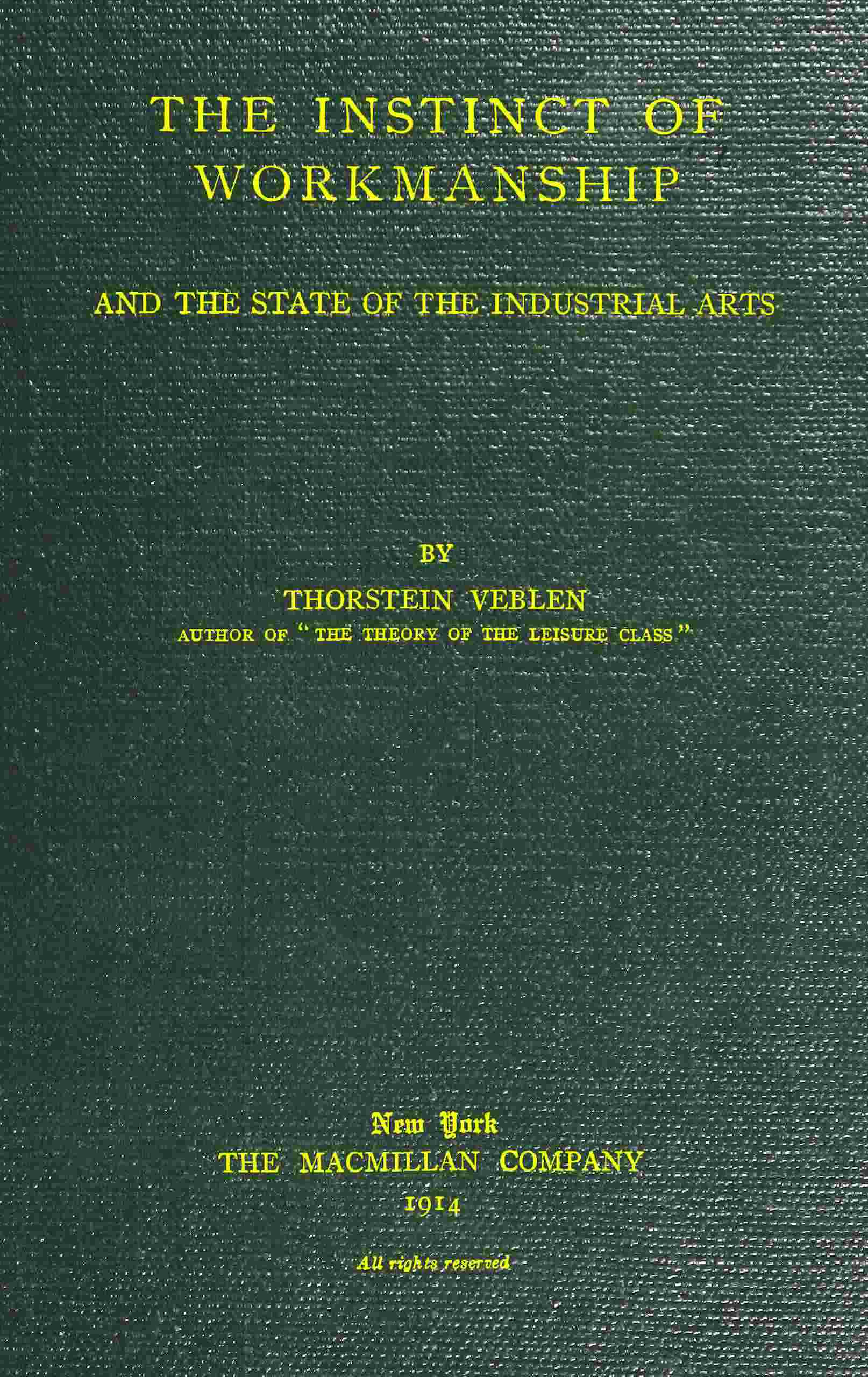
The Instinct of Workmanship, and the State of Industrial Arts
1914
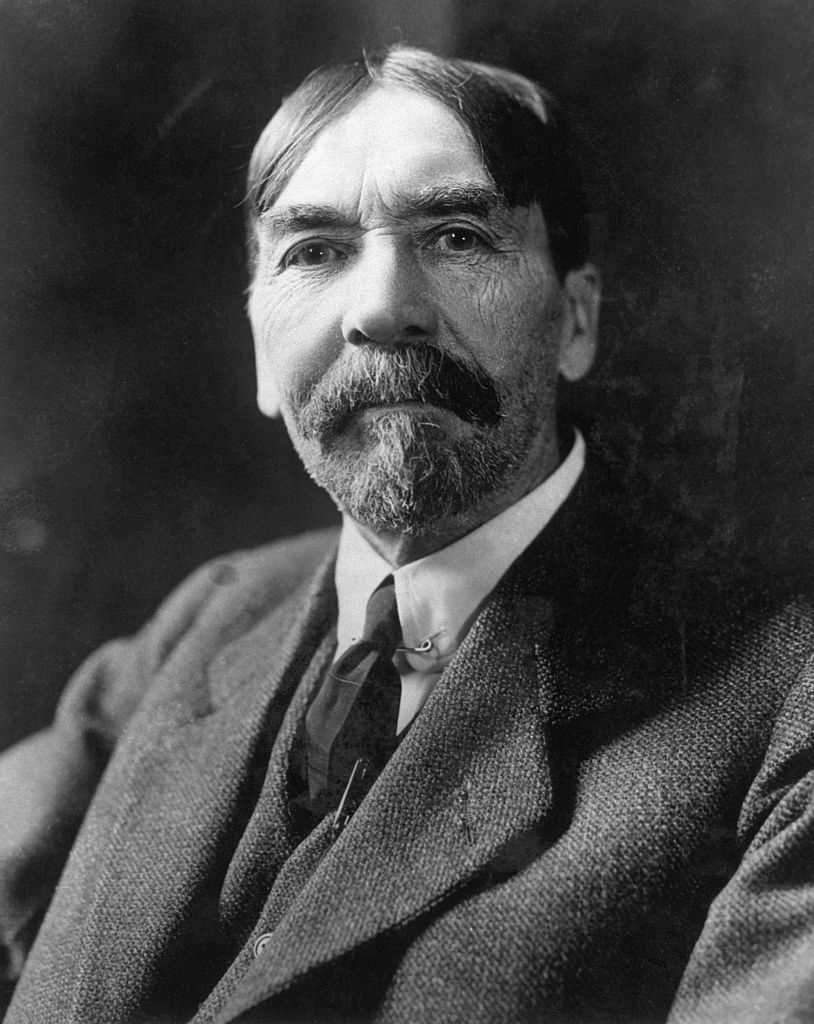
Before Thorstein Veblen coined 'conspicuous consumption,' he asked a deeper question: why do humans make things at all? This 1914 work, considered by scholars his most profound, traces the instinct of workmanship from primitive tool-making to modern industrial capitalism. Veblen argues that our innate drive to craft, build, and perfect our work shapes technology far more than mere utility does. He maps how early humans developed skills through playful experimentation, how these instincts became formalized into trades, and how industrial society either nurtures or corrupts this fundamental human impulse. The book culminates in a biting analysis of the 'predatory culture' where competitive ownership distorts craftsmanship into a tool of status and exploitation. Written in Veblen's characteristically dense but rewarding prose, this is the philosophical foundation for everything that made him famous: a sociologist who saw industrial civilization as an arena of instinctual forces, not rational markets. For readers who loved The Theory of the Leisure Class, this is where the deeper logic begins.
Editions
Link to this book
Add a free, dofollow link to Lex on your blog, forum, syllabus, or reading list.

<a href="https://lex-books.com/book/the-instinct-of-workmanship-and-the-state-of-industrial-arts-4583361d-ba13-414b-b1b8-862c4ecb5174"><img src="https://lex-books.com/badges/read-on-lex.svg" alt="Read The Instinct of Workmanship, and the State of Industrial Arts by Thorstein Veblen free on Lex" width="160" height="40"></a>[](https://lex-books.com/book/the-instinct-of-workmanship-and-the-state-of-industrial-arts-4583361d-ba13-414b-b1b8-862c4ecb5174)[url=https://lex-books.com/book/the-instinct-of-workmanship-and-the-state-of-industrial-arts-4583361d-ba13-414b-b1b8-862c4ecb5174][img]https://lex-books.com/badges/read-on-lex.svg[/img][/url]Read The Instinct of Workmanship, and the State of Industrial Arts by Thorstein Veblen free on Lex: https://lex-books.com/book/the-instinct-of-workmanship-and-the-state-of-industrial-arts-4583361d-ba13-414b-b1b8-862c4ecb5174Cite this book
Reading this edition for a paper or guide? Copy a citation.
Veblen, Thorstein. The Instinct of Workmanship, and the State of Industrial Arts. Lex, lex-books.com/book/the-instinct-of-workmanship-and-the-state-of-industrial-arts-4583361d-ba13-414b-b1b8-862c4ecb5174.Veblen, T. (1914). The Instinct of Workmanship, and the State of Industrial Arts. Lex. https://lex-books.com/book/the-instinct-of-workmanship-and-the-state-of-industrial-arts-4583361d-ba13-414b-b1b8-862c4ecb5174Veblen, Thorstein. The Instinct of Workmanship, and the State of Industrial Arts. Lex. https://lex-books.com/book/the-instinct-of-workmanship-and-the-state-of-industrial-arts-4583361d-ba13-414b-b1b8-862c4ecb5174.