
Thomson Jay Hudson
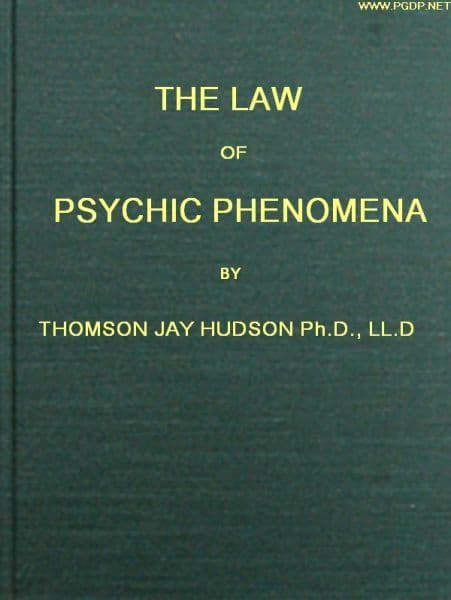
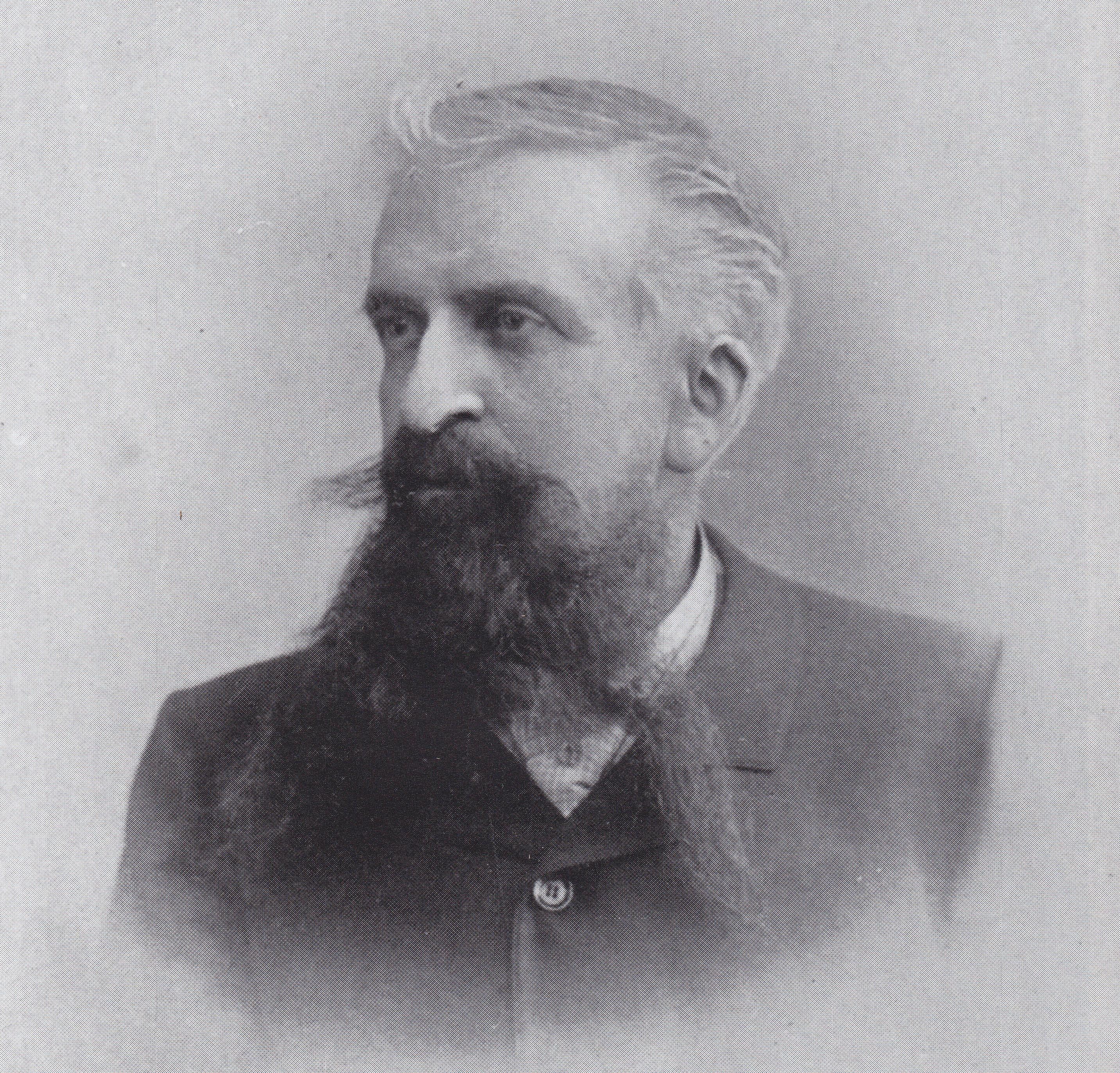
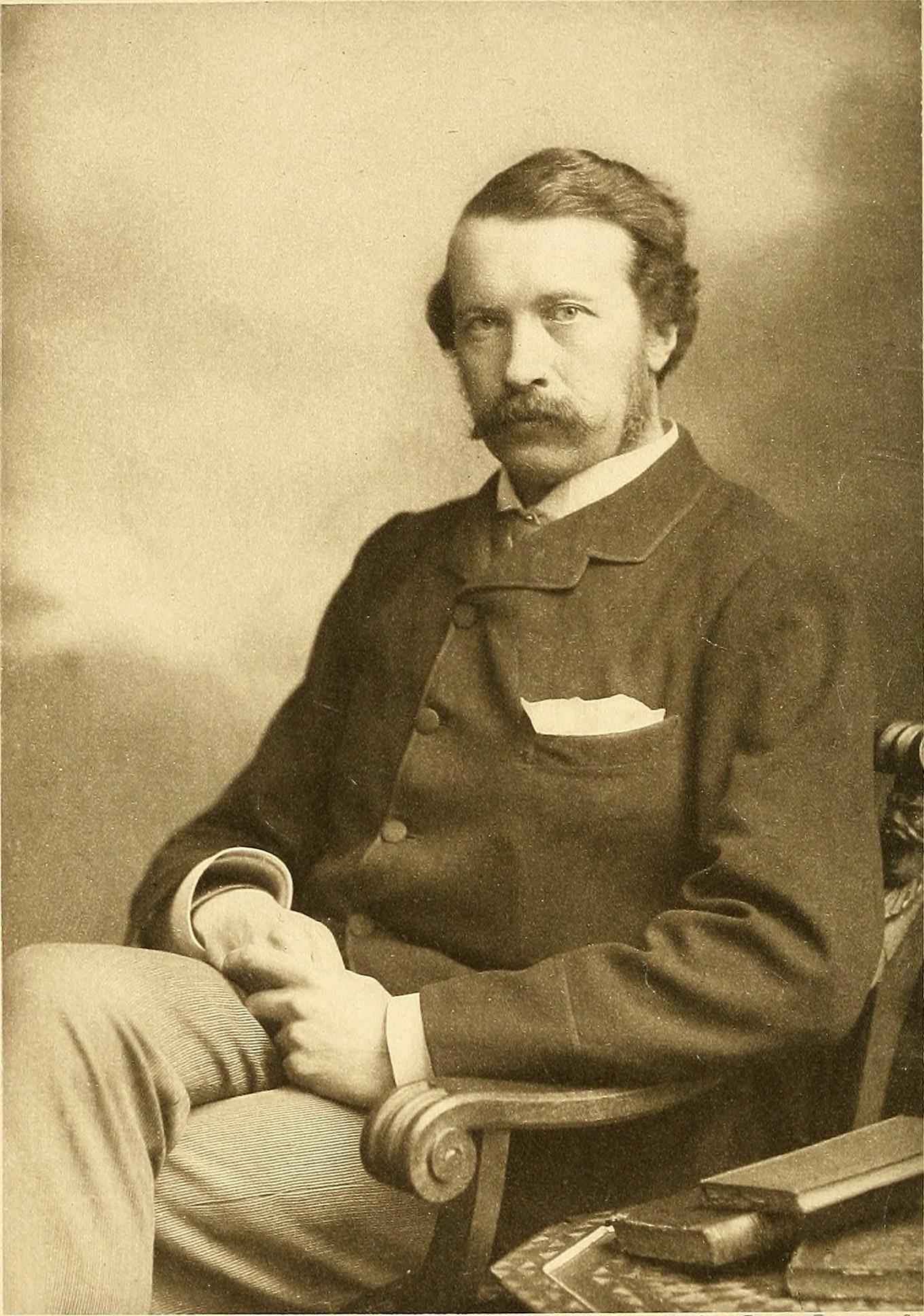
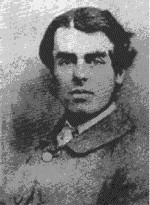
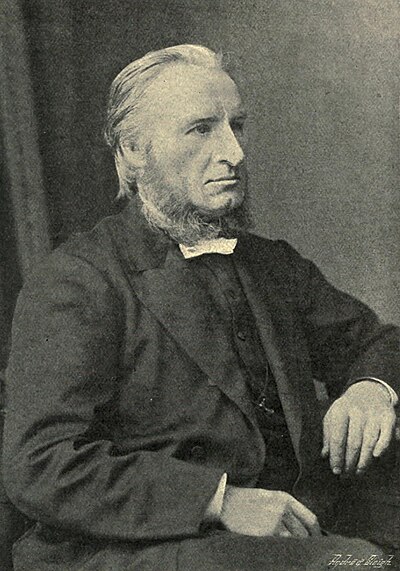
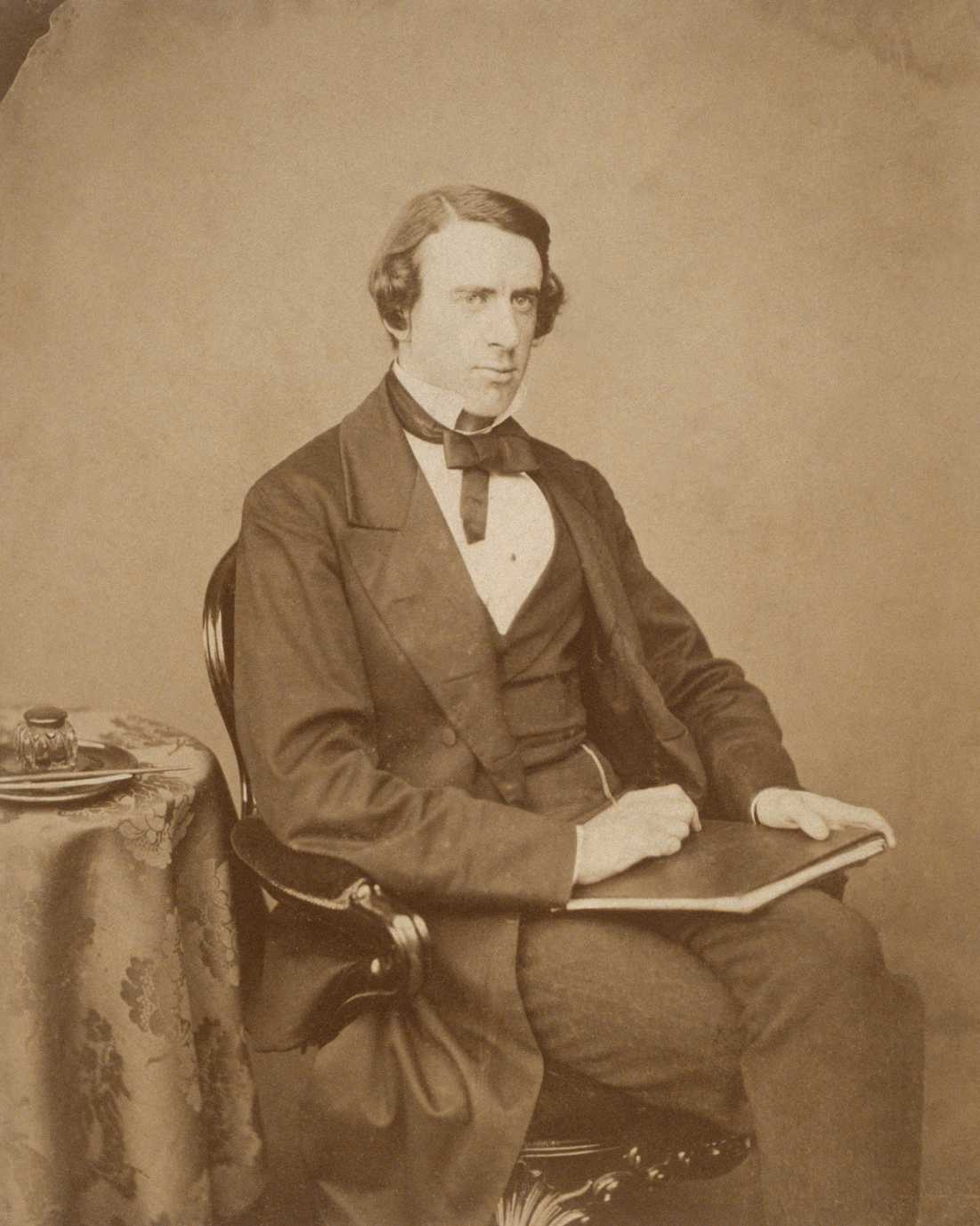
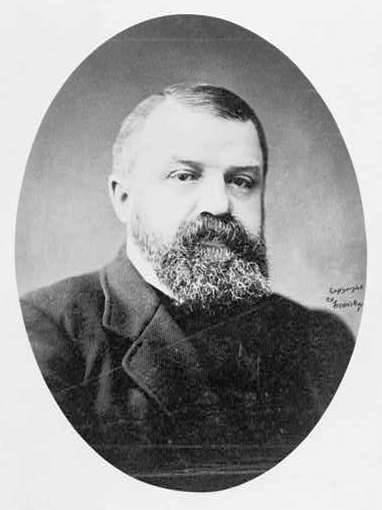
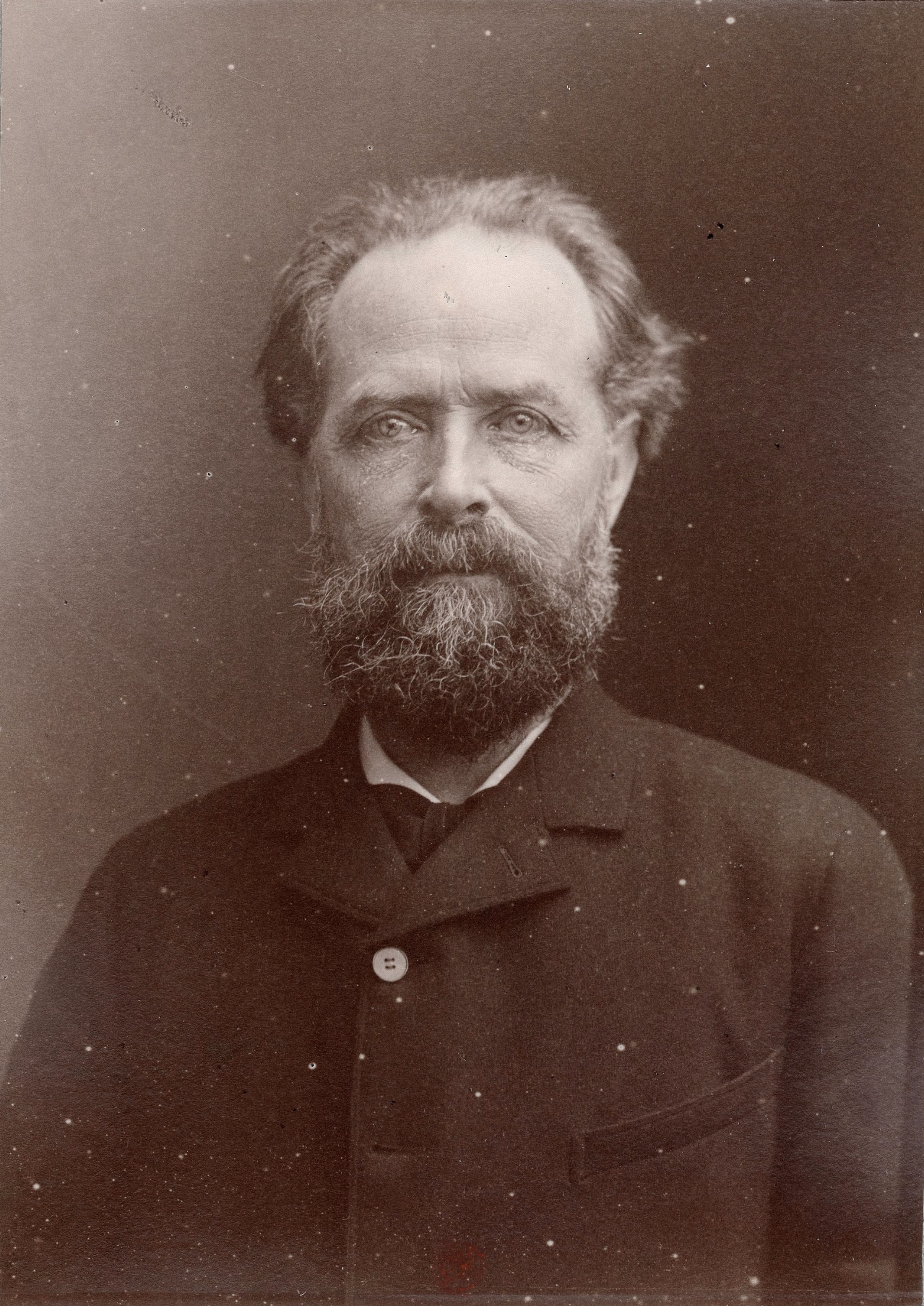
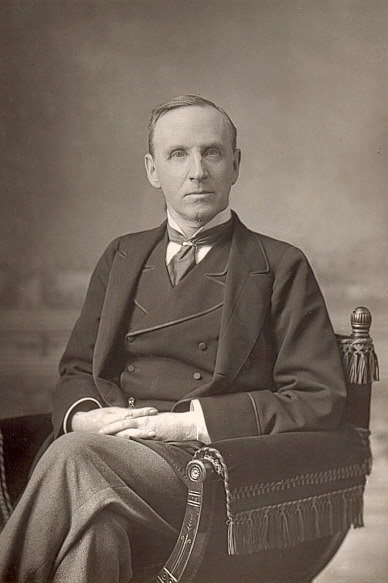
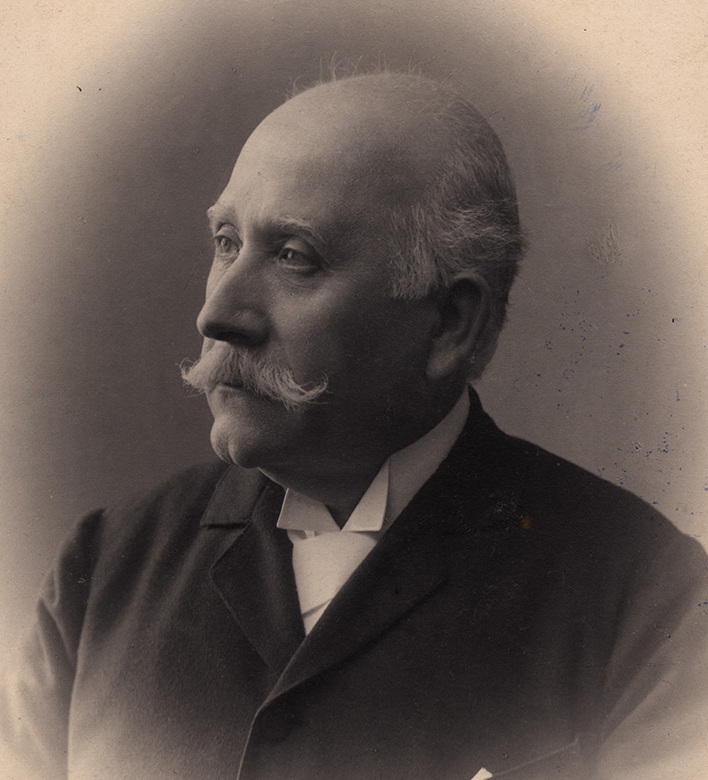
Thomson Jay Hudson was an American author and journalist, recognized for his influential work in psychical research and his role as a chief examiner at the US Patent Office. Born in 1834, Hudson became a prominent figure in the late 19th century, particularly known for his critical stance against Spiritualism. His most significant contribution to the field of psychical research came with the publication of his three laws of psychic phenomena in 1893, which sought to provide a scientific framework for understanding psychic experiences. These laws challenged the prevailing beliefs of the time and positioned Hudson as a key figure in the debate over the validity of Spiritualist claims. Hudson's writings not only reflected his skepticism towards Spiritualism but also aimed to demystify psychic phenomena through rational inquiry. His work contributed to the broader discourse on the intersection of science and the supernatural, influencing both contemporaries and future researchers. Through his advocacy for a more empirical approach to psychic studies, Hudson left a lasting legacy in the field, prompting further investigation into the nature of consciousness and the limits of human perception.
Books from the author


Link to this page
Add a free, dofollow link to Lex on your blog, forum, syllabus, or reading list.

<a href="https://lex-books.com/author/thomson-jay-hudson"><img src="https://lex-books.com/badges/read-on-lex.svg" alt="Thomson Jay Hudson on Lex" width="160" height="40"></a>[](https://lex-books.com/author/thomson-jay-hudson)[url=https://lex-books.com/author/thomson-jay-hudson][img]https://lex-books.com/badges/read-on-lex.svg[/img][/url]Thomson Jay Hudson on Lex: https://lex-books.com/author/thomson-jay-hudson