Thomas S. Childs
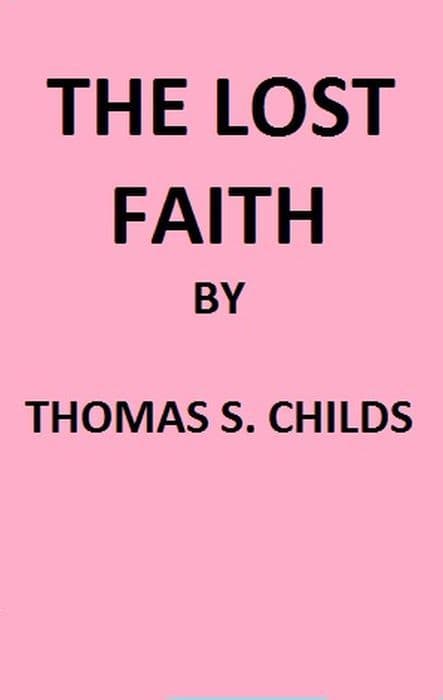
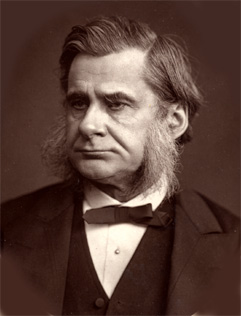
Thomas S. Childs was an American author and theologian known for his critical examination of religious texts and beliefs. His most notable work, 'The Lost Faith, and Difficulties of the Bible, as Tested by the Laws of Evidence,' reflects his analytical approach to scripture, challenging traditional interpretations and advocating for a rational understanding of faith. Childs's writings emerged during a period of significant religious and philosophical questioning in the United States, where the rise of scientific inquiry often clashed with established religious doctrines. In 'The Lost Faith,' Childs employed the principles of evidence and logic to address the complexities and contradictions found within the Bible, positioning himself within the broader context of 19th-century debates surrounding faith and reason. His work contributed to the discourse on the relationship between religion and science, making him a significant figure in the landscape of American religious thought. Although not widely known today, Childs's efforts to reconcile faith with rational inquiry reflect the evolving attitudes towards religion during his lifetime, leaving a legacy that resonates with ongoing discussions about belief and skepticism.
Famous Quotes
View all 11 quotes“Regardless of who leads it, the professional-class liberalism I have been describing in these pages seems to be forever traveling on a quest for some place of greater righteousness. It is always engaged in a search for some subject of overwhelming, noncontroversial goodness with which it can identify itself and under whose umbrella of virtue it can put across its self-interested class program.There have been many other virtue-objects over the years: people and ideas whose surplus goodness could be extracted for deployment elsewhere. The great virtue-rush of the 1990s, for example, was focused on children, then thought to be the last word in overwhelming, noncontroversial goodness. Who could be against kids? No one, of course, and so the race was on to justify whatever your program happened to be in their name. In the course of Hillary Clinton’s 1996 book, It Takes a Village, the favorite rationale of the day”
“The closest analogue to a sociopath’s love is probably the love of a child: intense, accepting, selfish. And finally, like a child, the sociopath will be extremely loyal. A sociopath will never put you above himself, but if you’re worth it to him he will readily put you above all others. I confirmed this with my friend, that with regard to being friends with a sociopath, “the pros outweigh the cons.” This is not to say that my loved ones do not know who I am; most of them know me intimately and are well aware of the particular attributes that set me apart from them and most of humanity. In fact, many of the people dearest to me are extreme empaths, individuals who”
“Yet there was a momentary hint of blue sky, and even this bit of light was enough to release a flash of diamonds across the wide landscape, so oddly disfigured by its snowy adventure. Usually the snow stopped at that hour of the day, as if for a quick survey of what had been achieved thus far; the rare days of sunshine seemed to serve much the same purpose”
Books from the author





Link to this page
Add a free, dofollow link to Lex on your blog, forum, syllabus, or reading list.

<a href="https://lex-books.com/author/thomas-s-childs"><img src="https://lex-books.com/badges/read-on-lex.svg" alt="Thomas S. Childs on Lex" width="160" height="40"></a>[](https://lex-books.com/author/thomas-s-childs)[url=https://lex-books.com/author/thomas-s-childs][img]https://lex-books.com/badges/read-on-lex.svg[/img][/url]Thomas S. Childs on Lex: https://lex-books.com/author/thomas-s-childs