
Thomas Kearns
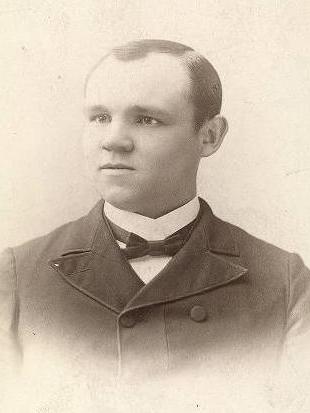
Thomas Kearns was an influential American businessman and politician known for his significant contributions to the mining, banking, and railroad industries in the early 20th century. Born in 1862, Kearns made his fortune in the mining sector, particularly through his ownership of the famous Silver King Mine in Utah. His success in these ventures allowed him to expand his interests into banking and newspapers, establishing a powerful business empire that played a pivotal role in the economic development of the region. Kearns served as a U.S. Senator from Utah from 1901 to 1905, representing a state with a predominantly Mormon population while being a Catholic himself. His tenure in the Senate was marked by his efforts to advocate for the interests of Utah and the West, as well as his involvement in various legislative initiatives. Kearns's legacy is not only tied to his business acumen but also to his political influence during a transformative period in American history, making him a notable figure in the landscape of early 20th-century American politics and industry.
Famous Quotes
View all 4 quotes“This is the most extraordinary collection of talent, of human knowledge, that has ever been gathered together at the White House, with the possible exception of when Thomas Jefferson dined alone.””
“A human being lives out not only his personal life as an individual,” remarked Thomas Mann in The Magic Mountain, “but also, consciously or subconsciously, the lives of his epoch and his contemporaries.””
“personage was formally identified upon entrance: Acclaimed eighty-seven-year-old poet Robert Frost; father of antibiotics Selman Waksman; literature Nobel Prize winner Pearl Buck; astronaut John Glenn; immunologist Thomas Weller, whose virus research enabled the polio vaccine; J. Robert Oppenheimer, Manhattan Project director; celebrated novelists James Baldwin and William Styron”
Books from the author


Link to this page
Add a free, dofollow link to Lex on your blog, forum, syllabus, or reading list.

<a href="https://lex-books.com/author/thomas-kearns"><img src="https://lex-books.com/badges/read-on-lex.svg" alt="Thomas Kearns on Lex" width="160" height="40"></a>[](https://lex-books.com/author/thomas-kearns)[url=https://lex-books.com/author/thomas-kearns][img]https://lex-books.com/badges/read-on-lex.svg[/img][/url]Thomas Kearns on Lex: https://lex-books.com/author/thomas-kearns