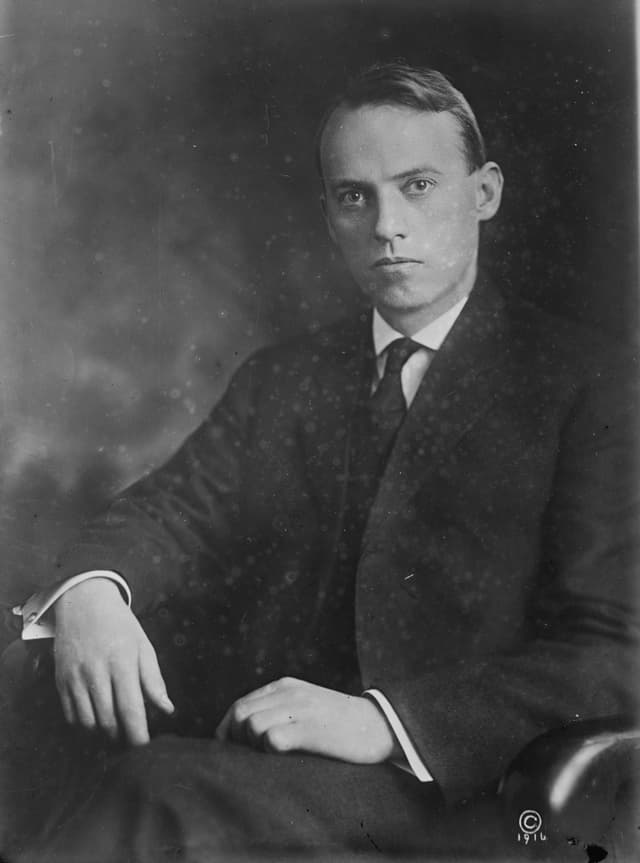
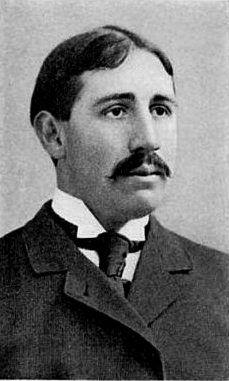
Scott Nearing
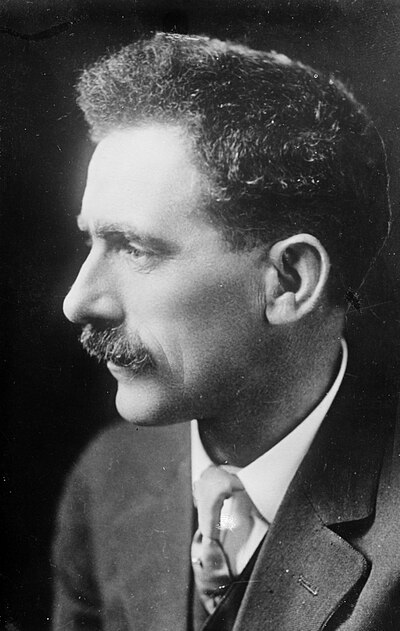
Scott Nearing was an influential American radical economist, educator, and political activist known for his commitment to pacifism, vegetarianism, and simple living. Born in 1883, Nearing's progressive views led to his dismissal from the Wharton School in 1915, marking him as a prominent figure in the American Left. His outspoken opposition to U.S. involvement in World War I resulted in prosecution under the Espionage Act, a case that highlighted his dedication to his principles and ultimately reinforced his status as a leading leftist intellectual. Throughout his career, he was associated with both the Socialist and Communist Parties, advocating for social change and economic reform. From the Great Depression onward, Nearing and his wife, Helen, embraced a self-sufficient lifestyle, which they documented in their influential book, "Living the Good Life: How to Live Simply and Sanely in a Troubled World," published in 1954. This work not only reflected their personal philosophy but also served as a guide for those seeking to live more sustainably and meaningfully. Nearing's legacy endures through his writings and activism, which continue to inspire movements for social justice and environmental sustainability.
Famous Quotes
View all 3 quotes“Under a government which imprisons any unjustly, the true place for a just man is also a prison.”
“Anything that squarely challenges The American Way or western civilization is suspect. After the War of 1914-1918, censorship, secret police and ‘voluntary discipline in the public interest’ took over. Step by step, year by year, war by war, the interests of big business were synchronized with the public interests until big business made the policy decisions which determined what was good for the people to hear, see and read – therefore good for the best interests of the United States Oligarchy and the American Empire.”
“War drags human beings from their tasks of building and improving, and pushes them en masse into the category of destroyers and killers.”
Books from the author


Link to this page
Add a free, dofollow link to Lex on your blog, forum, syllabus, or reading list.

<a href="https://lex-books.com/author/scott-nearing"><img src="https://lex-books.com/badges/read-on-lex.svg" alt="Scott Nearing on Lex" width="160" height="40"></a>[](https://lex-books.com/author/scott-nearing)[url=https://lex-books.com/author/scott-nearing][img]https://lex-books.com/badges/read-on-lex.svg[/img][/url]Scott Nearing on Lex: https://lex-books.com/author/scott-nearing