L. Oppenheim
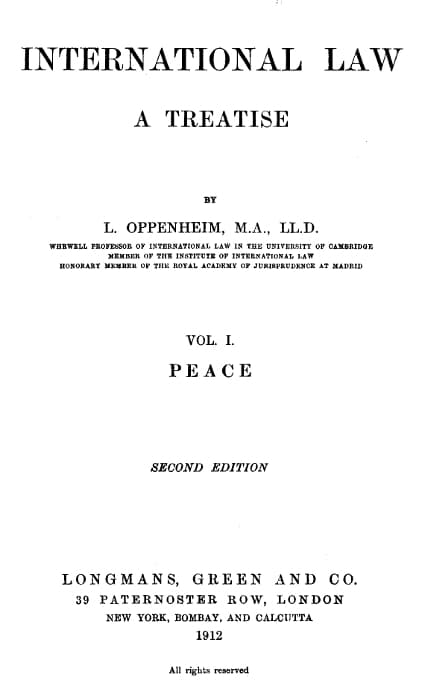
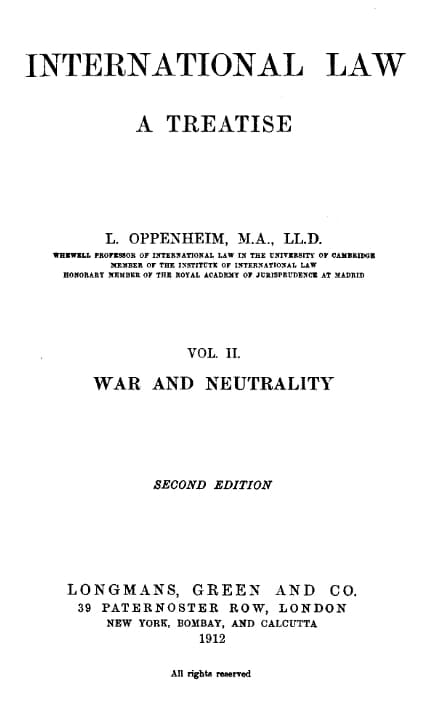
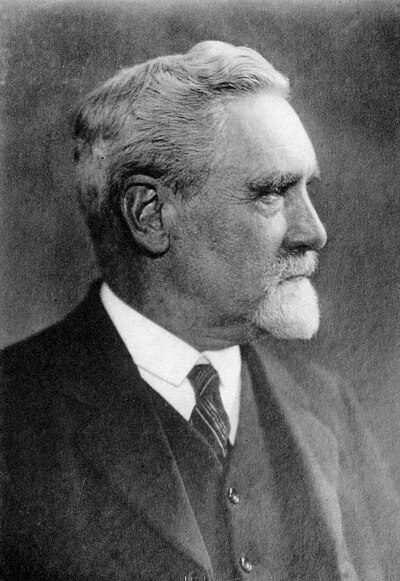
L. Oppenheim was a prominent legal scholar known for his foundational contributions to international law in the late 19th and early 20th centuries. Born in 1858, he dedicated his career to the study and teaching of legal principles governing the relationships between nations. His most significant works, 'International Law: A Treatise' (in two volumes), established a comprehensive framework for understanding the legalities of peace, war, and neutrality, making him a pivotal figure in the field. Oppenheim's treatise was among the first systematic analyses of international law, influencing both academic discourse and practical applications in international relations. In addition to his treatise, Oppenheim addressed contemporary issues of his time, such as the conflict surrounding the Panama Canal between Great Britain and the United States, and the challenges faced by the League of Nations. His lectures on the League of Nations highlighted the complexities of international governance and the necessity for cooperative frameworks to prevent conflict. Oppenheim's work not only contributed to legal scholarship but also laid the groundwork for future developments in international law, emphasizing the importance of legal standards in maintaining global peace and order. He passed away in 1919, leaving a lasting legacy that continues to inform the study and practice of international law today.
Books from the author









Link to this page
Add a free, dofollow link to Lex on your blog, forum, syllabus, or reading list.

<a href="https://lex-books.com/author/l-oppenheim"><img src="https://lex-books.com/badges/read-on-lex.svg" alt="L. Oppenheim on Lex" width="160" height="40"></a>[](https://lex-books.com/author/l-oppenheim)[url=https://lex-books.com/author/l-oppenheim][img]https://lex-books.com/badges/read-on-lex.svg[/img][/url]L. Oppenheim on Lex: https://lex-books.com/author/l-oppenheim