
Lucy Foster Madison
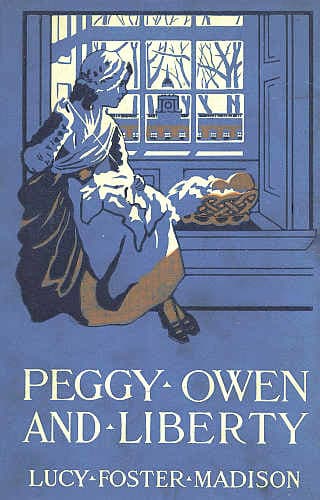
Lucy Foster Madison was an American novelist and educator, known for her contributions to children's literature in the early 20th century. Born in Kirksville, Missouri, she faced significant personal challenges during her adolescence, including the loss of her family members, which compelled her to take on the responsibility of raising her younger sisters. Madison pursued a career in teaching, working in Louisiana and Kansas City, Missouri, before marrying Winfield Scott Madison in 1890. Her writing career began in earnest after she entered a short story competition in 1893, where she secured second place, igniting her passion for storytelling. Madison became particularly recognized for her series of stories featuring the character Peggy Owens, which resonated with young readers and contributed to the genre of girls' literature. Her works often reflected themes of resilience and personal growth, appealing to the aspirations of her audience. In addition to her novels and short stories, she compiled various Chautauqua assemblies, further showcasing her commitment to education and literature. Madison spent her later years on a farm in New York, where she continued to write until her death in 1932. Her legacy endures through her influence on children's literature and her ability to inspire young girls through her engaging narratives.
Famous Quotes
View all 3 quotes“She was a woman in the age of chivalry, when women were supposed to be the objects of a kind of worship, every knight being sworn to succor and help them in need and trouble. And the “Chivalry of England shamefully used and destroyed her; the Chivalry of France deserted and sold her.” [27]”
““Whatsoever thing confronted her, whatsoever problem encountered her, whatsoever manners became her in novel situations, she understood in a moment. She solved the problem, she assumed the manners, she spoke and acted as the need of the moment required.” Andrew Lang, “The Maid of France.””
“There were blows to be struck there that only she could strike. She must go to Compiègne. Jeanne was but a young girl. She could not realize that her allotted time was over. It is hard for one to accept the fact one is not needed; that everything can go on as usual without one, and Jeanne was very young.”
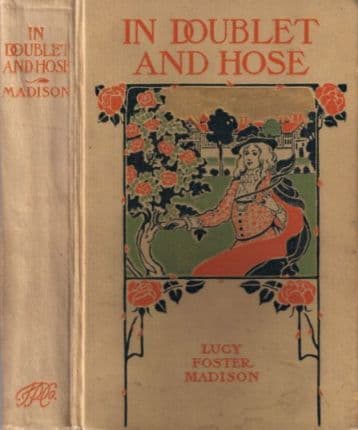
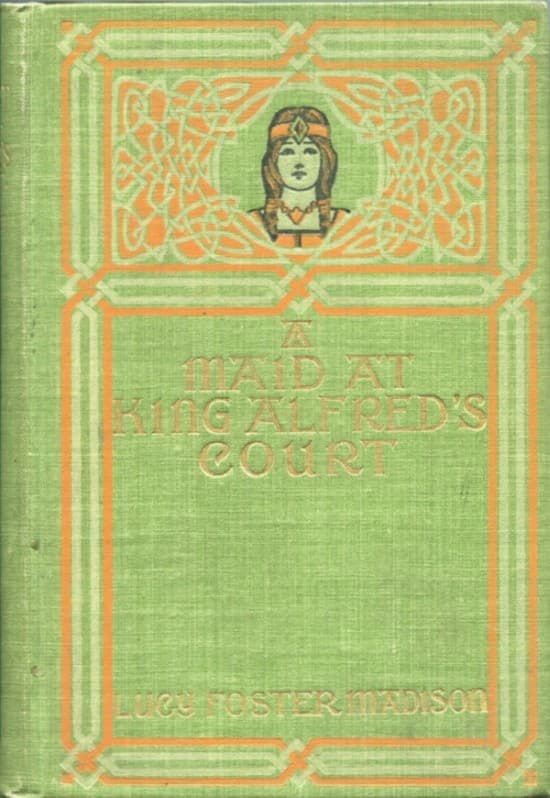
Books from the author



Link to this page
Add a free, dofollow link to Lex on your blog, forum, syllabus, or reading list.

<a href="https://lex-books.com/author/lucy-foster-madison"><img src="https://lex-books.com/badges/read-on-lex.svg" alt="Lucy Foster Madison on Lex" width="160" height="40"></a>[](https://lex-books.com/author/lucy-foster-madison)[url=https://lex-books.com/author/lucy-foster-madison][img]https://lex-books.com/badges/read-on-lex.svg[/img][/url]Lucy Foster Madison on Lex: https://lex-books.com/author/lucy-foster-madison