William Wood
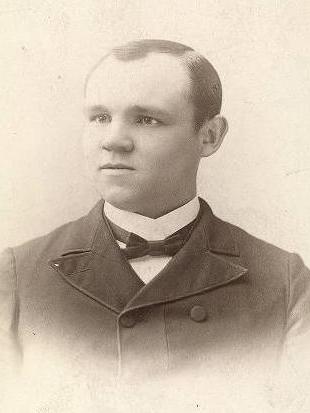
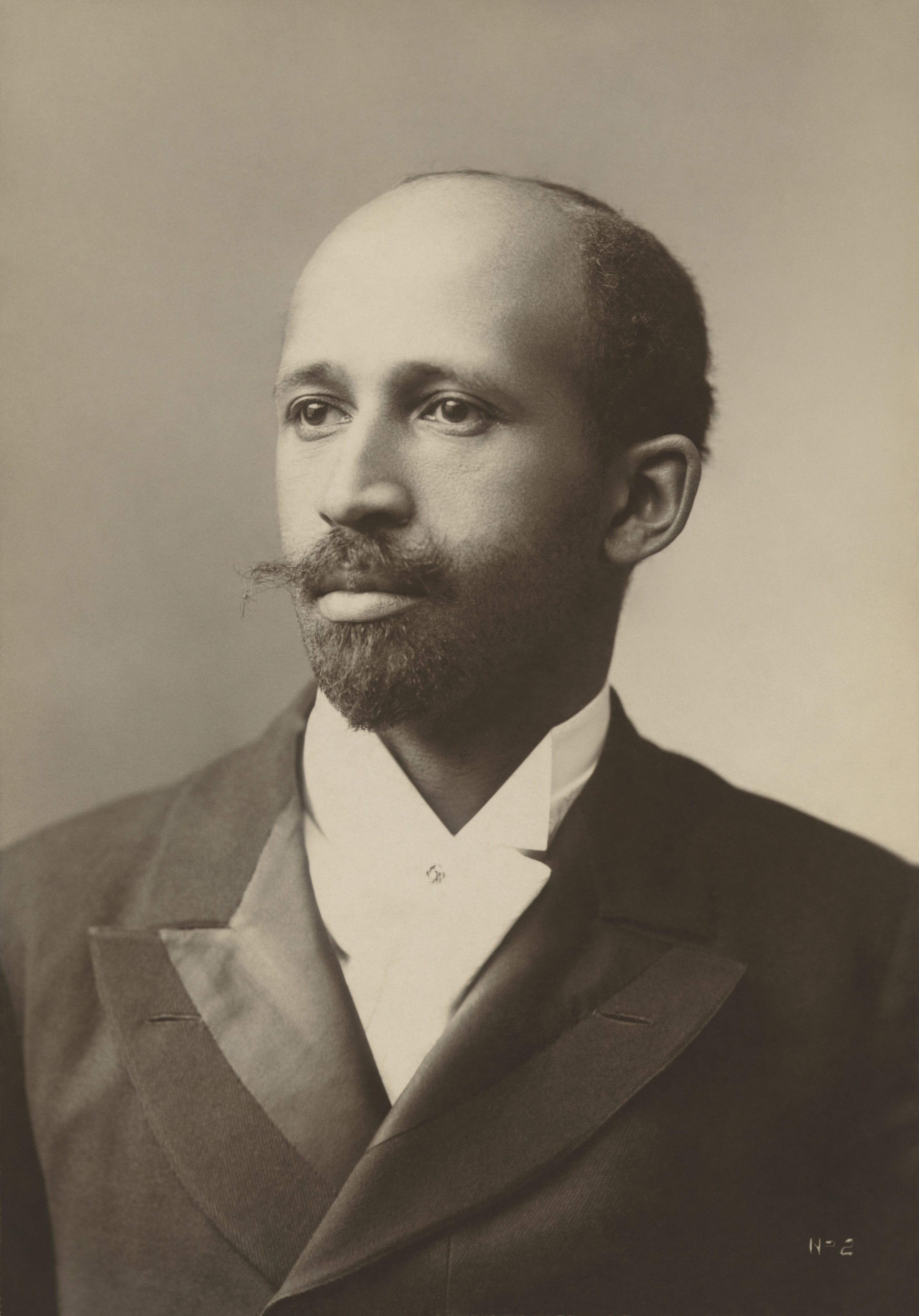
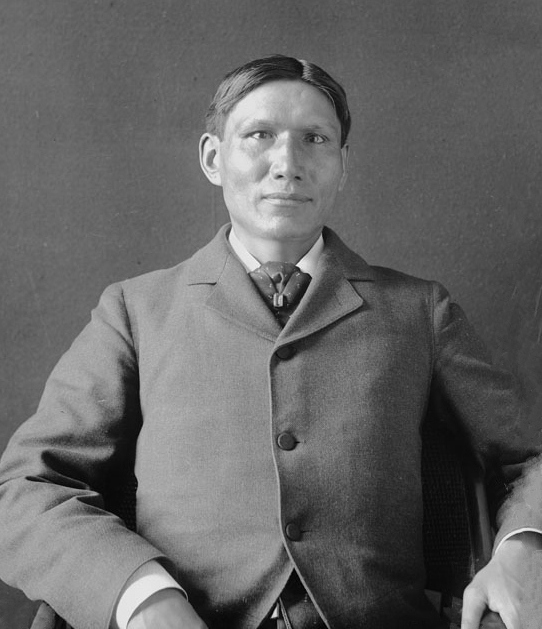
William Wood was an English novelist and playwright, known for his contributions to early 20th-century literature. His works often explored themes of social change and the complexities of human relationships. Wood's most notable novels include "The Moth" and "The Queen's Messenger," which reflect his keen observations of society and the human condition. His writing style is characterized by a blend of realism and romanticism, capturing the nuances of everyday life while also delving into deeper emotional currents. In addition to his novels, Wood was also a prolific playwright, with several of his plays being performed in London and other major cities. His ability to craft compelling narratives and relatable characters earned him a place among the notable literary figures of his time. Although not as widely recognized today, Wood's works contributed to the evolving landscape of English literature during the early 20th century, influencing contemporaries and paving the way for future writers who sought to address social issues through their art.
Famous Quotes
View all 13 quotes“God spreads the heavens above us like great wingsAnd gives a little round of deeds and days,And then come the wrecked angels and set snares,And bait them with light hopes and heavy dreams,Until the heart is puffed with pride and goesHalf shuddering and half joyous from God's peace;And it was some wrecked angel, blind with tears,Who flattered Edane's heart with merry words.Come, faeries, take me out of this dull house!Let me have all the freedom I have lost;Work when I will and idle when I will!Faeries, come take me out of this dull world,For I would ride with you upon the wind,Run on the top of the dishevelled tide,And dance upon the mountains like a flame. I would take the worldAnd break it into pieces in my handsTo see you smile watching it crumble away. Once a fly dancing in a beam of the sun,Or the light wind blowing out of the dawn,Could fill your heart with dreams none other knew,But now the indissoluble sacramentHas mixed your heart that was most proud and coldWith my warm heart for ever; the sun and moonMust fade and heaven be rolled up like a scrollBut your white spirit still walk by my spirit. When winter sleep is abroad my hair grows thin,My feet unsteady. When the leaves awakenMy mother carries me in her golden arms;I'll soon put on my womanhood and marryThe spirits of wood and water, but who can tellWhen I was born for the first time? The wind blows out of the gates of the day,The wind blows over the lonely of heart,And the lonely of heart is withered away;While the faeries dance in a place apart,Shaking their milk-white feet in a ring,Tossing their milk-white arms in the air;For they hear the wind laugh and murmur and singOf a land where even the old are fair,And even the wise are merry of tongue;But I heard a reed of Coolaney say--When the wind has laughed and murmured and sung,The lonely of heart is withered away.””
“It is not night when I do see your face,Therefore I think I am not in the night;Nor doth this wood lack worlds of company,For you in my respect are all the world:Then how can it be said I am alone,When all the world is here to look on me?””
“It's all now you see. Yesterday won't be over until tomorrow and tomorrow began ten thousand years ago. For every Southern boy fourteen years old, not once but whenever he wants it, there is the instant when it's still not yet two o'clock on that July afternoon in 1863, the brigades are in position behind the rail fence, the guns are laid and ready in the woods and the furled flags are already loosened to break out and Pickett himself with his long oiled ringlets and his hat in one hand probably and his sword in the other looking up the hill waiting for Longstreet to give the word and it's all in the balance, it hasn't happened yet, it hasn't even begun yet, it not only hasn't begun yet but there is still time for it not to begin against that position and those circumstances which made more men than Garnett and Kemper and Armistead and Wilcox look grave yet it's going to begin, we all know that, we have come too far with too much at stake and that moment doesn't need even a fourteen-year-old boy to think This time. Maybe this time with all this much to lose than all this much to gain: Pennsylvania, Maryland, the world, the golden dome of Washington itself to crown with desperate and unbelievable victory the desperate gamble, the cast made two years ago; or to anyone who ever sailed a skiff under a quilt sail, the moment in 1492 when somebody thought This is it: the absolute edge of no return, to turn back now and make home or sail irrevocably on and either find land or plunge over the world's roaring rim.””
Books from the author


Link to this page
Add a free, dofollow link to Lex on your blog, forum, syllabus, or reading list.

<a href="https://lex-books.com/author/william-wood"><img src="https://lex-books.com/badges/read-on-lex.svg" alt="William Wood on Lex" width="160" height="40"></a>[](https://lex-books.com/author/william-wood)[url=https://lex-books.com/author/william-wood][img]https://lex-books.com/badges/read-on-lex.svg[/img][/url]William Wood on Lex: https://lex-books.com/author/william-wood