Thomas Baldwin
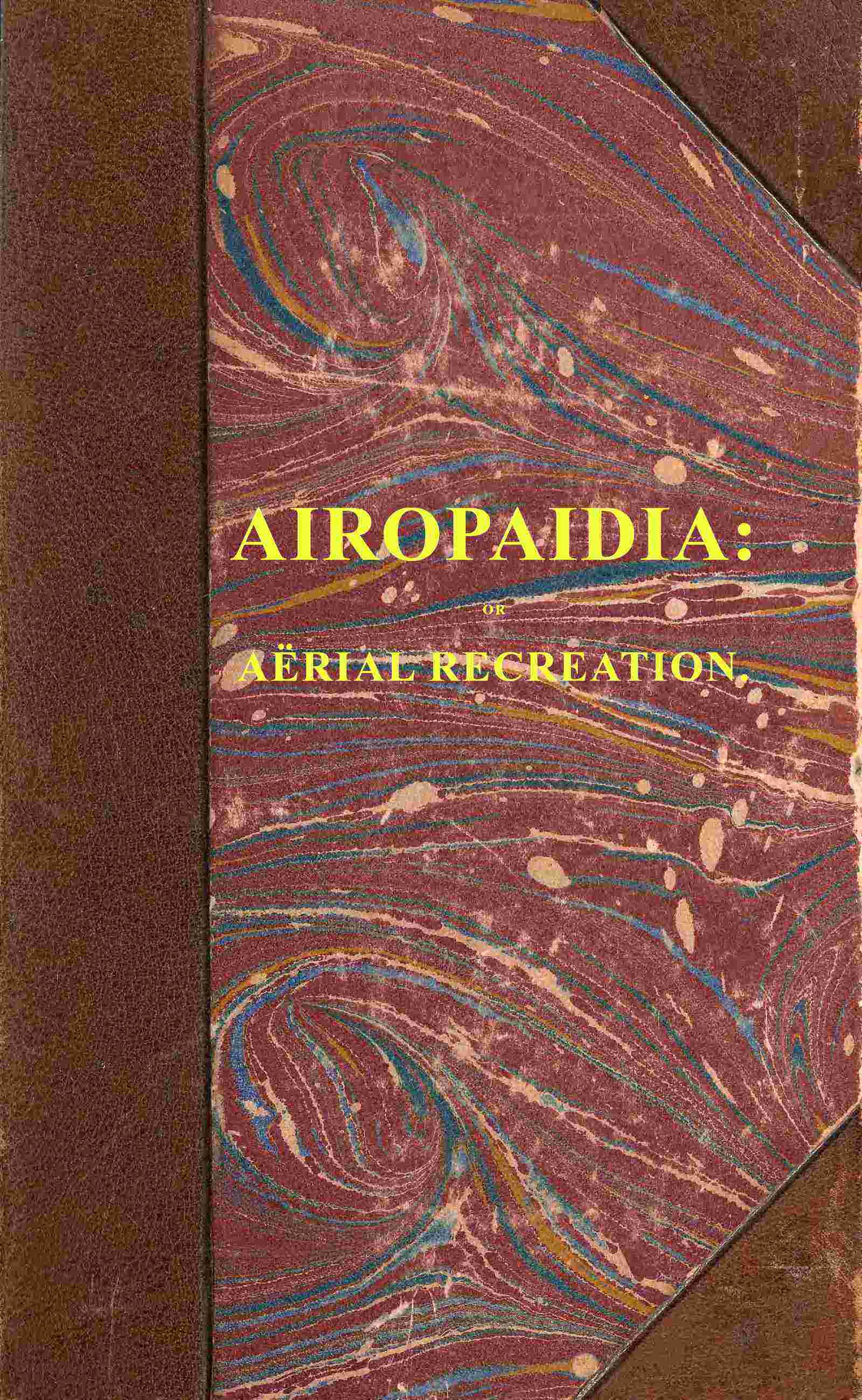
Thomas Baldwin was an English author and theologian known for his contributions to both aeronautics and religious discourse in the late 18th century. His most notable work, "Airopaidia," published in 1785, detailed a balloon excursion from Chester, providing a narrative of the experience alongside practical insights into balloon construction and aeronautical navigation. This work not only captured the public's imagination during the early days of ballooning but also contributed to the scientific understanding of flight, making Baldwin a significant figure in the history of aviation literature. In addition to his explorations in aeronautics, Baldwin was a prominent voice in the Baptist community. His theological work, "The Baptism of Believers Only, and the Particular Communion of the Baptist Churches, Explained," articulated the principles of believer's baptism and the distinct practices of Baptist congregations. Through this text, Baldwin sought to clarify and defend the beliefs of the Baptist faith, contributing to the broader discourse on religious practices during a time of significant theological debate in England. Baldwin's dual legacy in both aeronautics and religion illustrates the diverse interests and intellectual pursuits of the Enlightenment era, marking him as a noteworthy figure in both fields.
Famous Quotes
View all 6 quotes“Negroes are Americans and their destiny is the country’s destiny. They have no other experience besides their experience on this continent and it is an experience which cannot be rejected, which yet remains to be embraced. If, as I believe, no American Negro exists who does not have his private Bigger Thomas living in the skull, then what most significantly fails to be illuminated here is the paradoxical adjustment which is perpetually made, the Negro being compelled to accept the fact that this dark and dangerous and unloved stranger is part of himself forever. Only this recognition sets him in any wise free and it is this, this necessary ability to contain and even, in the most honorable sense of the word, to exploit the “nigger,” which lends to Negro life its high element of the ironic and which causes the most well-meaning of their American critics to make such exhilarating errors when attempting to understand them.””
“In my opinion any activity during which you can enjoy a beverage is not a sport. It is a party.””
“Where complaints are made of the soldiers, it almost always turns out that the women have insulted them most grossly, swearing at them, and the like. One unpleasant old Dutch woman came in, bursting with wrath, and told the whole narrative of her blameless life, diversified with sobs:”
Books from the author


Link to this page
Add a free, dofollow link to Lex on your blog, forum, syllabus, or reading list.

<a href="https://lex-books.com/author/thomas-baldwin"><img src="https://lex-books.com/badges/read-on-lex.svg" alt="Thomas Baldwin on Lex" width="160" height="40"></a>[](https://lex-books.com/author/thomas-baldwin)[url=https://lex-books.com/author/thomas-baldwin][img]https://lex-books.com/badges/read-on-lex.svg[/img][/url]Thomas Baldwin on Lex: https://lex-books.com/author/thomas-baldwin