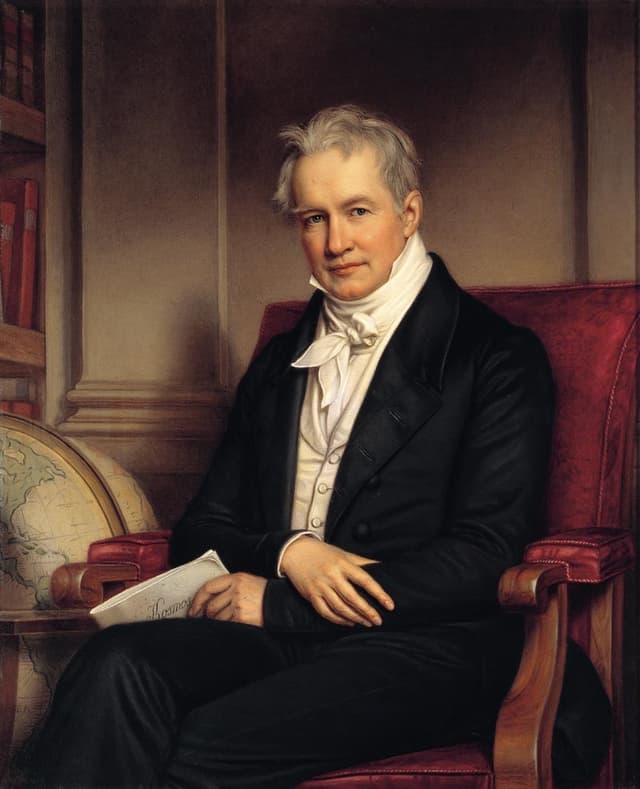
Alexander von Humboldt
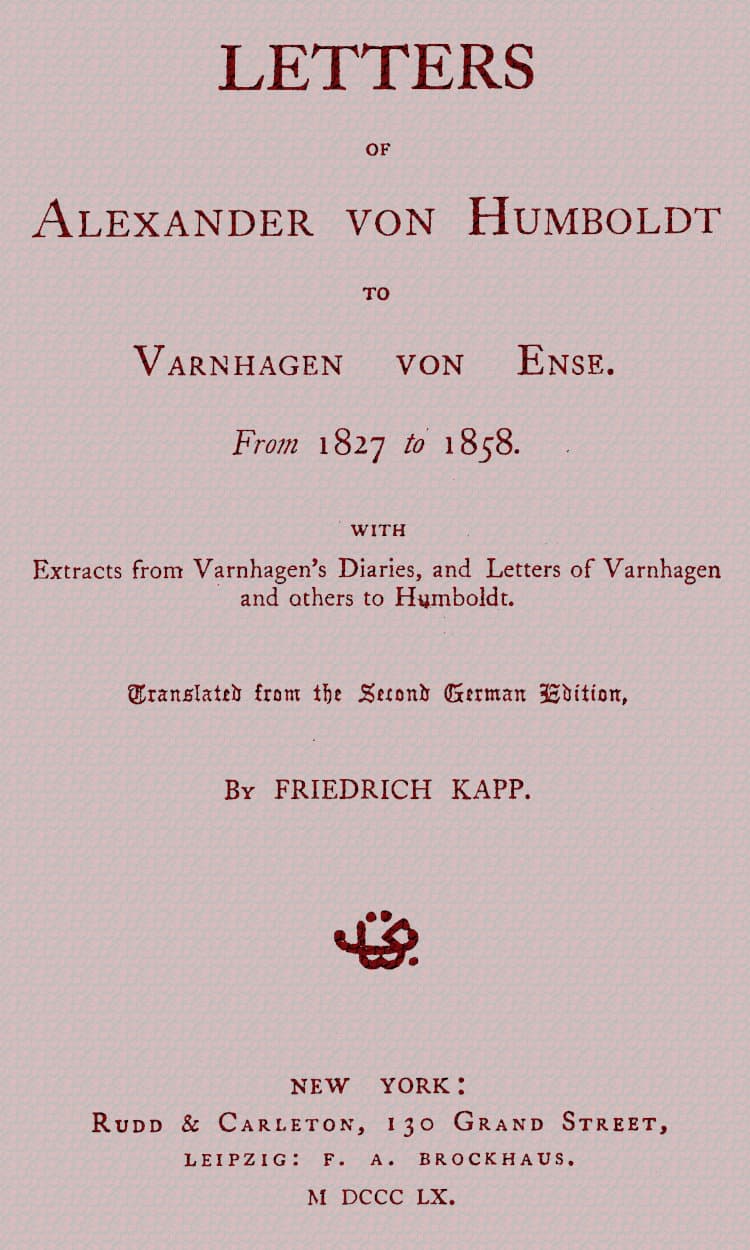
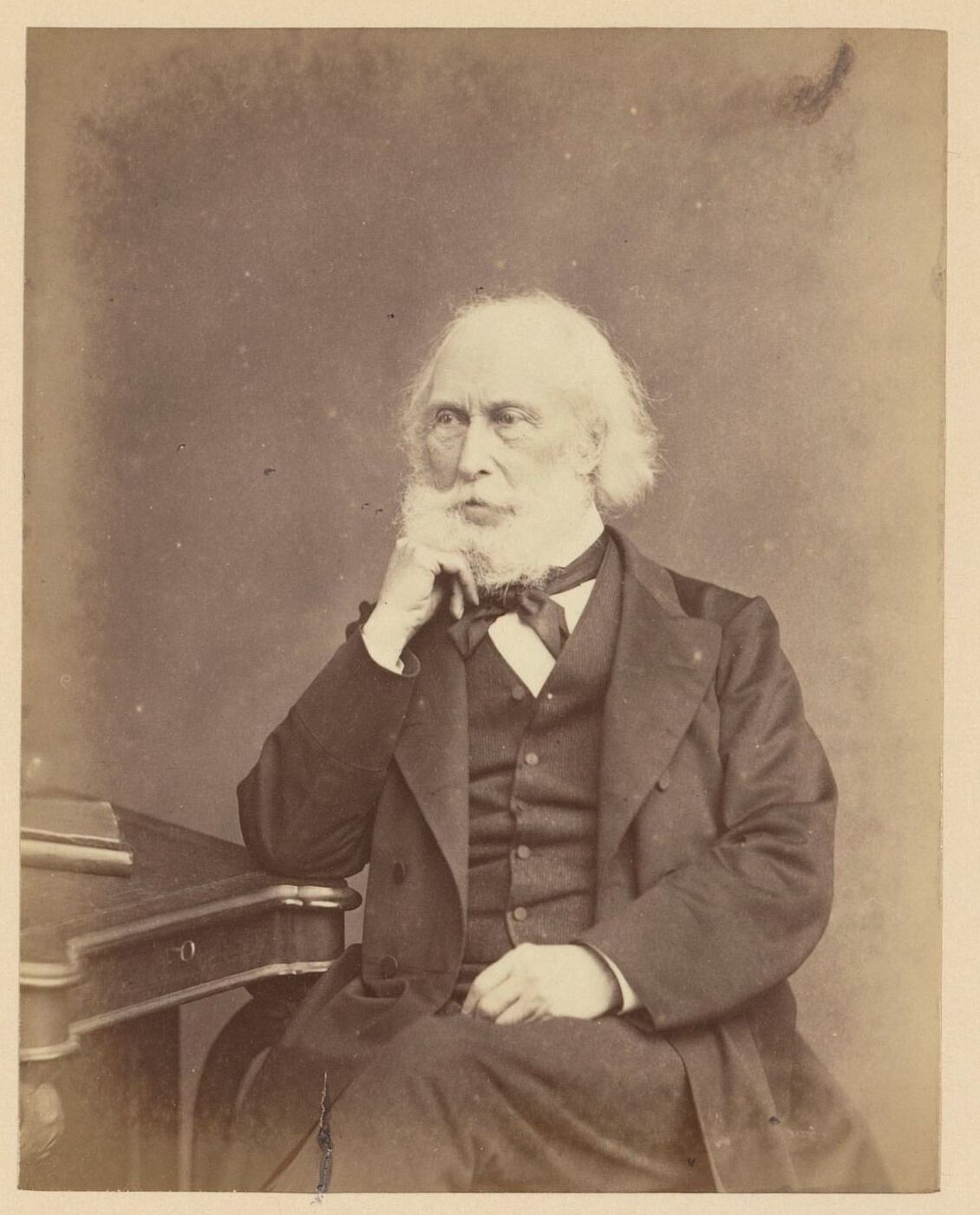
Alexander von Humboldt was a German polymath whose contributions to geography, natural science, and philosophy profoundly shaped modern scientific thought. Born into a prominent family, he was the younger brother of philosopher Wilhelm von Humboldt. Humboldt's groundbreaking explorations in the Americas from 1799 to 1804 marked a pivotal moment in the scientific understanding of the continent, as he and his companion Aimé Bonpland traversed uncharted territories, documenting their findings with meticulous detail. His ascent of Chimborazo in Ecuador, where he reached an altitude of 19,286 feet, was a remarkable achievement that underscored his adventurous spirit and scientific rigor. Humboldt's influential works, particularly his multivolume treatise 'Kosmos,' sought to integrate diverse scientific disciplines and promote a holistic understanding of nature. He is credited with laying the foundations of biogeography and modern geography, establishing them as independent scientific fields. His advocacy for systematic geophysical measurement also paved the way for advancements in meteorology and geomagnetism. Humboldt's insights into the interconnectedness of ecosystems and the impact of human activity on climate change have left a lasting legacy, influencing both environmental science and Romantic philosophy, and earning him recognition as a pioneer of ecological thought.
Famous Quotes
View all 3 quotes“There are three stages of scientific discovery: first people deny it is true; then they deny it is important; finally they credit the wrong person.”
“Die gefährlichste Weltanschauung ist die Weltanschauung derer, die die Welt nie angeschaut haben. (The most dangerous worldview is the worldview of those who have not viewed the world)”
“The most dangerous worldviews are the worldviews of those who have never viewed the world.”
Books from the author


Link to this page
Add a free, dofollow link to Lex on your blog, forum, syllabus, or reading list.

<a href="https://lex-books.com/author/alexander-von-humboldt"><img src="https://lex-books.com/badges/read-on-lex.svg" alt="Alexander von Humboldt on Lex" width="160" height="40"></a>[](https://lex-books.com/author/alexander-von-humboldt)[url=https://lex-books.com/author/alexander-von-humboldt][img]https://lex-books.com/badges/read-on-lex.svg[/img][/url]Alexander von Humboldt on Lex: https://lex-books.com/author/alexander-von-humboldt