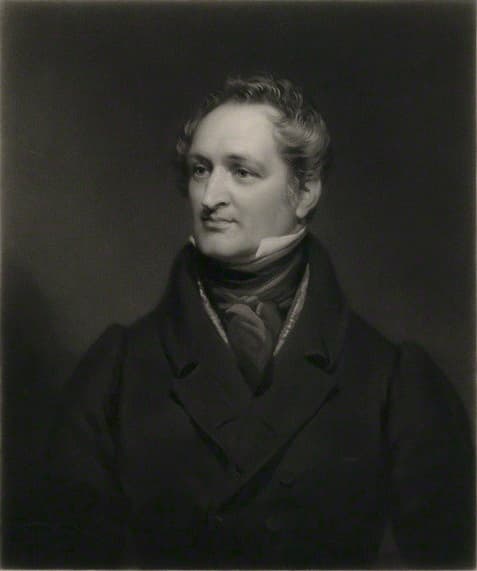
Henry Hallam
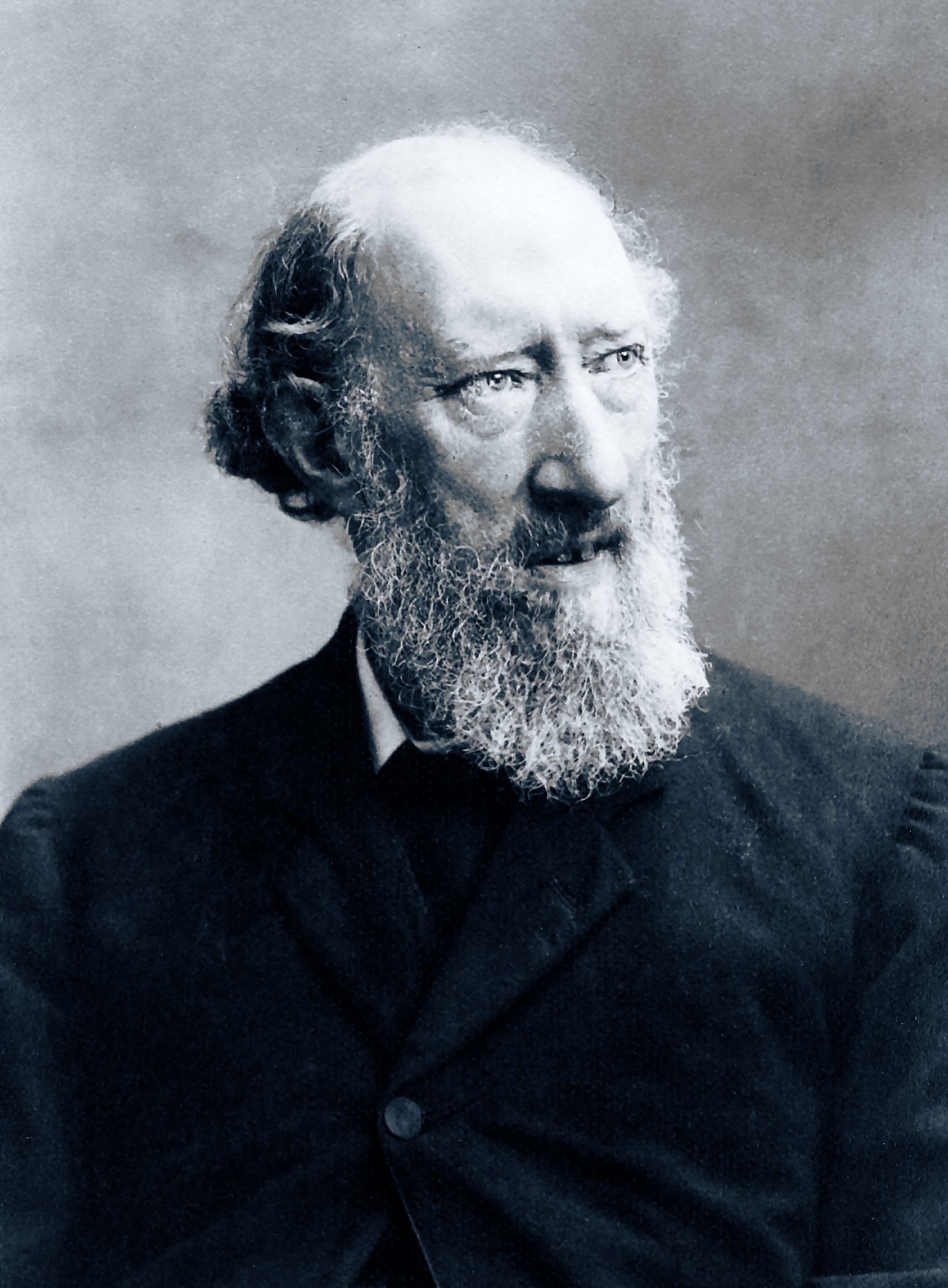
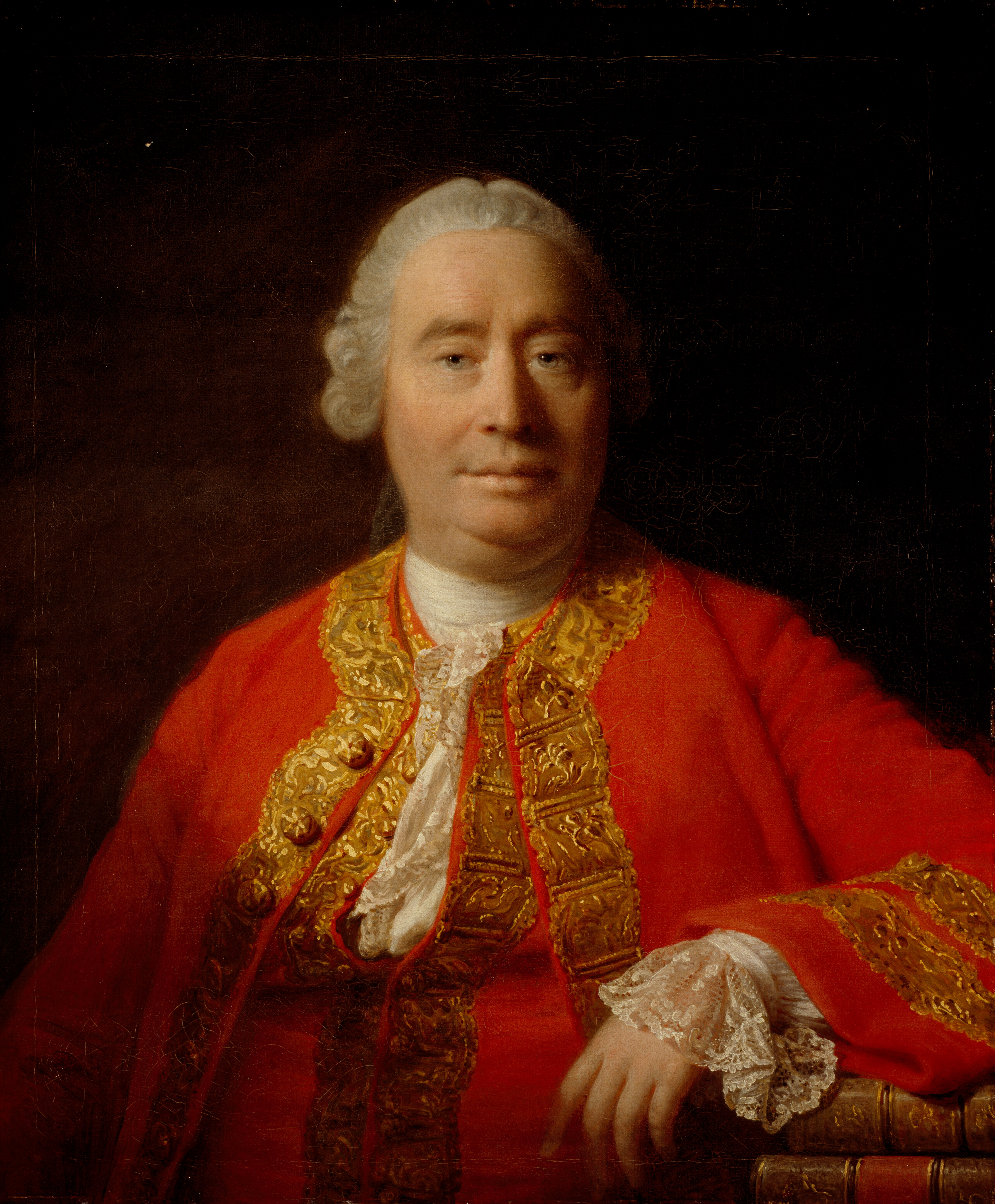
Henry Hallam was an influential English historian whose works significantly shaped the study of history in the 19th century. Educated at Eton and Christ Church, Oxford, he initially pursued a career as a barrister before turning his attention to historical writing. His major contributions include 'View of the State of Europe during the Middle Ages' (1818), which provided a comprehensive analysis of medieval Europe, and 'The Constitutional History of England' (1827), a detailed examination of England's political evolution. Hallam's 'Introduction to the Literature of Europe, in the Fifteenth, Sixteenth and Seventeenth Centuries' (1837) further established his reputation as a scholar of both history and literature, exploring the cultural contexts of significant literary movements. Although Hallam did not engage directly in politics, he was closely connected to prominent Whig authors and politicians, which influenced his perspectives. His work was occasionally criticized for perceived biases, as noted by Robert Southey in a review of 'Constitutional History.' Hallam's scholarly contributions earned him recognition as a fellow of the Royal Society and a trustee of the British Museum, and in 1830, he was awarded the gold medal for history established by George IV. His legacy endures through his rigorous historical analyses, which laid the groundwork for future historians and continue to be referenced in the study of English history and literature.
Books from the author









Link to this page
Add a free, dofollow link to Lex on your blog, forum, syllabus, or reading list.

<a href="https://lex-books.com/author/henry-hallam"><img src="https://lex-books.com/badges/read-on-lex.svg" alt="Henry Hallam on Lex" width="160" height="40"></a>[](https://lex-books.com/author/henry-hallam)[url=https://lex-books.com/author/henry-hallam][img]https://lex-books.com/badges/read-on-lex.svg[/img][/url]Henry Hallam on Lex: https://lex-books.com/author/henry-hallam