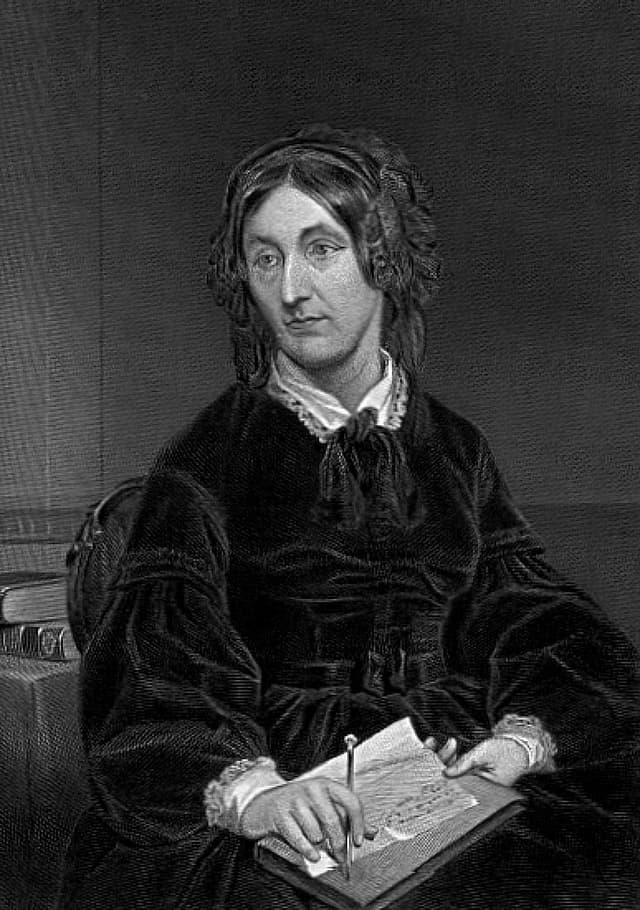
Mary Somerville
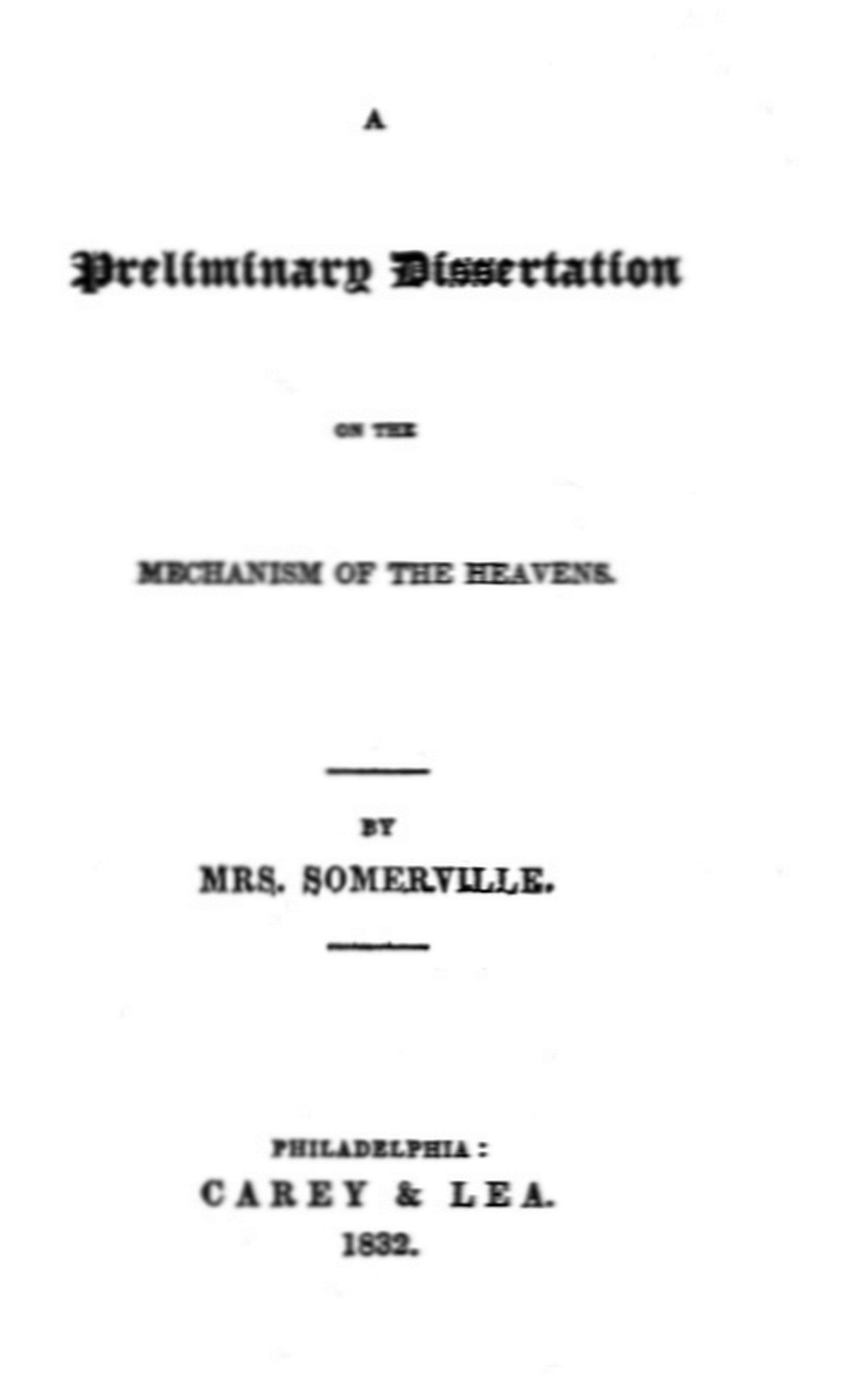
Mary Somerville was a pioneering Scottish scientist, writer, and polymath whose contributions to mathematics and astronomy marked her as a significant figure in the 19th century. Born Mary Fairfax, she later adopted the surname Greig after her first marriage and ultimately became known as Somerville after marrying Dr. William Somerville. In 1835, she made history alongside Caroline Herschel as the first female Honorary Members of the Royal Astronomical Society, a testament to her groundbreaking work in a male-dominated field. Her influential writings, particularly 'On the Connexion of the Physical Sciences,' not only advanced scientific understanding but also led to her being recognized as the first person to be called a 'scientist' by the philosopher William Whewell. Somerville's intellectual pursuits extended beyond the sciences; she was also an advocate for women's rights, famously signing John Stuart Mill's 1866 petition for women's suffrage. Her legacy is further cemented by her ability to bridge the gap between science and literature, making complex scientific concepts accessible to the general public. Upon her death in 1872, her obituary in The Morning Post hailed her as the 'queen of science,' reflecting her profound impact on both the scientific community and society at large. Somerville's life and work continue to inspire future generations of women in science and academia.
Famous Quotes
View all 3 quotes“It is not always possible to come to an agreement before one goes to sleep but it is possible to go to sleep in a loving and peaceable manner knowing that the problem can be worked out in love at a later time.”
“So numerous are the objects which meet our view in the heavens, that we cannot imagine a part of space where some light would not strike the eye : but as the fixed stars would not be visible at such distances, if they did not shine by their own light, it is reasonable to infer that they are suns ; and if so, they are in all probability attended by systems of opaque bodies, revolving about them as the planets do about ours.”
“Perhaps the day may come when even gravitation, no longer regarded as an ultimate principle, may be resolved into a yet more general cause, embracing every law that regulates the material world.”
Books from the author
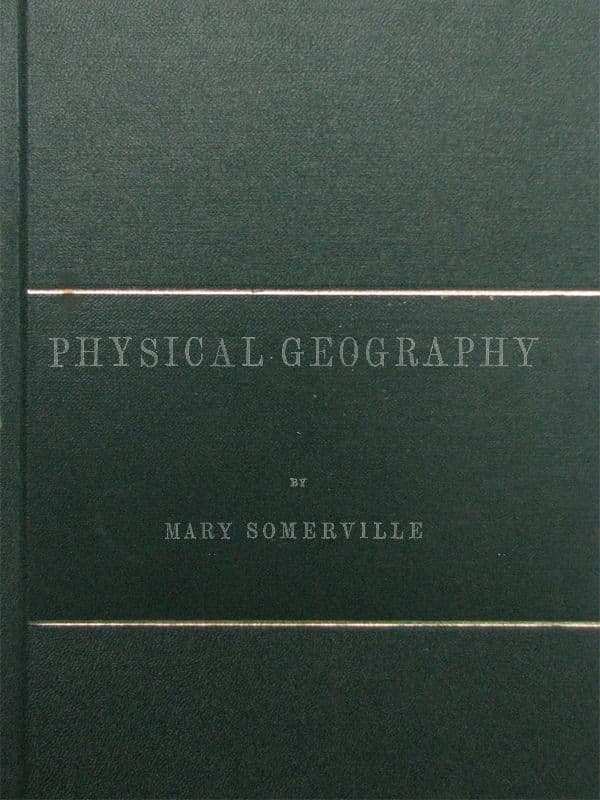
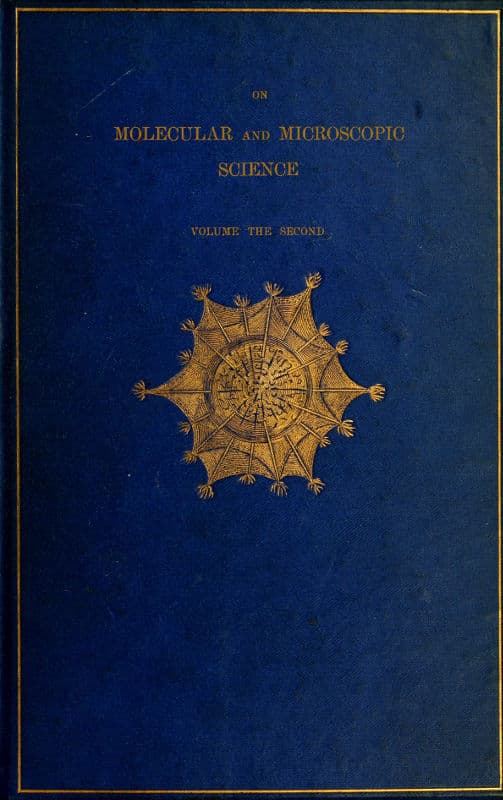
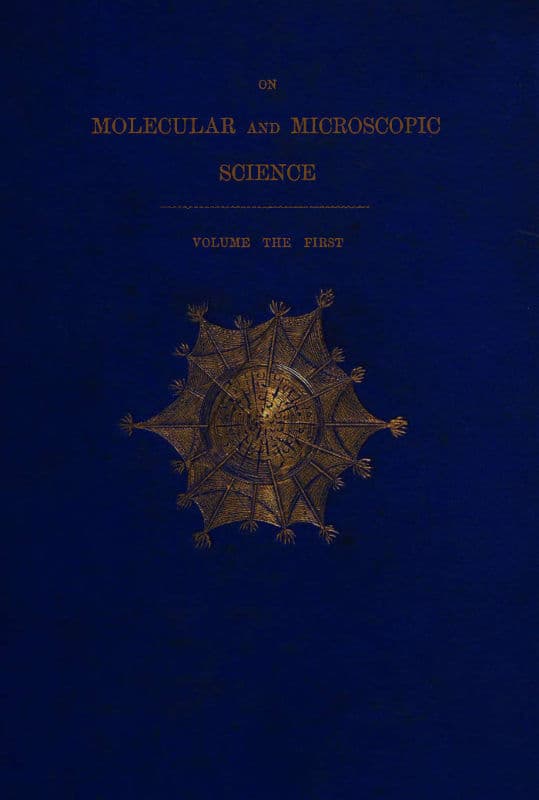


Link to this page
Add a free, dofollow link to Lex on your blog, forum, syllabus, or reading list.

<a href="https://lex-books.com/author/mary-somerville"><img src="https://lex-books.com/badges/read-on-lex.svg" alt="Mary Somerville on Lex" width="160" height="40"></a>[](https://lex-books.com/author/mary-somerville)[url=https://lex-books.com/author/mary-somerville][img]https://lex-books.com/badges/read-on-lex.svg[/img][/url]Mary Somerville on Lex: https://lex-books.com/author/mary-somerville