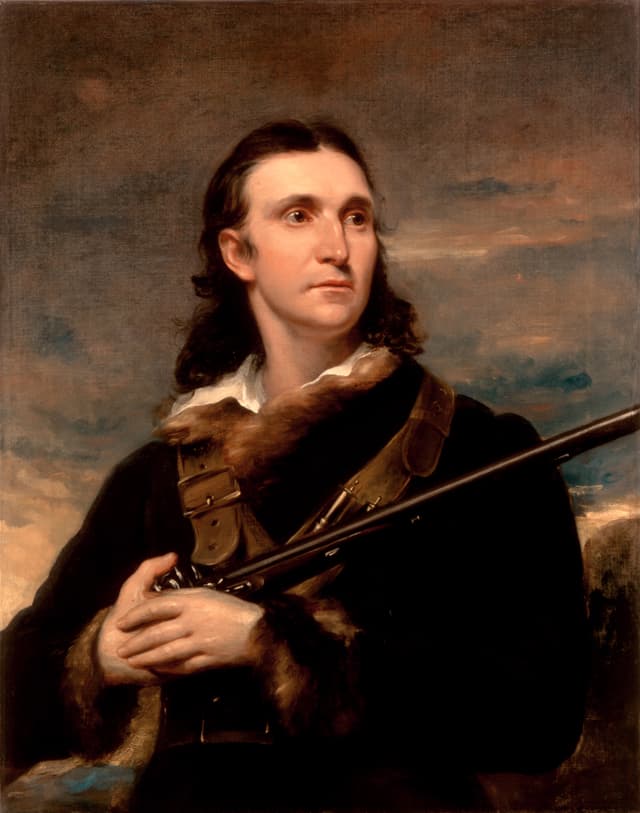
John James Audubon
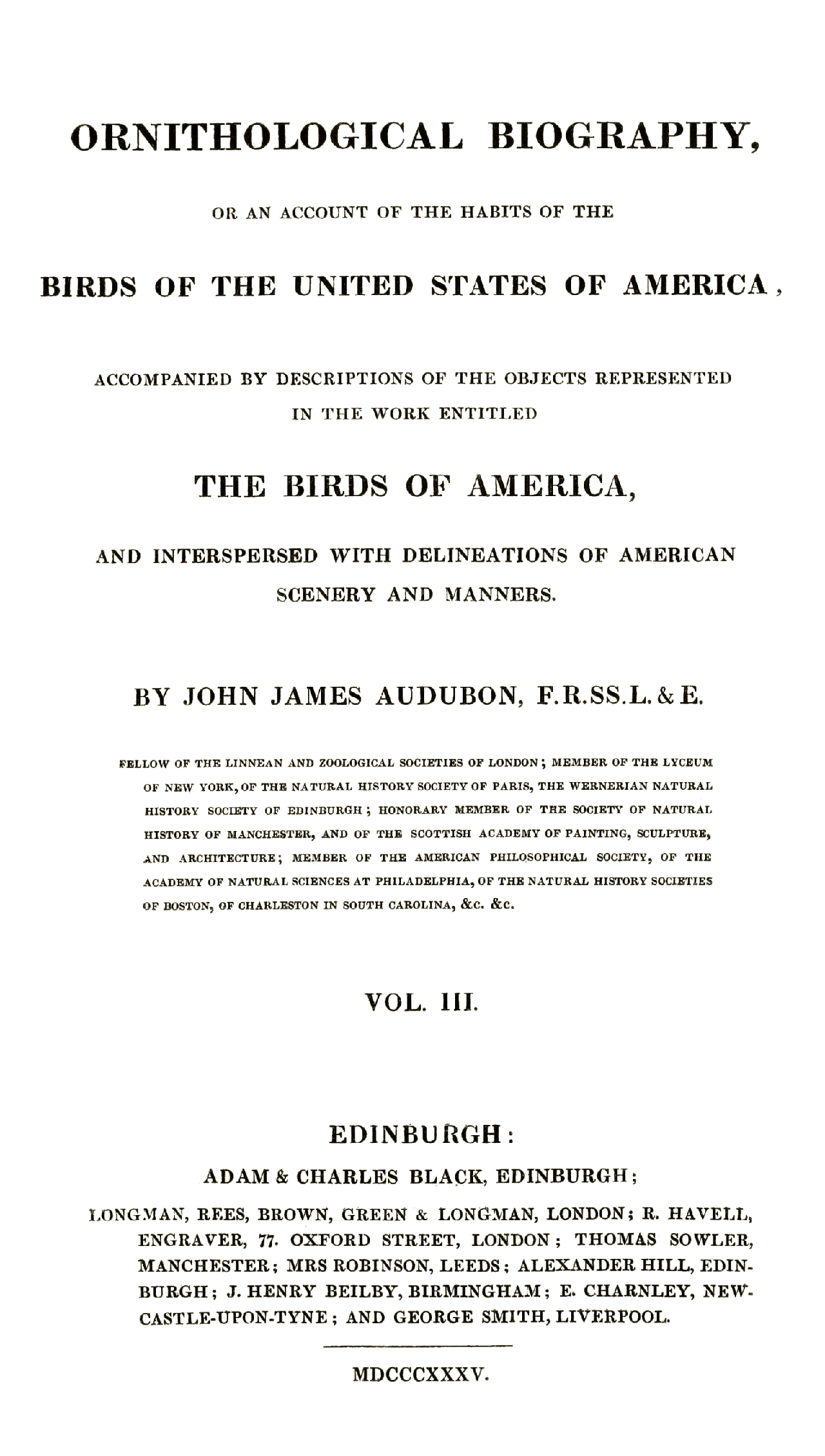
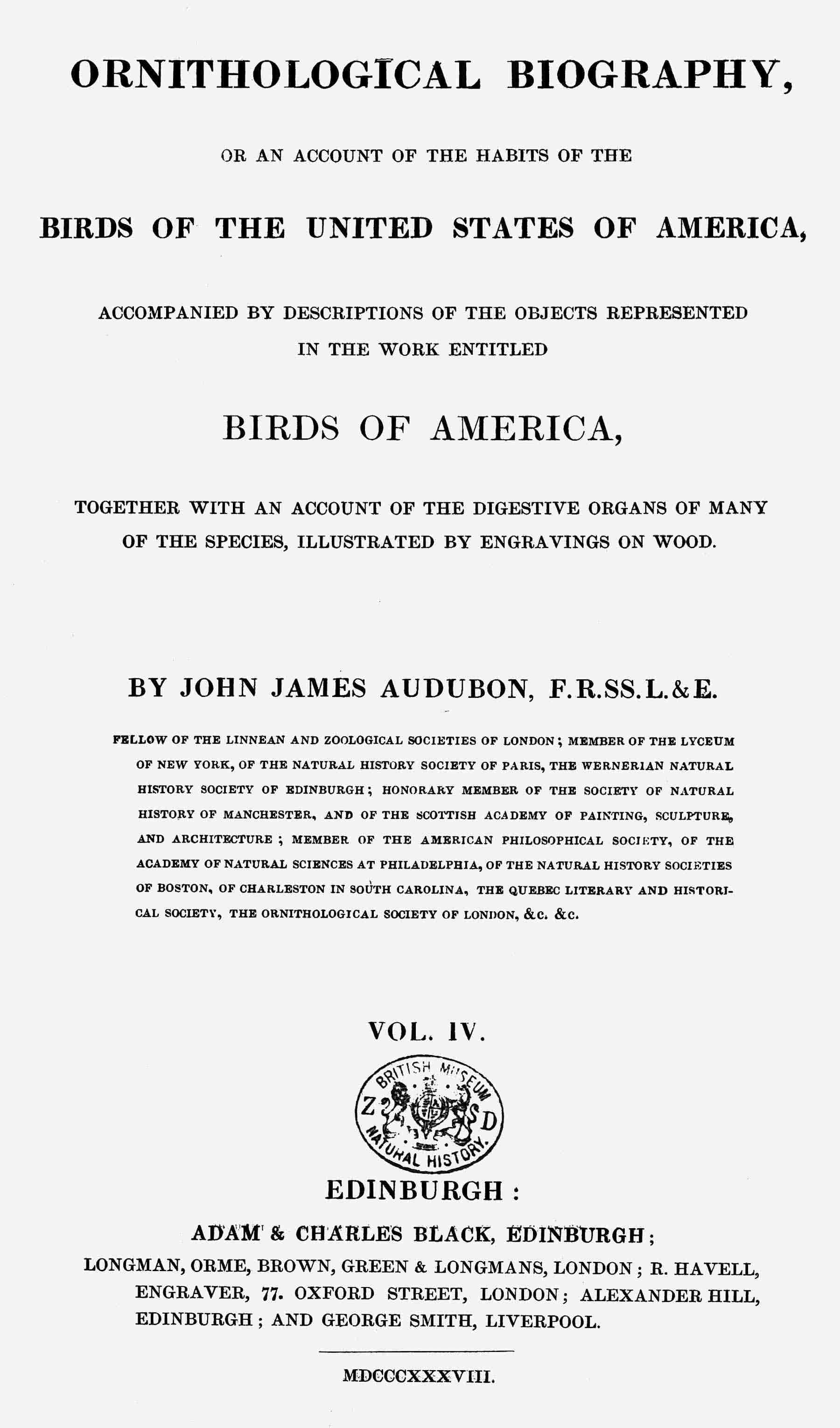
John James Audubon was a French-American artist, naturalist, and ornithologist whose passion for birds and art led him to create an unparalleled pictorial record of North American avifauna. Born Jean-Jacques Rabin, he dedicated much of his life to studying and illustrating birds in their natural habitats, culminating in his monumental work, The Birds of America, published between 1827 and 1839. This color-plate book is celebrated as one of the finest ornithological works ever produced, showcasing Audubon's meticulous attention to detail and his ability to capture the beauty of wildlife. Throughout his career, he identified 25 new bird species, contributing significantly to the field of ornithology and influencing future generations of naturalists and artists alike. Despite his artistic achievements and the enduring legacy of his work, Audubon's life was not without controversy. He faced accusations of academic fraud and plagiarism during his lifetime, and his involvement in slavery, along with some of his racist writings, has led to a reevaluation of his legacy in contemporary discussions. Nevertheless, Audubon's name lives on through the National Audubon Society and numerous places named in his honor, solidifying his impact on both art and environmental conservation. His scientific contributions, including the introduction of many bird species' names still used today, further underscore his significance in the history of American naturalism.
Famous Quotes
View all 3 quotes“A true conservationist is a man who knows that the world is not given by his fathers, but borrowed from his children.”
“The woods would be very silent if no birds sang except those who sang the best.”
“As I grew up I was fervently desirous of becoming acquainted with Nature.”
Books from the author




Link to this page
Add a free, dofollow link to Lex on your blog, forum, syllabus, or reading list.

<a href="https://lex-books.com/author/john-james-audubon"><img src="https://lex-books.com/badges/read-on-lex.svg" alt="John James Audubon on Lex" width="160" height="40"></a>[](https://lex-books.com/author/john-james-audubon)[url=https://lex-books.com/author/john-james-audubon][img]https://lex-books.com/badges/read-on-lex.svg[/img][/url]John James Audubon on Lex: https://lex-books.com/author/john-james-audubon