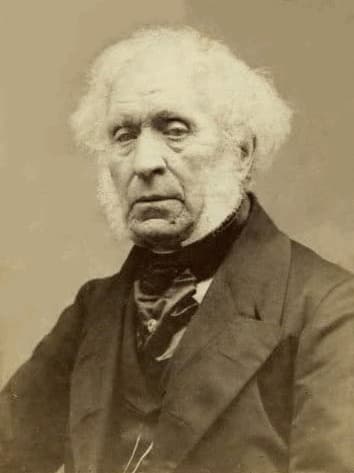
David Brewster
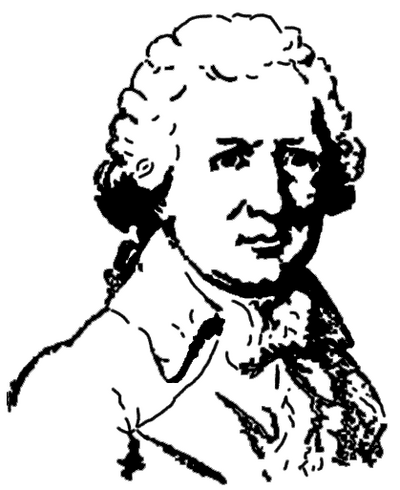
Sir David Brewster was a British scientist and inventor renowned for his groundbreaking contributions to the field of optics. His experimental work laid the foundation for modern experimental optics, particularly through his studies on the polarization of light, which led to the discovery of Brewster's angle. Brewster's exploration of birefringence in crystals and his pioneering research in photoelasticity established him as a key figure in optical mineralogy. His inventions, including the lenticular stereoscope and the stereoscopic camera, revolutionized the way people experienced visual media, making him a notable pioneer in photography as well. William Whewell recognized Brewster's significant impact on the field by dubbing him the 'father of modern experimental optics'. In addition to his scientific achievements, Brewster was a dedicated historian of science, particularly focused on Isaac Newton. He published a comprehensive biography of Newton in 1831 and was the first to delve into many of Newton's unpublished papers, enhancing the understanding of the great scientist's work. Brewster's influence extended into academia as he served as Principal of both the University of St Andrews and the University of Edinburgh, shaping higher education in Scotland. His role as a public advocate for science was further solidified through his presidency of the British Science Association and his editorial work on the Edinburgh Encyclopædia, where he contributed to the popularization of scientific knowledge in the 19th century.
Famous Quotes
View all 3 quotes“Thus identified with astronomy, in proclaiming truths supposed to be hostile to Scripture, Geology has been denounced as the enemy of religion. The twin sisters of terrestrial and celestial physics have thus been joint-heirs of intolerance and persecution—unresisting victims in the crusade which ignorance and fanaticism are ever waging against science. When great truths are driven to make an appeal to reason, knowledge becomes criminal, and philosophers martyrs. Truth, however, like all moral powers, can neither be checked nor extinguished. When compressed, it but reacts the more. It crushes where it cannot expand—it burns where it is not allowed to shine. Human when originally divulged, it becomes divine when finally established. At first, the breath of a rage—at last it is the edict of a god. Endowed with such vital energy, astronomical truth has cut its way through the thick darkness of superstitious times, and, cheered by its conquests, Geology will find the same open path when it has triumphed over the less formidable obstacles of a civilized age.”
“Man, made after God's image, was a nobler creation than twinkling sparks in the sky, or than the larger and more useful lamp of the moon.”
“A mere inference or theory must give way to a truth revealed; but a scientific truth must be maintained, however contradictory it may appear to the most cherished doctrines of religion.”
Books from the author
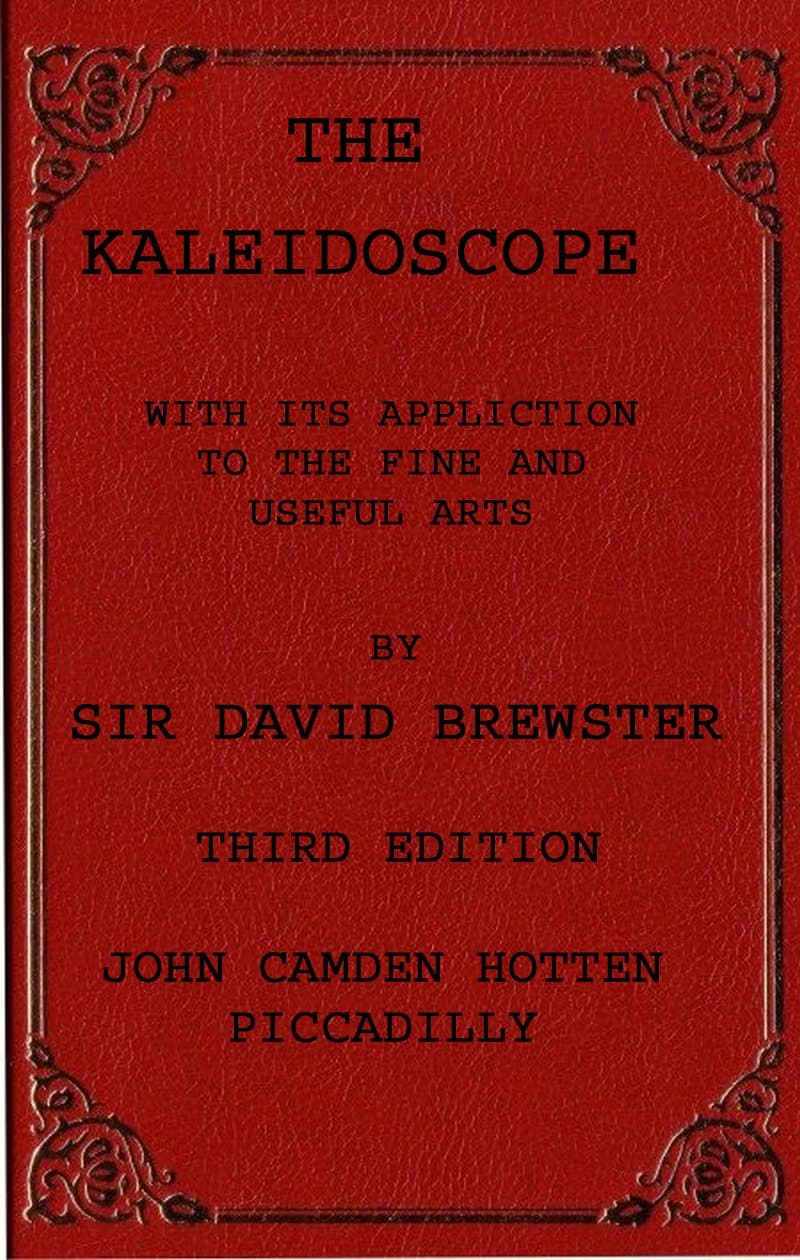

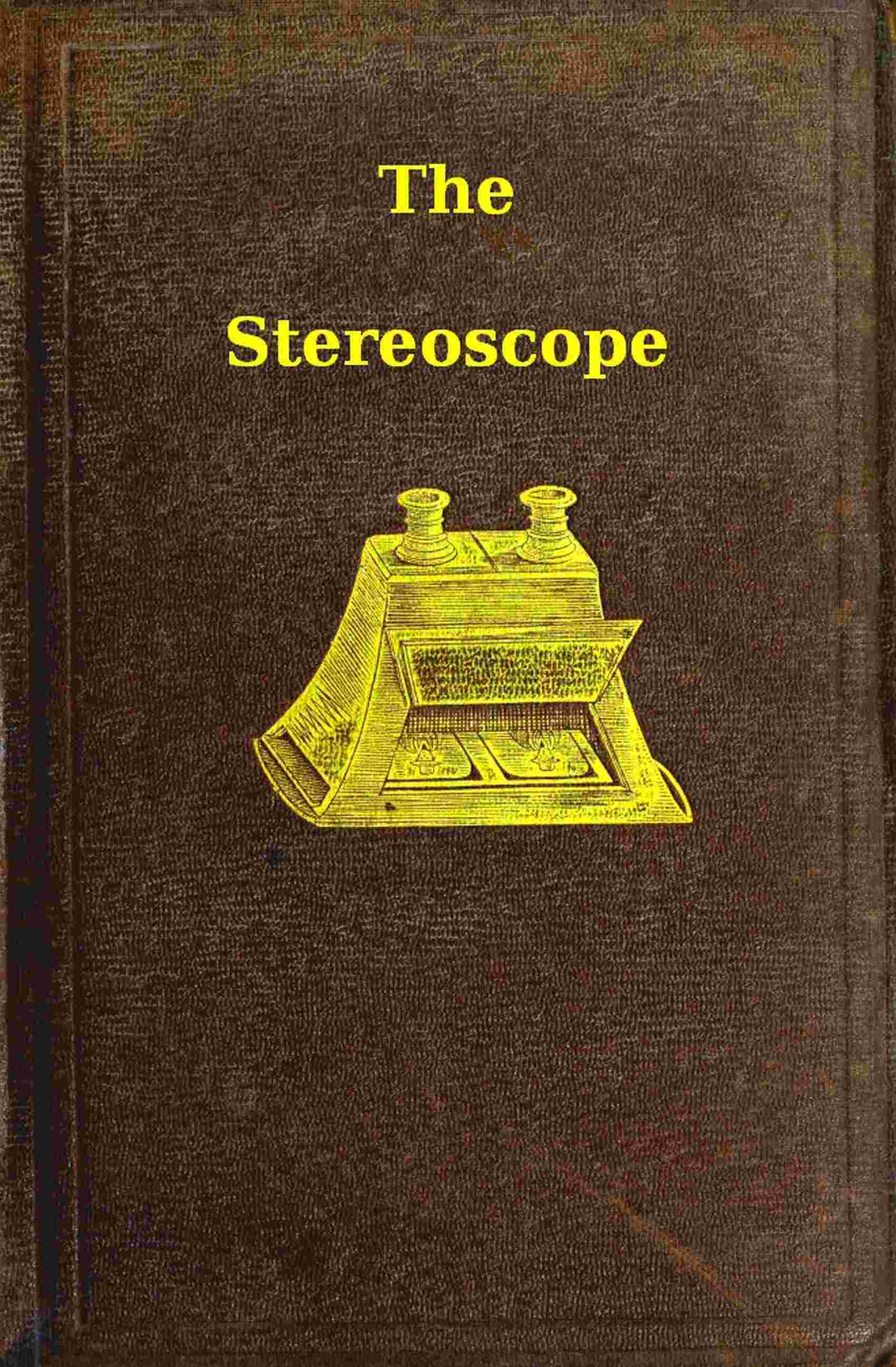




Link to this page
Add a free, dofollow link to Lex on your blog, forum, syllabus, or reading list.

<a href="https://lex-books.com/author/david-brewster"><img src="https://lex-books.com/badges/read-on-lex.svg" alt="David Brewster on Lex" width="160" height="40"></a>[](https://lex-books.com/author/david-brewster)[url=https://lex-books.com/author/david-brewster][img]https://lex-books.com/badges/read-on-lex.svg[/img][/url]David Brewster on Lex: https://lex-books.com/author/david-brewster