
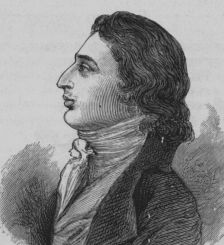
Teofilo Folengo
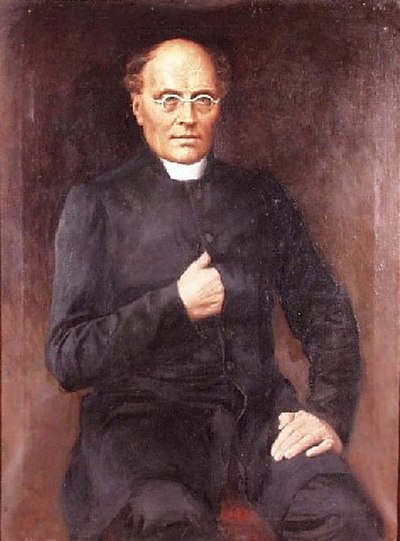
Teofilo Folengo, known by his pseudonym Merlino Coccajo, was a prominent Italian poet of the Renaissance, celebrated for his innovative use of macaronic verse—a blend of Latin and vernacular Italian. Born into a noble family, Folengo's early life was marked by a monastic education, which deeply influenced his literary pursuits. His most notable work, 'Baldo,' is an epic poem that showcases his mastery of this unique style, combining humor, satire, and a rich tapestry of characters drawn from both classical and contemporary sources. Folengo's ability to weave together different languages and cultural references set him apart in the literary landscape of his time. In addition to 'Baldo,' Folengo produced several other significant works, including 'Orlandino' and 'Cocaius,' which further exemplified his talent for macaronic poetry. His writings often explored themes of human folly, social critique, and the absurdities of life, reflecting the complexities of the Renaissance period. Folengo's influence extended beyond his lifetime, inspiring later poets and writers to experiment with language and form. His legacy as a pioneer of macaronic poetry solidified his place in the canon of Italian literature, marking him as a key figure in the evolution of poetic expression during the Renaissance.
Books from the author





Link to this page
Add a free, dofollow link to Lex on your blog, forum, syllabus, or reading list.

<a href="https://lex-books.com/author/teofilo-folengo"><img src="https://lex-books.com/badges/read-on-lex.svg" alt="Teofilo Folengo on Lex" width="160" height="40"></a>[](https://lex-books.com/author/teofilo-folengo)[url=https://lex-books.com/author/teofilo-folengo][img]https://lex-books.com/badges/read-on-lex.svg[/img][/url]Teofilo Folengo on Lex: https://lex-books.com/author/teofilo-folengo