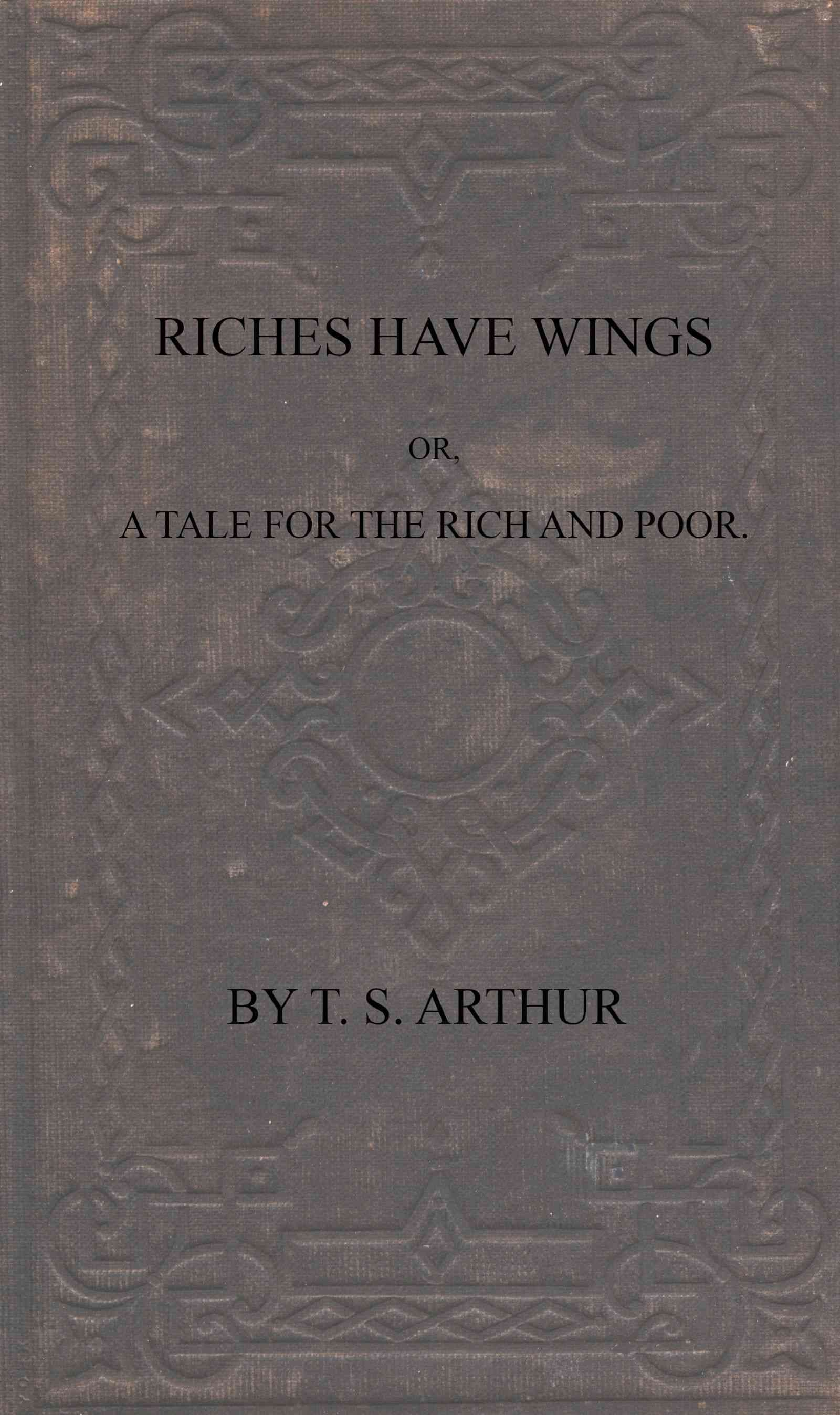
True Riches; Or, Wealth Without Wings
1852
The opening image is unforgettable: Edward Claire watches a funeral procession pass on the same day his employer, the wealthy but morally bankrupt Leonard Jasper, celebrates a lucrative deal. This juxtaposition sets up the central tension of T.S. Arthur's 1852 novel, a period when American capitalism was exploding and the question of how to get rich without losing one's soul felt urgent and new. Edward works for Jasper, a merchant whose wealth masks profound ethical corruption. At home, Edward's wife Edith embodies the virtues he finds himself tempted to abandon. Their young child and an orphan named Fanny Elder add further stakes to Edward's choices. As temptation closes in, Arthur builds toward a reckoning between material success and moral integrity. Why does this 170-year-old novel still resonate? Because it asks a question we still haven't answered: what is wealth when it costs you everything that actually matters?
Editions
X-Ray
“When the heart prompts, duty becomes a pleasure.””
— T. S. Arthur
Link to this book
Add a free, dofollow link to Lex on your blog, forum, syllabus, or reading list.

<a href="https://lex-books.com/book/true-riches-or-wealth-without-wings-19fd78d4-009c-4d37-ba34-87930140cfb6"><img src="https://lex-books.com/badges/read-on-lex.svg" alt="Read True Riches; Or, Wealth Without Wings by T. S. Arthur free on Lex" width="160" height="40"></a>[](https://lex-books.com/book/true-riches-or-wealth-without-wings-19fd78d4-009c-4d37-ba34-87930140cfb6)[url=https://lex-books.com/book/true-riches-or-wealth-without-wings-19fd78d4-009c-4d37-ba34-87930140cfb6][img]https://lex-books.com/badges/read-on-lex.svg[/img][/url]Read True Riches; Or, Wealth Without Wings by T. S. Arthur free on Lex: https://lex-books.com/book/true-riches-or-wealth-without-wings-19fd78d4-009c-4d37-ba34-87930140cfb6Cite this book
Reading this edition for a paper or guide? Copy a citation.
Arthur, T. S.. True Riches; Or, Wealth Without Wings. Lex, lex-books.com/book/true-riches-or-wealth-without-wings-19fd78d4-009c-4d37-ba34-87930140cfb6.Arthur, T. S. (1852). True Riches; Or, Wealth Without Wings. Lex. https://lex-books.com/book/true-riches-or-wealth-without-wings-19fd78d4-009c-4d37-ba34-87930140cfb6Arthur, T. S.. True Riches; Or, Wealth Without Wings. Lex. https://lex-books.com/book/true-riches-or-wealth-without-wings-19fd78d4-009c-4d37-ba34-87930140cfb6.