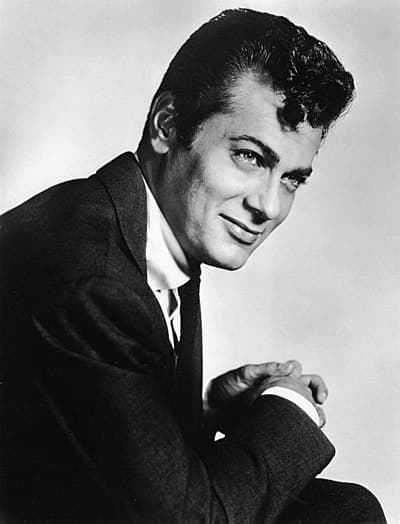
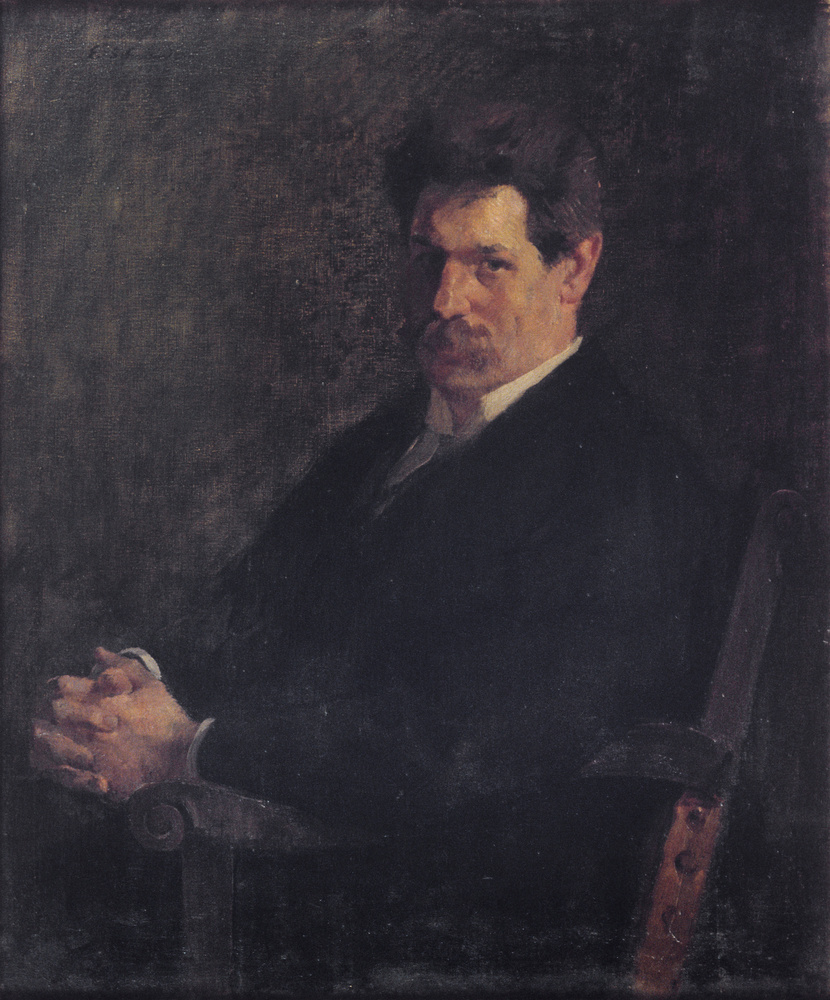
T. D. Curtis
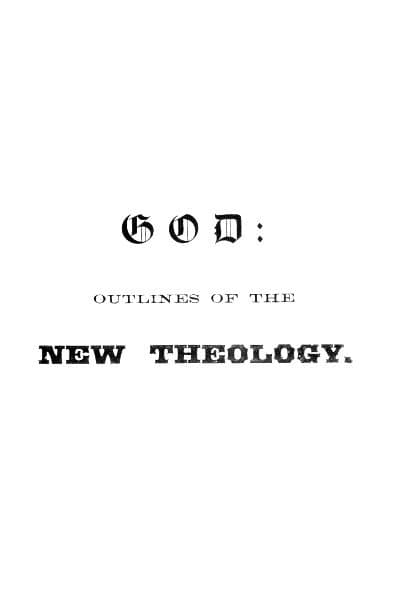
T. D. Curtis was a notable figure in the late 19th and early 20th centuries, primarily recognized for his contributions to agricultural literature and theology. His works, such as 'Hints on Dairying' and 'Hints on Cheese-Making,' provided practical guidance for dairy farmers and manufacturers, reflecting a growing interest in agricultural efficiency and the science behind food production during this era. These texts not only served as instructional manuals but also highlighted the importance of dairy as a vital component of the agricultural economy. In addition to his agricultural writings, Curtis explored theological themes in works like 'The Cross and Crown' and 'God: Outlines of the New Theology.' In these texts, he sought to reconcile faith with contemporary scientific understanding, advocating for a theology grounded in reason and common sense. His approach to theology was indicative of a broader movement during his time that aimed to harmonize religious belief with the advancements of the modern world. Through his diverse body of work, Curtis made significant contributions to both agricultural practices and theological discourse, leaving a lasting impact on both fields.
Famous Quotes
View all 17 quotes“Later on, when I tried to imagine how I might have ruined things, that would occur to me - that I'd so rarely resisted, that I hadn't made it hard enough for him. Maybe it was like gathering your strength and hurling your body against a door you believe to be locked, and then the door opens easily - it wasn't locked at all - and you're standing looking into the room, trying to remember what it was you thought you wanted.””
“This possibility was not flattering to me; it was terrifying. There were other things a guy could think I was, and he wouldn't be entirely wrong - nice, or loyal, or maybe interesting. Not that I was always any of those thing, but in certain situations, it was conceivable. But to be seen as pretty was to be fundamentally misunderstood. First of all, I wasn't pretty, and on top of that I didn't take care of myself like a pretty girl did; I wasn't even one of the unpretty girls who passes as pretty through effort and association. If a guy believed my value to lie in my looks, it meant either that he'd somehow been mislead and would eventually be disappointed, or that he had very low standards.””
“We were scared. I guess when you're in your twenties, that's how it is. You've got an adult body, but you're trying to make it work with a kid's emotions. With Marilyn and me, it was worse. Our kid emotions didn't even work. We'd been treated too poorly.””
Books from the author




Link to this page
Add a free, dofollow link to Lex on your blog, forum, syllabus, or reading list.

<a href="https://lex-books.com/author/t-d-curtis"><img src="https://lex-books.com/badges/read-on-lex.svg" alt="T. D. Curtis on Lex" width="160" height="40"></a>[](https://lex-books.com/author/t-d-curtis)[url=https://lex-books.com/author/t-d-curtis][img]https://lex-books.com/badges/read-on-lex.svg[/img][/url]T. D. Curtis on Lex: https://lex-books.com/author/t-d-curtis