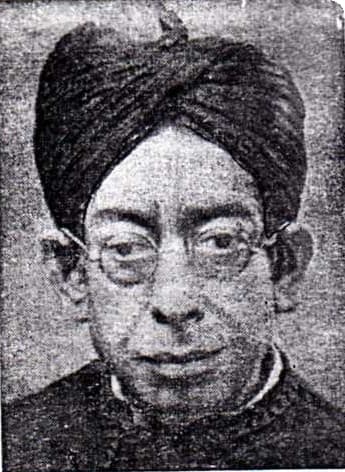
Surendranath Dasgupta
Surendranath Dasgupta was an influential Indian scholar known for his extensive work in Sanskrit and Indian philosophy. Born in a time of significant cultural and intellectual awakening in India, he dedicated his life to the study and promotion of ancient Indian texts and philosophical thought. Dasgupta's academic journey led him to become a prominent figure in the field, where he contributed to the understanding of various philosophical traditions, including Vedanta and Buddhism. His scholarly rigor and commitment to Indian philosophy helped bridge the gap between ancient wisdom and contemporary thought. Among his notable works, Dasgupta authored 'A History of Indian Philosophy,' a comprehensive multi-volume analysis that remains a key reference for scholars and students alike. His writings not only elucidated complex philosophical ideas but also highlighted the richness of Indian intellectual heritage. Dasgupta's efforts in translating and interpreting ancient texts played a crucial role in revitalizing interest in Indian philosophy during the 20th century. His legacy endures through his contributions to academia and his role in fostering a deeper appreciation for India's philosophical traditions.
Famous Quotes
View all 3 quotes“Love of God is not a thing which we produce in ourselves by excessive brooding or by self-hypnotism or by any other method. It is a permanent flame, slowly burning in the caverns of all our hearts. […] The basis of all religions is this love of God. For if this love of God were not vital to us, all that the great prophets have been trying to preach would have been unreal and futile. If it were not a real experience which in some sense is shared by us all, an experience which ennobles us and raises us far above the selfish pettinesses of life, no prophet and no religious deed would be able to appeal to our higher natures and establish the claims of religion.”
“the agency of a creator, who is not however always the starting point, and we find that the theory of evolution is combined with the theory of creation, so that Prajâpati is sometimes spoken of as the creator while at other times the creator is said to have floated in the primeval water as a cosmic golden egg. Eschatology;”
“No special emphasis is given in the Upani@sads to the sex-desire or the desire for a son; for, being called kâma, whatever was the desire for a son was the same as the desire for money and the desire for money was the same as any other worldly desire (B@rh. IV. iv. 22), and hence sex-desires stand on the same plane as any other desire. _____________________________________________________________________ [Footnote”
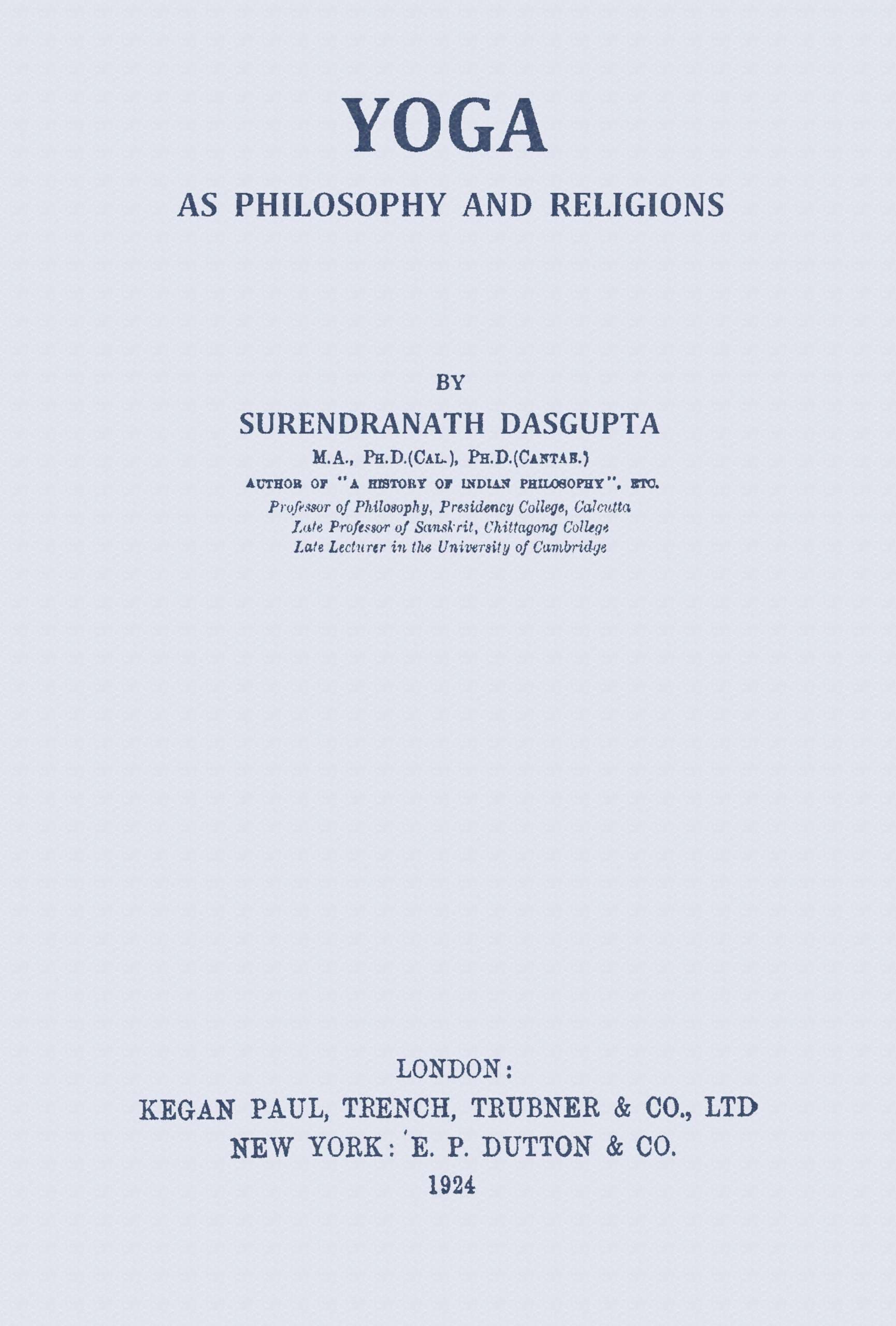
Books from the author



Link to this page
Add a free, dofollow link to Lex on your blog, forum, syllabus, or reading list.

<a href="https://lex-books.com/author/surendranath-dasgupta"><img src="https://lex-books.com/badges/read-on-lex.svg" alt="Surendranath Dasgupta on Lex" width="160" height="40"></a>[](https://lex-books.com/author/surendranath-dasgupta)[url=https://lex-books.com/author/surendranath-dasgupta][img]https://lex-books.com/badges/read-on-lex.svg[/img][/url]Surendranath Dasgupta on Lex: https://lex-books.com/author/surendranath-dasgupta