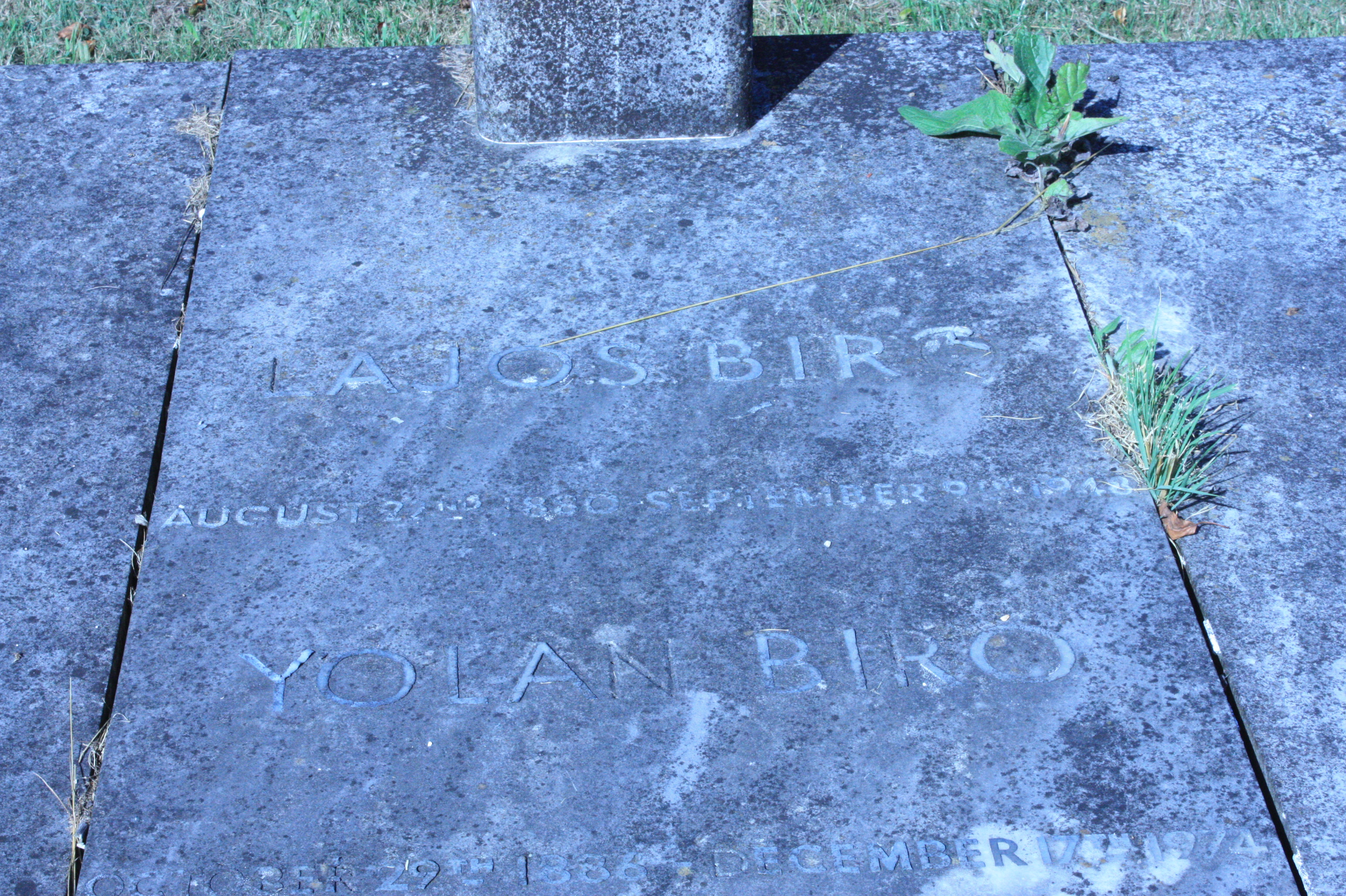
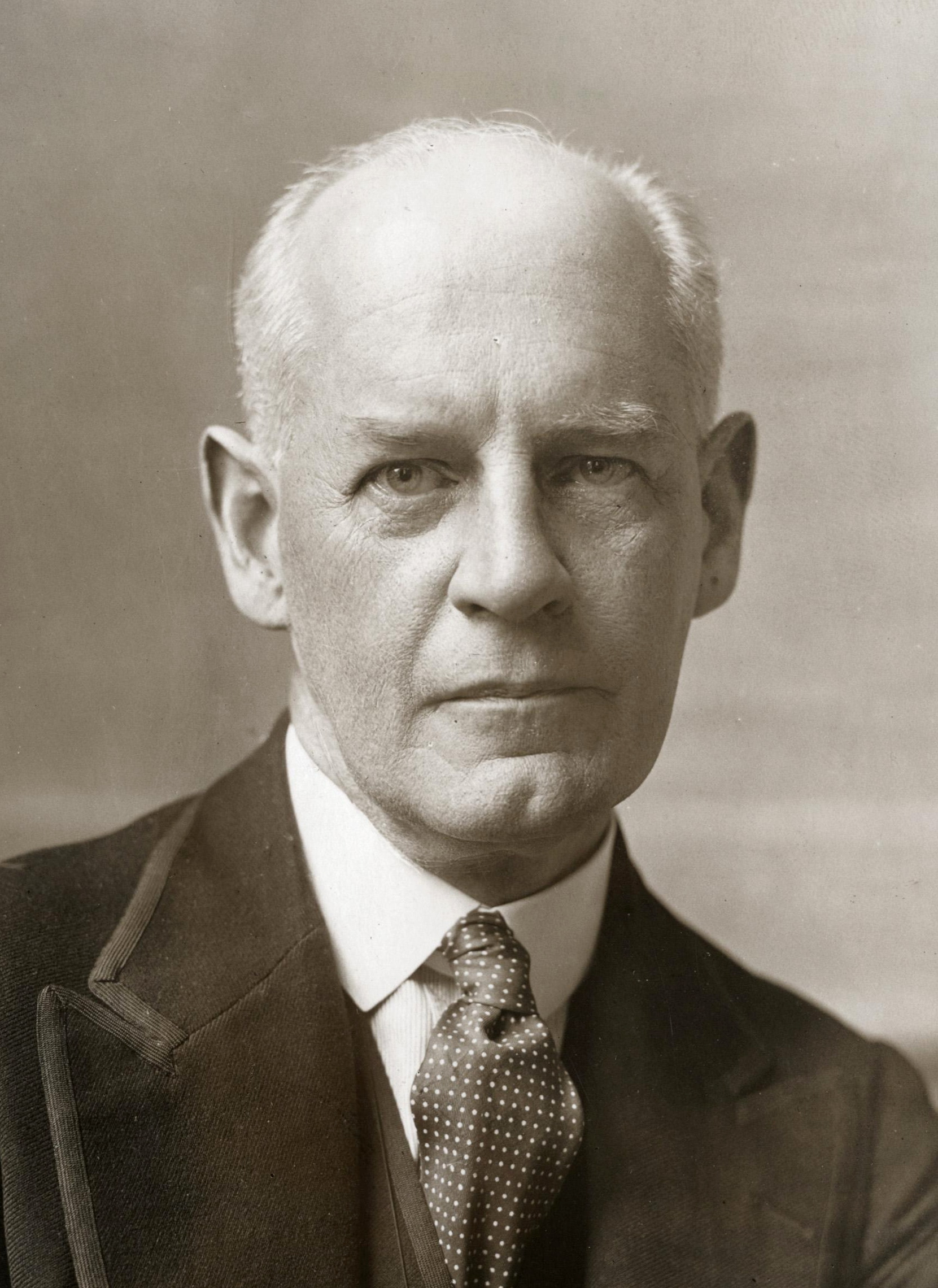
Lajos Biró
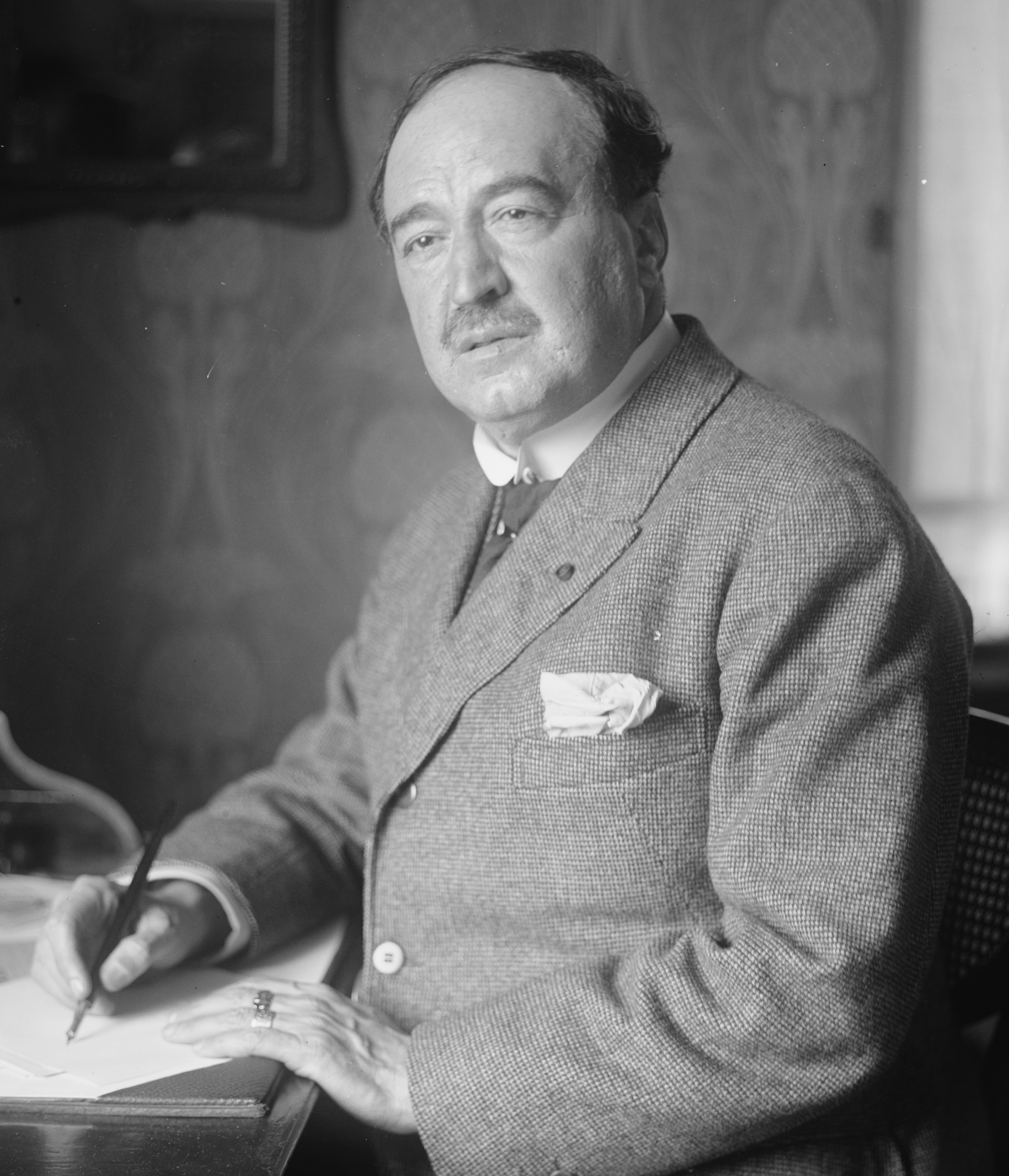
Lajos Biró was a Hungarian playwright and novelist known for his contributions to early 20th-century theatre and literature. Born in Budapest, he initially pursued a career in journalism before turning to writing plays that often reflected the social and political issues of his time. His works were characterized by a blend of realism and a keen sense of the absurd, which resonated with audiences in Hungary and beyond. Biró's most notable plays include "The Last Man" and "The Devil's Advocate," which showcased his ability to weave complex characters into narratives that explored themes of morality and human nature. In addition to his theatrical successes, Biró was also a prolific novelist, with works such as "The Man Who Was a Woman" and "The Devil's Advocate" further establishing his reputation as a versatile writer. His literary significance lies in his ability to capture the zeitgeist of his era, addressing the anxieties and aspirations of a society on the brink of change. Biró's legacy endures through his influence on Hungarian theatre and literature, as well as his exploration of existential themes that continue to resonate with contemporary audiences.
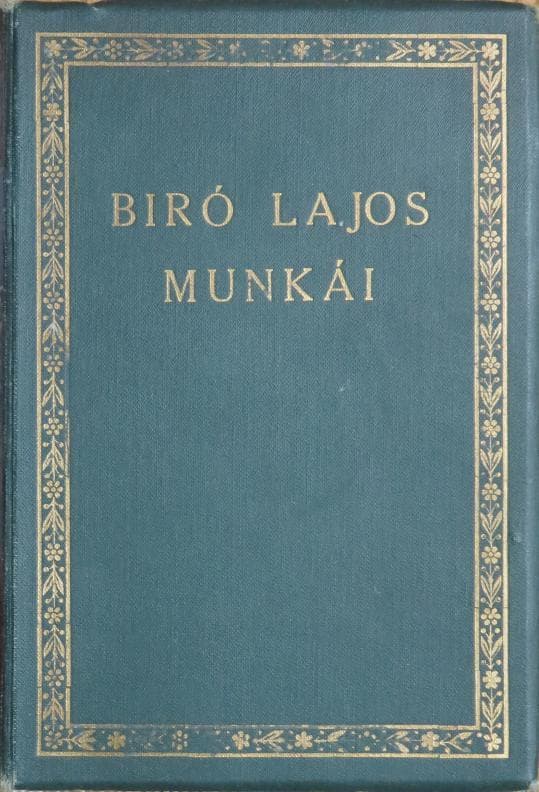
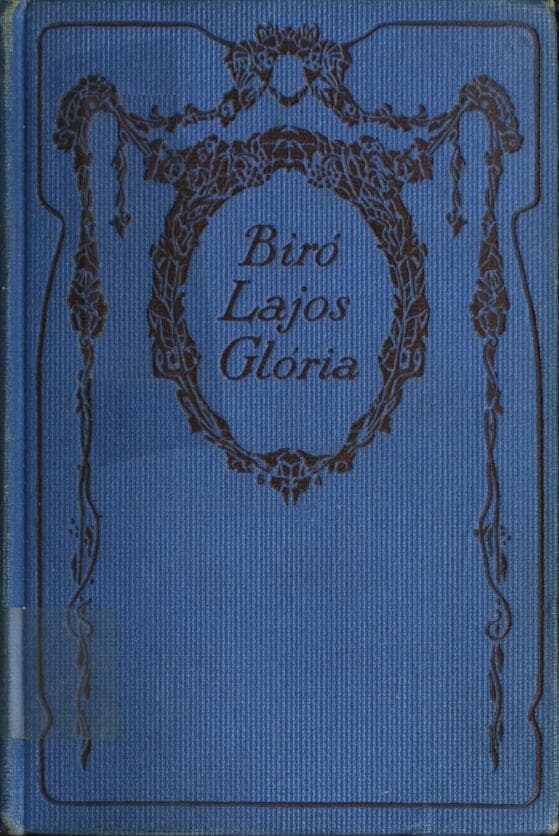
Books from the author

Link to this page
Add a free, dofollow link to Lex on your blog, forum, syllabus, or reading list.

<a href="https://lex-books.com/author/lajos-biró"><img src="https://lex-books.com/badges/read-on-lex.svg" alt="Lajos Biró on Lex" width="160" height="40"></a>[](https://lex-books.com/author/lajos-biró)[url=https://lex-books.com/author/lajos-biró][img]https://lex-books.com/badges/read-on-lex.svg[/img][/url]Lajos Biró on Lex: https://lex-books.com/author/lajos-biró