
Simon Newcomb
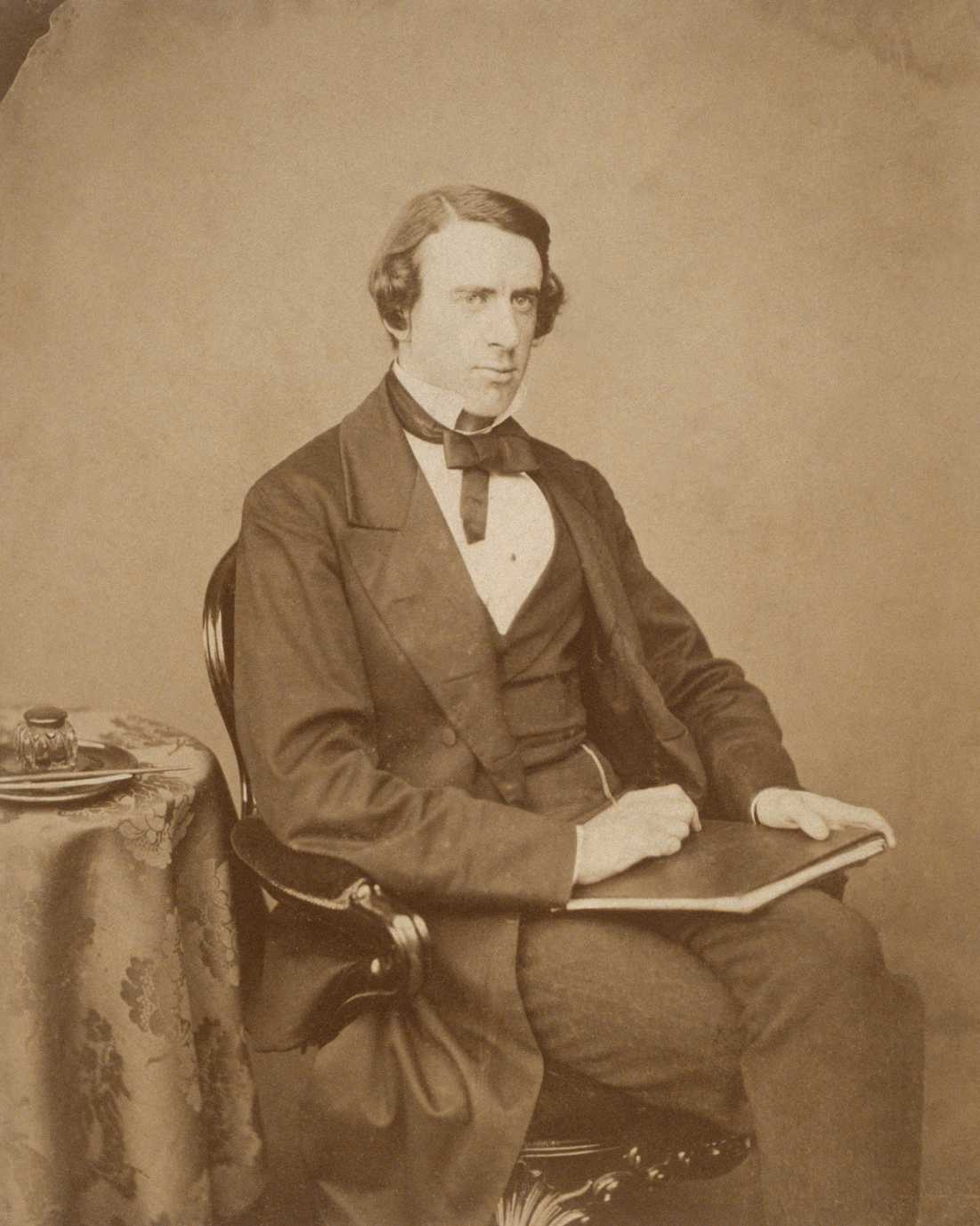
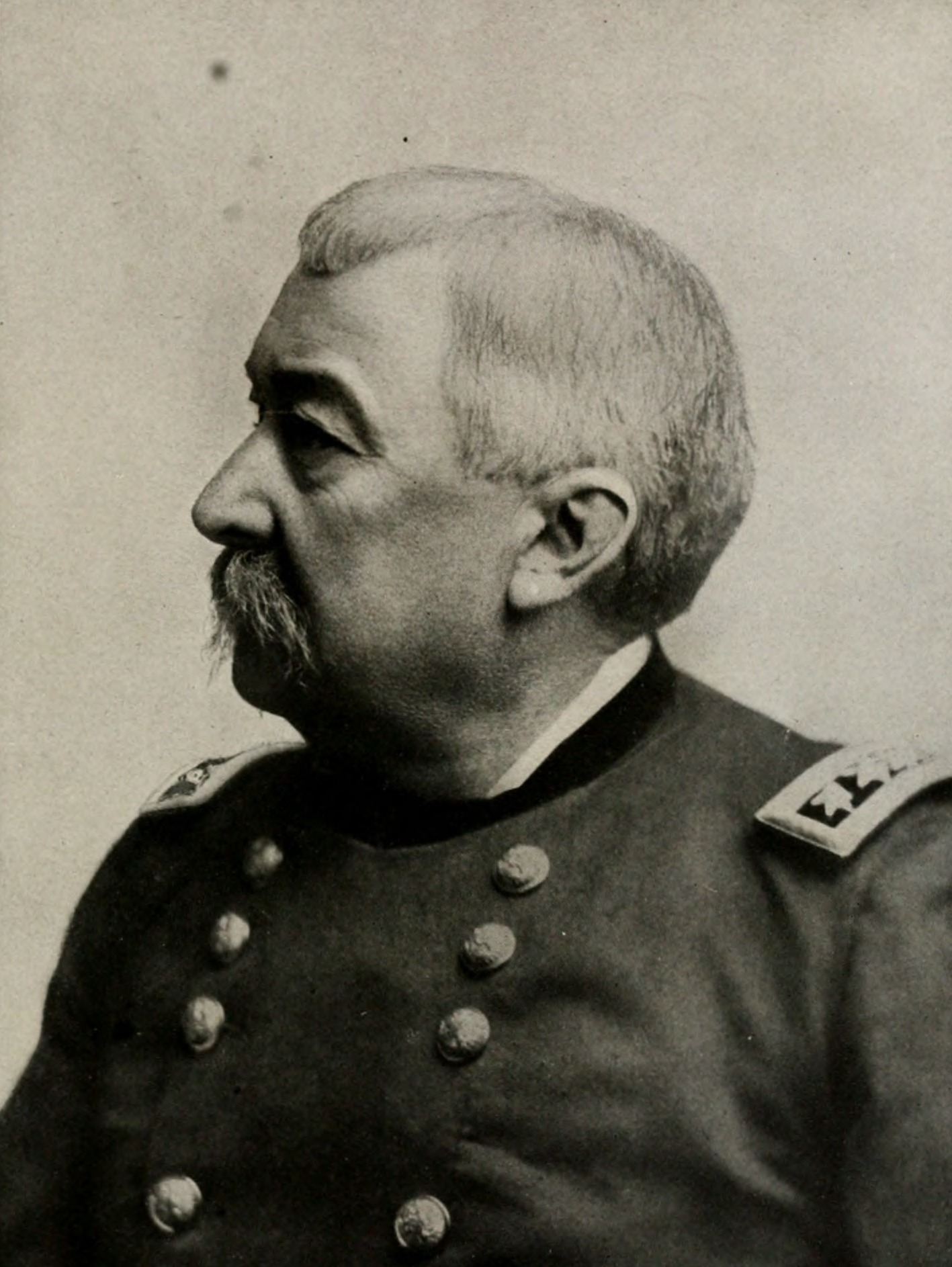
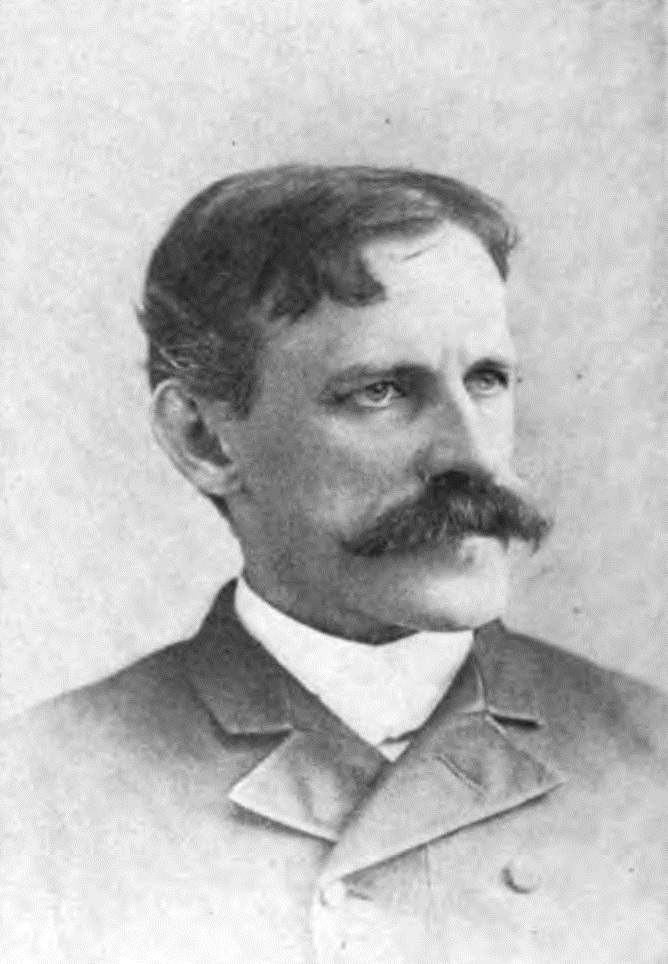
Simon Newcomb was a Canadian-American astronomer and applied mathematician known for his significant contributions to various scientific fields, including timekeeping, economics, and statistics. Born in Nova Scotia, he pursued an unconventional education, ultimately earning a Bachelor of Science degree from Harvard in 1858. His career included roles as a Professor of Mathematics in the United States Navy and at Johns Hopkins University, where he influenced the development of mathematical sciences in America. Newcomb's work in timekeeping was particularly notable; he developed methods that improved the accuracy of astronomical observations and navigation. In addition to his technical achievements, he authored several popular science books and a science fiction novel, showcasing his versatility as a writer. His ability to communicate complex scientific ideas to the public helped to popularize science in the late 19th century, solidifying his legacy as a pioneering figure in both astronomy and applied mathematics.
Famous Quotes
View all 1 quotes“Is the man thus moved into the exploration of nature by an unconquerable passion more to be envied or pitied? In no other pursuit does such certainty come to him who deserves it. No life is so enjoyable as that whose energies are devoted to following out the inborn impulses of one's nature. The investigator of truth is little subject to the disappointments which await the ambitious man in other fields of activity. It is pleasant to be one of a brotherhood extending over the world in which no rivalry exists except that which comes out of trying to do better work than anyone else, while mutual admiration stifles jealousy. As the great captain of industry is moved by the love of wealth and the politician by the love of power, so the astronomer is moved by the love of knowledge for its own sake and not for the sake of its application. Yet he is proud to know that his science has been worth more to mankind than it has cost. feels that man does not live by bread alone. If it is not more than bread to know the place we occupy in the universe, it is certainly something that we should place not far behind the means of subsistence.”
Books from the author




Link to this page
Add a free, dofollow link to Lex on your blog, forum, syllabus, or reading list.

<a href="https://lex-books.com/author/simon-newcomb"><img src="https://lex-books.com/badges/read-on-lex.svg" alt="Simon Newcomb on Lex" width="160" height="40"></a>[](https://lex-books.com/author/simon-newcomb)[url=https://lex-books.com/author/simon-newcomb][img]https://lex-books.com/badges/read-on-lex.svg[/img][/url]Simon Newcomb on Lex: https://lex-books.com/author/simon-newcomb