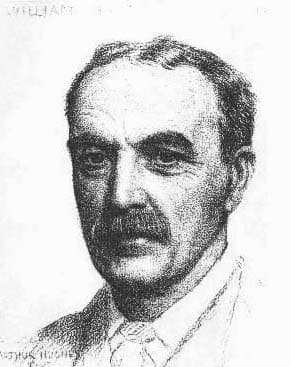
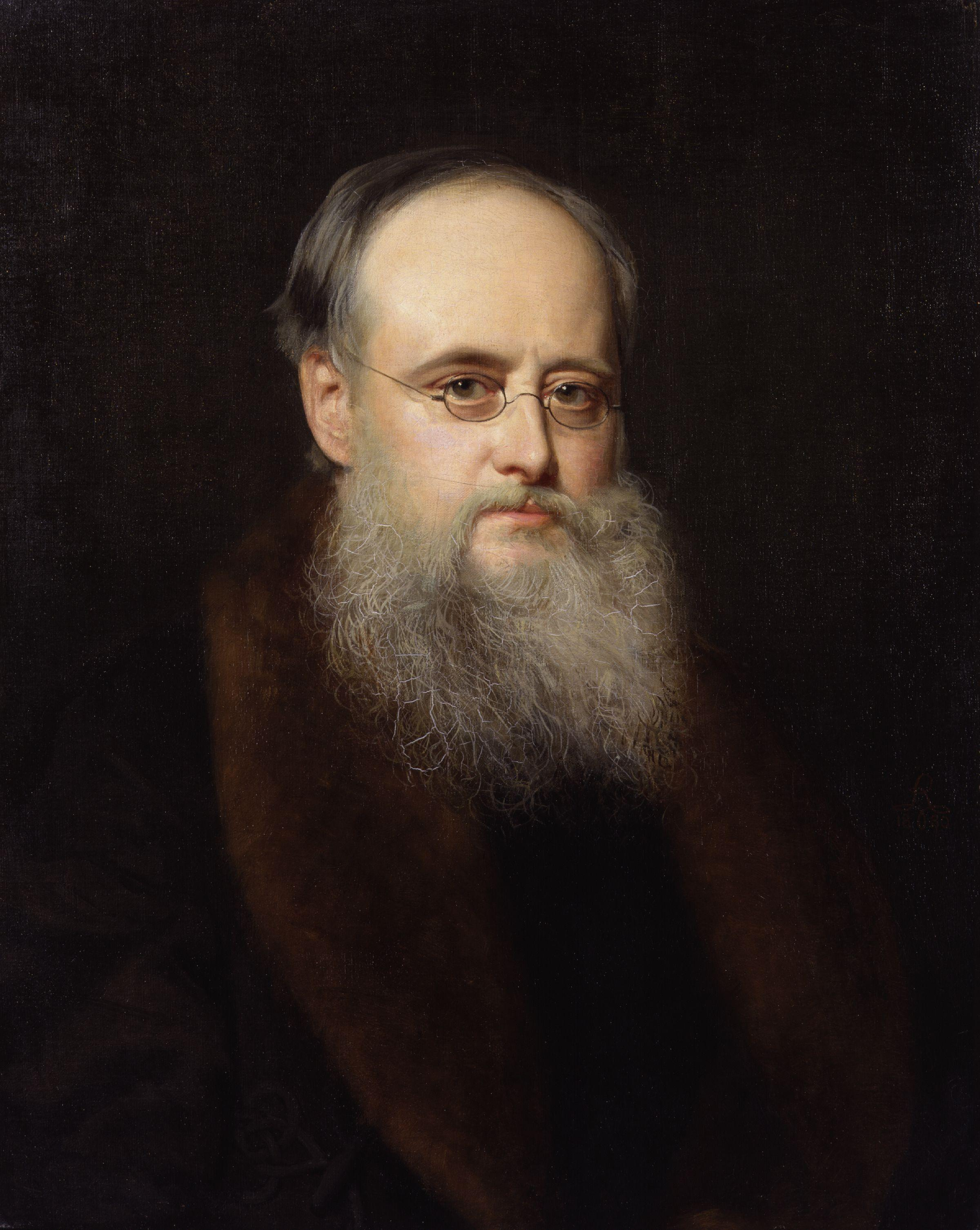
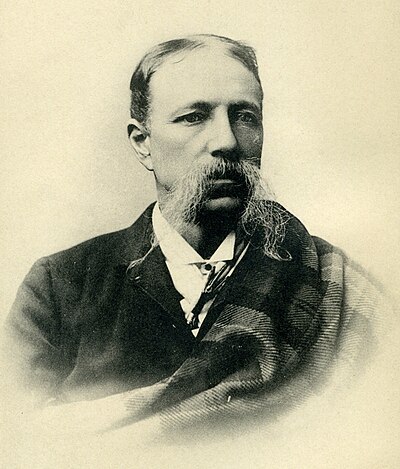
William Hale White
William Hale White, who wrote under the pseudonym Mark Rutherford, was a British author and civil servant known for his introspective and philosophical novels. Born in a modest family, he spent much of his early life in the English countryside, which influenced his literary themes of individuality and the search for meaning. His most notable works include 'The Autobiography of Mark Rutherford' and 'Mark Rutherford's Deliverance,' which explore the complexities of faith, doubt, and personal identity, reflecting his own struggles with religious beliefs and societal expectations. Rutherford's writing is significant for its psychological depth and its candid exploration of the inner lives of his characters, making him a precursor to later modernist writers. His use of a pseudonym and the collaborative nature of some of his works, where he was assisted by friend Reuben Shapcott, highlight his reclusive nature and desire for privacy. Despite his relatively low profile during his lifetime, his contributions to literature have been recognized for their innovative narrative style and profound insights into the human condition, securing his legacy as an important figure in Victorian literature.
Famous Quotes
View all 1 quotes“Whenever anybody whom we love dies, we discover that although death is commonplace it is terribly original. We may have thought about it all our lives, but if it comes close to us, it is quite a new, strange thing to us, for which we are entirely unprepared. It may, perhaps, not be the bare loss so much as the strength of the bond which is broken that is the surprise, and we are debtors in a way to death for revealing something in us which ordinary life disguises.”
Books from the author









Link to this page
Add a free, dofollow link to Lex on your blog, forum, syllabus, or reading list.

<a href="https://lex-books.com/author/william-hale-white"><img src="https://lex-books.com/badges/read-on-lex.svg" alt="William Hale White on Lex" width="160" height="40"></a>[](https://lex-books.com/author/william-hale-white)[url=https://lex-books.com/author/william-hale-white][img]https://lex-books.com/badges/read-on-lex.svg[/img][/url]William Hale White on Lex: https://lex-books.com/author/william-hale-white