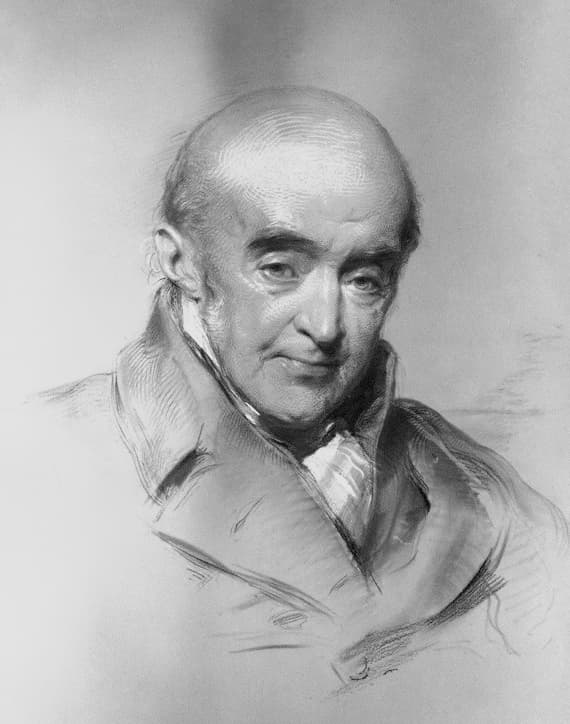
Samuel Rogers
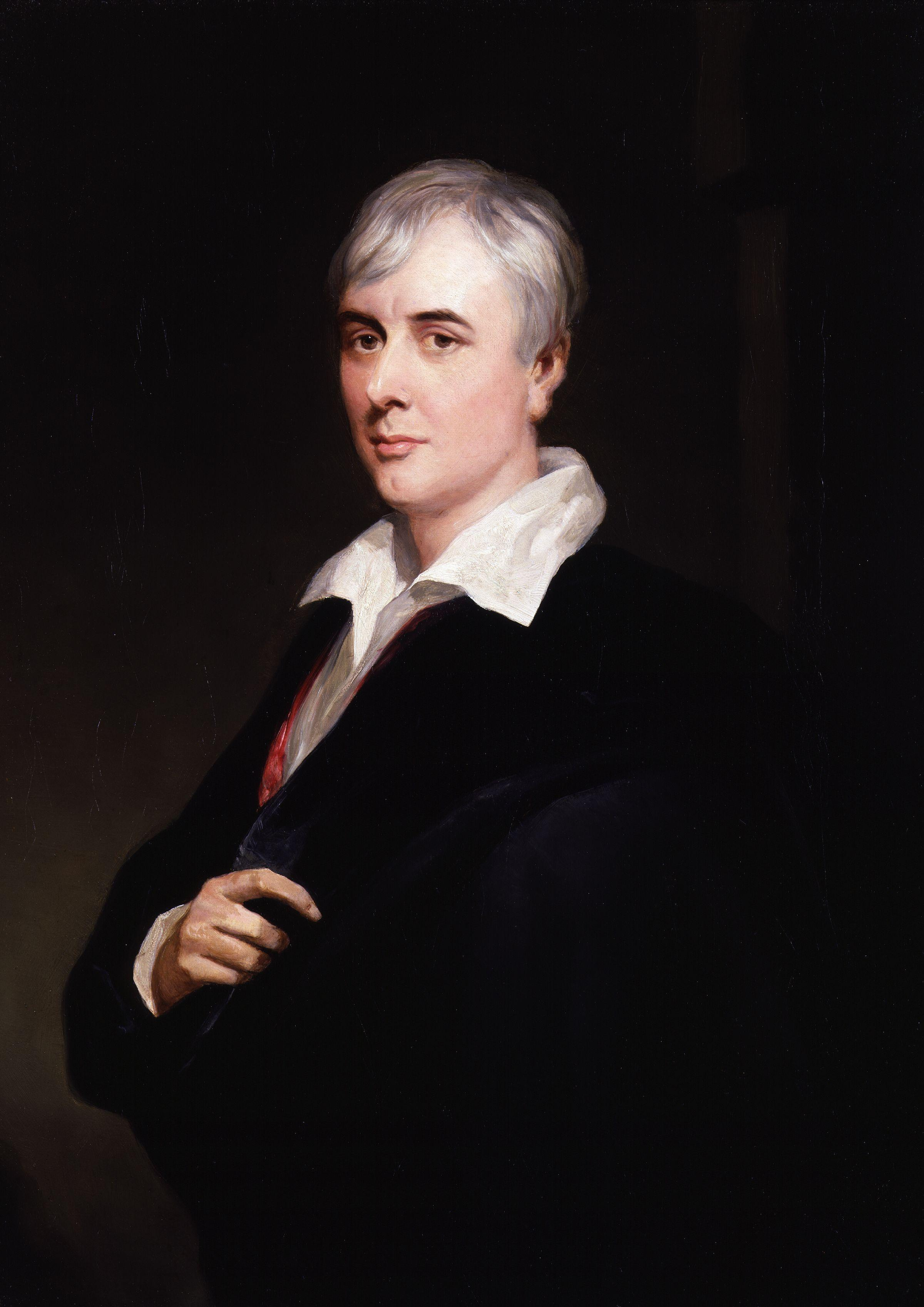
Samuel Rogers was an English poet renowned in his time for his lyrical prowess and social connections within London's artistic circles. Born into a prosperous banking family, he leveraged his wealth not only to support his literary friends, such as Wordsworth, Coleridge, and Byron, but also to cultivate a remarkable collection of art. His poetry, characterized by its elegance and reflective nature, includes notable works like 'The Pleasures of Memory' and 'Italy,' which showcase his ability to blend personal sentiment with broader themes of beauty and nostalgia. Though his fame has waned compared to his Romantic contemporaries, Rogers's contributions to poetry and his role as a patron of the arts were significant. His recollections of the literary and political figures of his time provide invaluable insights into the cultural milieu of early 19th-century England. Rogers's legacy lies not only in his poetry but also in his influence on the literary community, making him a key figure in the history of English literature, despite being overshadowed by his peers.
Famous Quotes
View all 3 quotes“Almost all men are over anxious. No sooner do they enter the world than they lose that taste for natural and simple pleasures so remarkable in early life. Every hour do they ask themselves what progress they have made in the pursuit of wealth or honor and on they go as their fathers went before them till weary and sick at heart they look back with a sigh of regret to the golden time of their childhood.”
“It doesn’t much signify whom one marries, for one is sure to find next morning that it was someone else.”
“Pleasures of Memory!—oh supremely blest, And justly proud beyond a Poet's praise; If the pure confines of thy tranquil breast Contain, indeed, the subject of thy lays! By me how envied!—for to me, The herald still of misery, Memory makes her influence known By sighs, and tears, and grief alone: I greet her as the fiend, to whom belong The vulture's ravening beak, the raven's funeral song. She tells of time mispent, of comfort lost, Of fair occasions gone for ever by; Of hopes too fondly nurs'd, too rudely cross'd, Of many a cause to wish, yet fear to die; For what, except th' instinctive fear Lest she survive, detains me here, When "all the life of life" is fled?— What, but the deep inherent dread, Lest she beyond the grave resume her reign, And realize the hell that priests and beldams feign?”
Books from the author






Link to this page
Add a free, dofollow link to Lex on your blog, forum, syllabus, or reading list.

<a href="https://lex-books.com/author/samuel-rogers"><img src="https://lex-books.com/badges/read-on-lex.svg" alt="Samuel Rogers on Lex" width="160" height="40"></a>[](https://lex-books.com/author/samuel-rogers)[url=https://lex-books.com/author/samuel-rogers][img]https://lex-books.com/badges/read-on-lex.svg[/img][/url]Samuel Rogers on Lex: https://lex-books.com/author/samuel-rogers