Richard Fowler
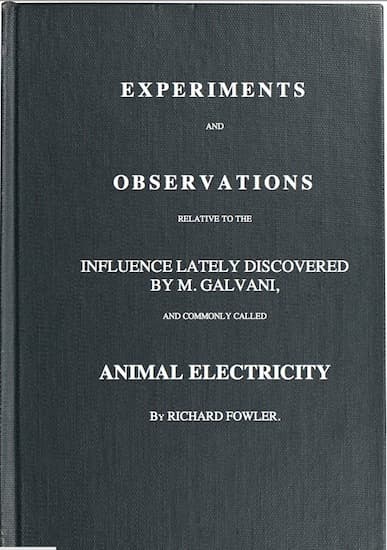
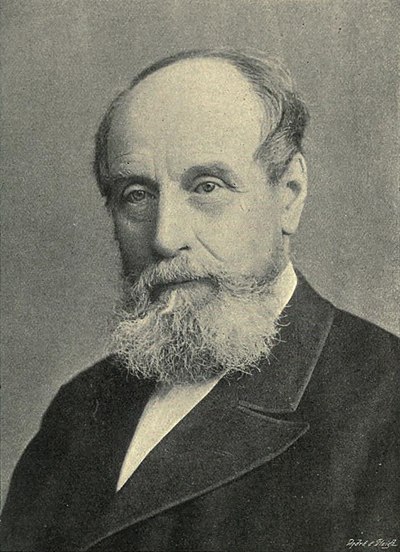
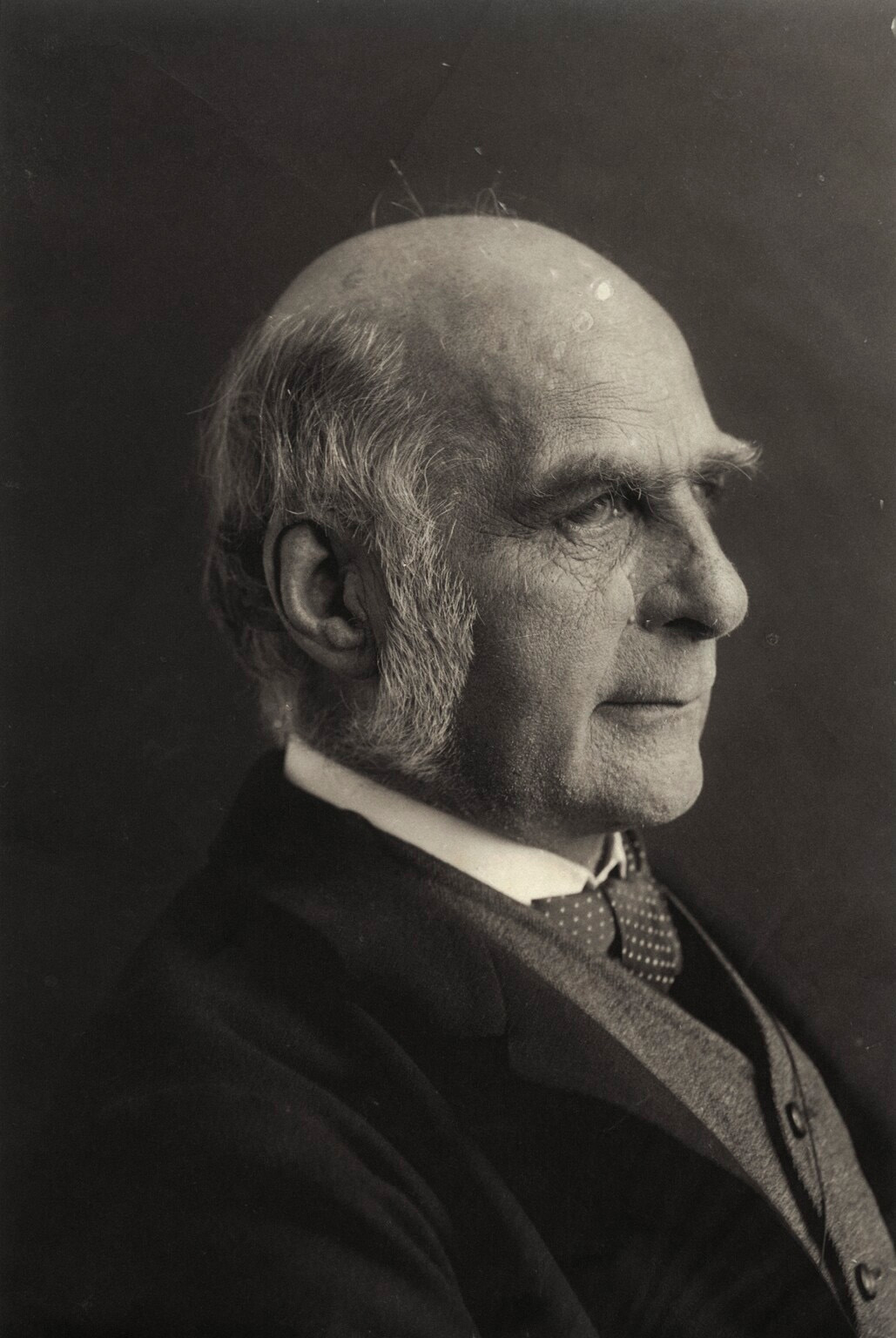
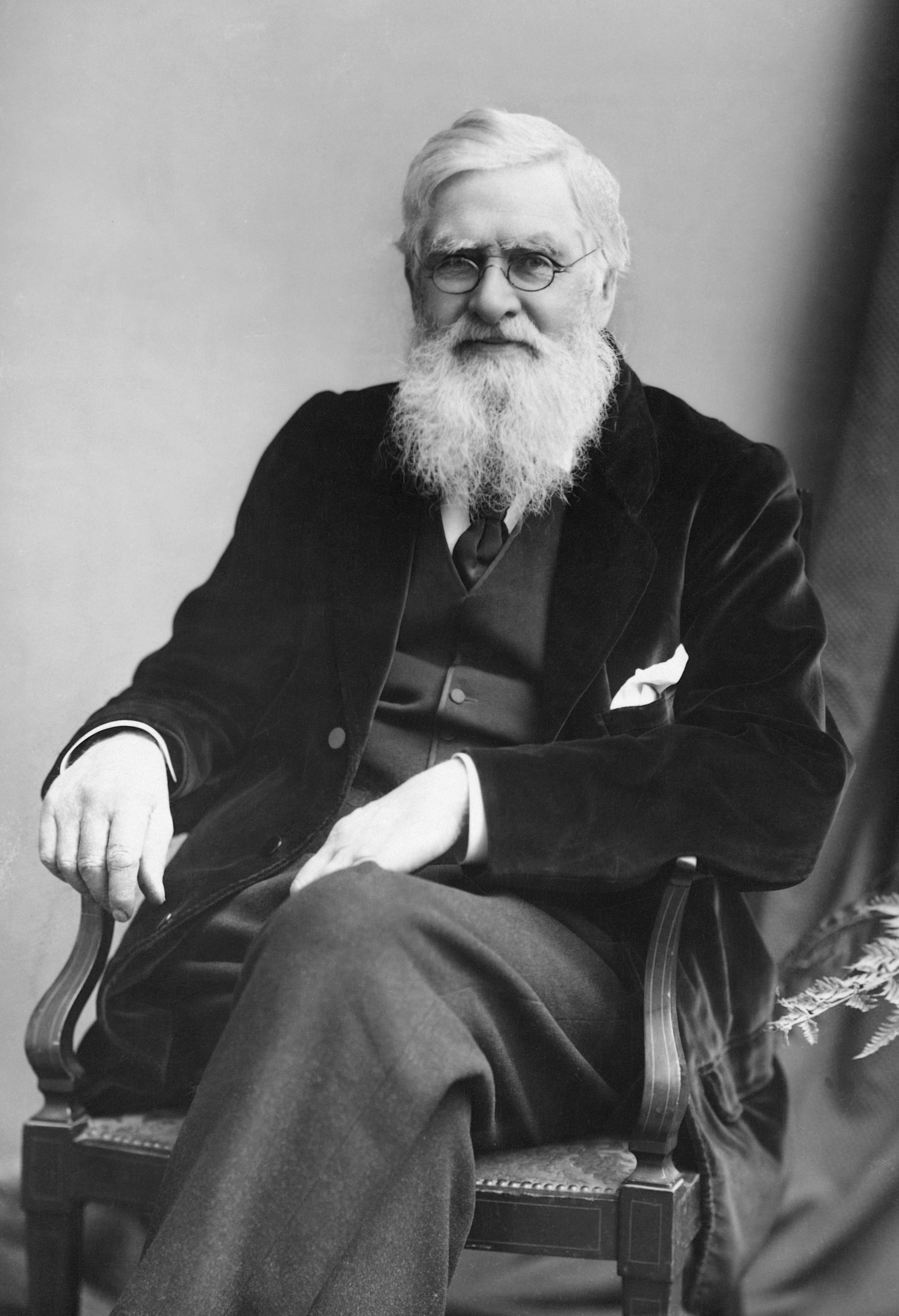
Richard Fowler was an English scientist and writer, notable for his contributions to the early field of bioelectricity. His most significant work, "Experiments and Observations Relative to the Influence Lately Discovered by M. Galvani and Commonly Called Animal Electricity," explored the phenomenon of animal electricity, a concept that emerged from the groundbreaking experiments of Luigi Galvani. Fowler's investigations into the electrical properties of living organisms not only advanced scientific understanding at the time but also laid groundwork for future studies in physiology and bioelectricity. Fowler's work came during a period of intense scientific inquiry in the late 18th and early 19th centuries, a time when the boundaries of natural philosophy were being pushed by the likes of Galvani and Alessandro Volta. His writings contributed to the discourse surrounding the nature of electricity and its relationship to life, influencing contemporaries and subsequent generations of scientists. Although not as widely recognized today, Fowler's explorations into animal electricity reflect the curiosity and innovation that characterized the scientific revolution of his era, marking him as a significant figure in the history of science.
Famous Quotes
View all 2 quotes“Frequently I remember something H. Richard Niebuhr wrote after having spent a number years trying to formulate a comprehensive perspective on faith. He likens faith to a cube. From any one angle of vision, he points out, the observer can see and describe at least three sides of the cube. But the cube has back sides, a bottom and insides as well. Several angles of vision have to be coordinated simultaneously to do any real justice in a characterization of faith””
“Richard Oastler, wrote in the Northern Star in 1838 that ‘the real object of [the New Poor Law] … is to lower wages and punish poverty as a crime. Remember also that children and parents are lying frequently in the same Bastille without seeing one another or knowing the other’s fate’.””
Books from the author


Link to this page
Add a free, dofollow link to Lex on your blog, forum, syllabus, or reading list.

<a href="https://lex-books.com/author/richard-fowler"><img src="https://lex-books.com/badges/read-on-lex.svg" alt="Richard Fowler on Lex" width="160" height="40"></a>[](https://lex-books.com/author/richard-fowler)[url=https://lex-books.com/author/richard-fowler][img]https://lex-books.com/badges/read-on-lex.svg[/img][/url]Richard Fowler on Lex: https://lex-books.com/author/richard-fowler