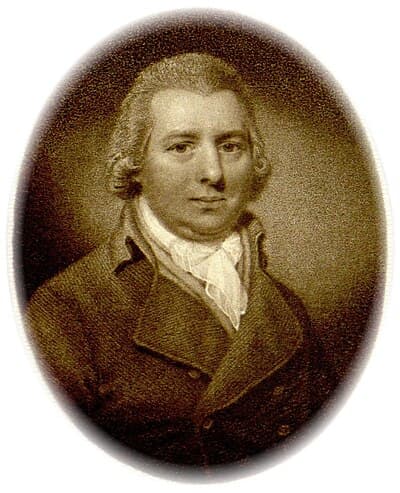
William Curtis
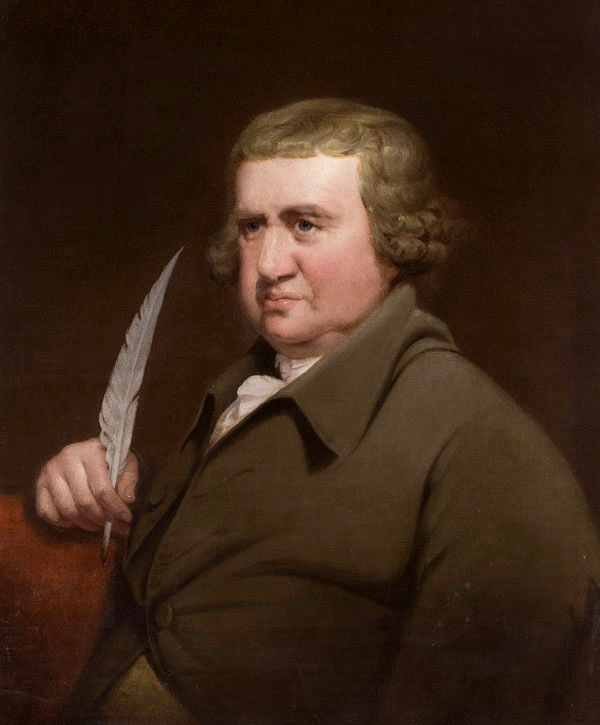
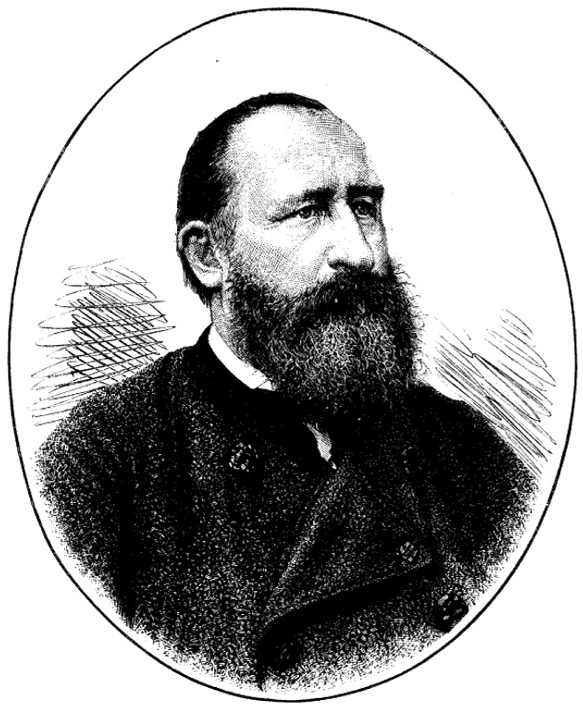
William Curtis was an influential English botanist and entomologist whose work significantly advanced the field of natural history in the late 18th century. Born in Alton, Hampshire, he initially trained as an apothecary before shifting his focus to botany. At just 25 years old, he published 'Instructions for Collecting and Preserving Insects,' which became a foundational text for entomologists, particularly in the study of moths and butterflies. His role as demonstrator of plants and Praefectus Horti at the Chelsea Physic Garden from 1771 to 1777 further solidified his reputation in the botanical community. Curtis's most notable contributions include 'Flora Londinensis,' a groundbreaking six-volume work published between 1777 and 1798 that explored the flora of urban London, making it one of the first comprehensive studies of city-based plant life. Although he did not achieve financial success, his establishment of 'The Botanical Magazine' in 1787 marked a significant advancement in botanical literature, featuring exquisite hand-colored plates by renowned artists like James Sowerby and Sydenham Edwards. Curtis's legacy lies in his ability to engage a broader audience with the wonders of botany and entomology, paving the way for future generations of naturalists and contributing to the popularization of scientific knowledge in his time.
Famous Quotes
View all 6 quotes“A man's country is not a certain area of land, of mountains, rivers, and woods, but it is a principle; and patriotism is loyalty to that principle.””
“Books are the ever burning lamps of accumulated wisdom.””
“Fear is a Dangerous Animal.Best kept on a short leash...””
Books from the author









Link to this page
Add a free, dofollow link to Lex on your blog, forum, syllabus, or reading list.

<a href="https://lex-books.com/author/william-curtis"><img src="https://lex-books.com/badges/read-on-lex.svg" alt="William Curtis on Lex" width="160" height="40"></a>[](https://lex-books.com/author/william-curtis)[url=https://lex-books.com/author/william-curtis][img]https://lex-books.com/badges/read-on-lex.svg[/img][/url]William Curtis on Lex: https://lex-books.com/author/william-curtis