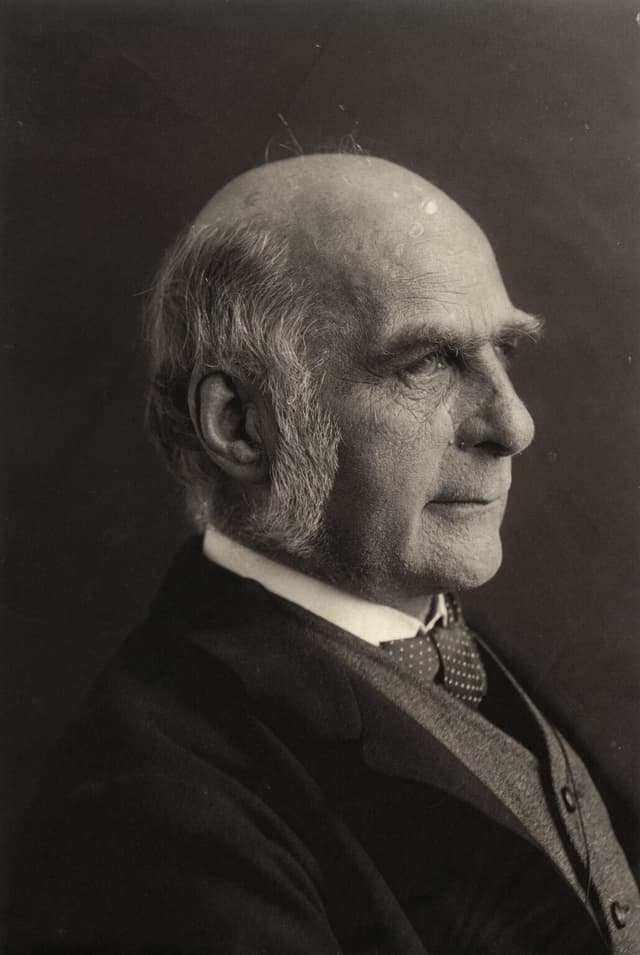
Francis Galton
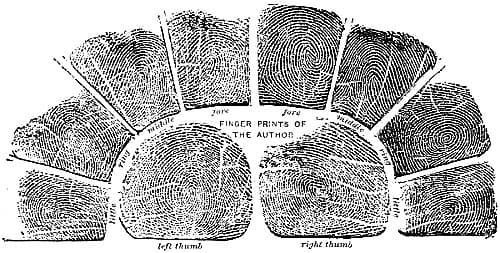
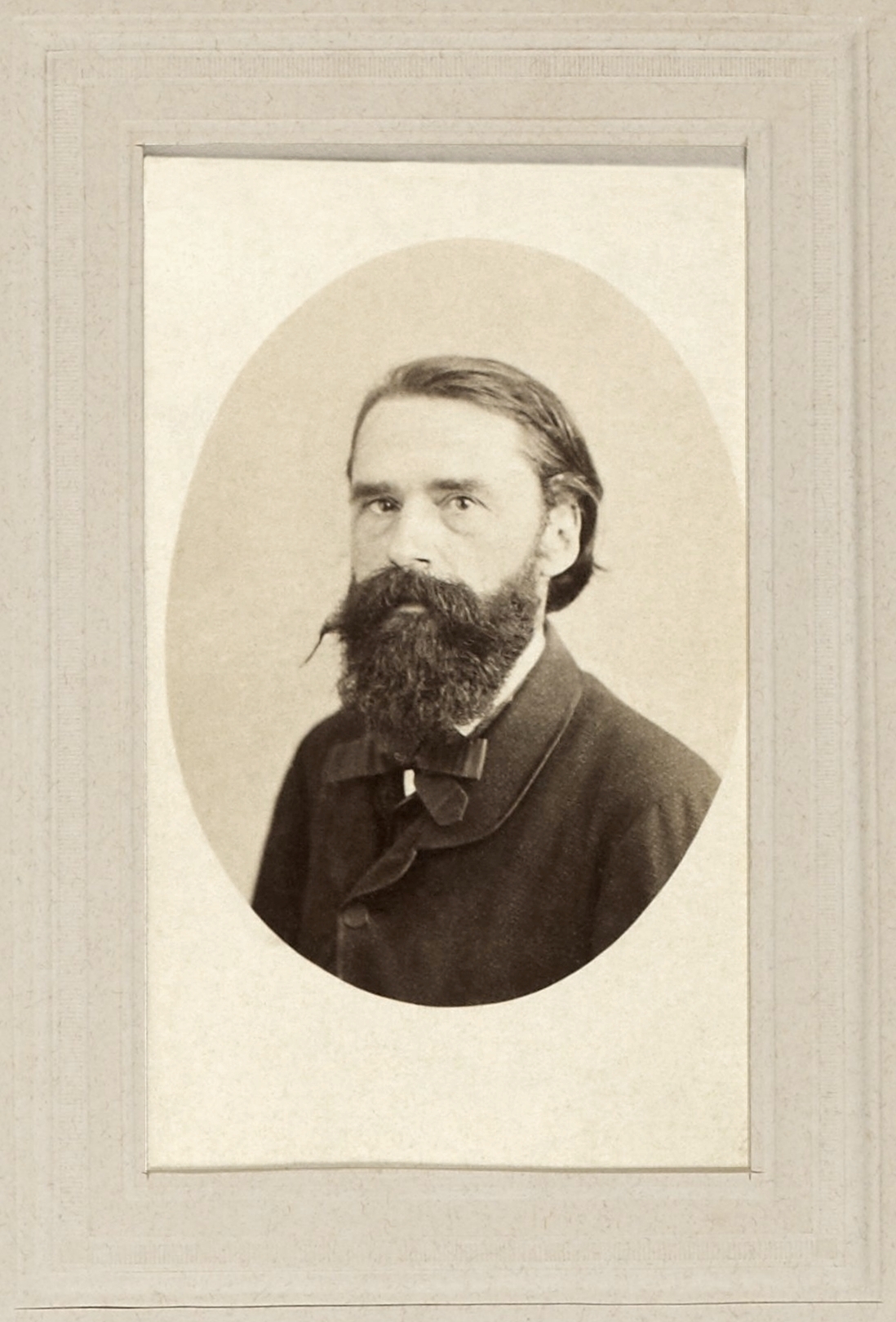
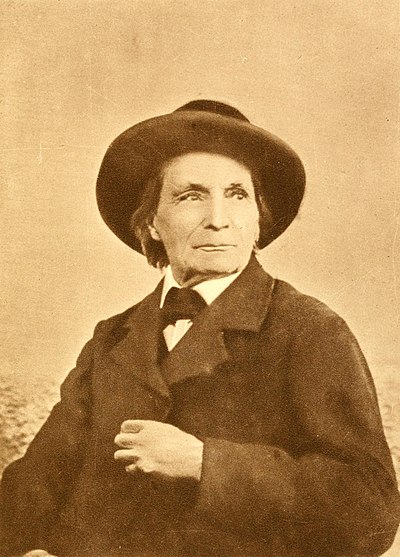
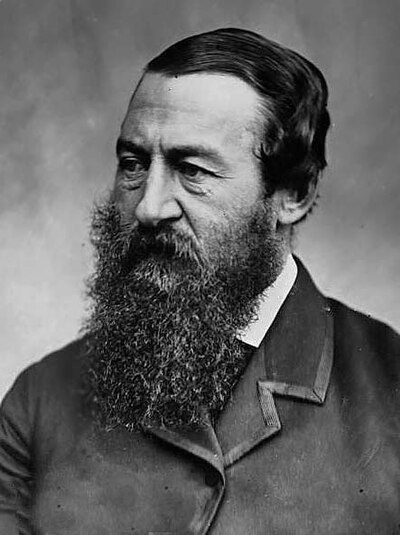
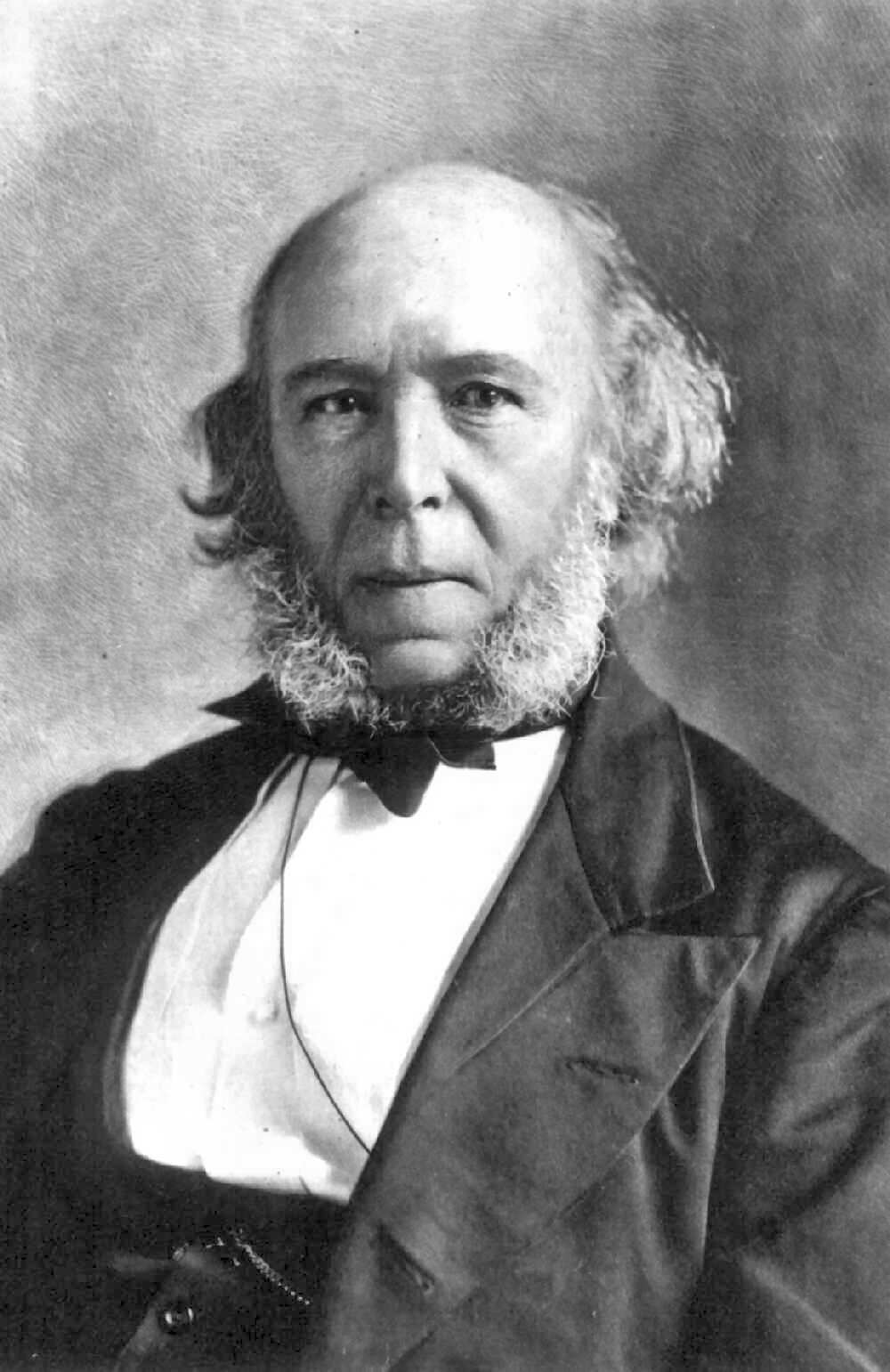
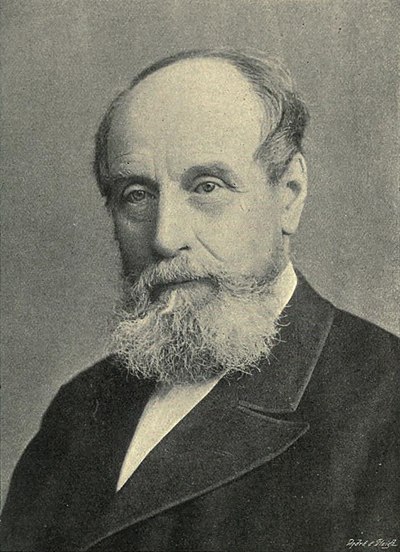
Sir Francis Galton was an English polymath whose pioneering work laid the foundations for eugenics and behavioral genetics during the Victorian era. He authored over 340 papers and books, significantly advancing the fields of statistics and psychology. Galton introduced the concept of correlation and promoted the idea of regression toward the mean, applying statistical methods to the study of human differences and the inheritance of intelligence. His influential book, Hereditary Genius (1869), marked the first social scientific exploration of genius and greatness, while his research into psychometrics and differential psychology established him as a key figure in the study of human behavior. In addition to his contributions to psychology and statistics, Galton was a pioneer in scientific meteorology, creating the first weather map and proposing theories on anticyclones. He also developed a method for classifying fingerprints, which became crucial in forensic science. His diverse interests extended to the study of prayer and even the optimal way to brew tea. A half-cousin of Charles Darwin, Galton's legacy is marked by his controversial ideas and methodologies, which have sparked ongoing debates in both scientific and ethical realms. He was knighted in 1909 for his significant contributions to science, leaving a complex legacy that continues to influence contemporary discussions on genetics and human behavior.
Famous Quotes
View all 3 quotes“Men who leave their mark on the world are very often those who, being gifted and full of nervous power, are at the same time haunted and driven by a dominant idea, and are therefore within a measurable distance of insanity.”
“Poor humanity! I often feel that the tableland of sanity upon which most of us dwell, is small in area, with unfenced precipices on every side, over any one of which we may fall.”
“Some mechanism ought to be devised for shaking elderly people in a healthful way, and in many directions.”
Books from the author

Link to this page
Add a free, dofollow link to Lex on your blog, forum, syllabus, or reading list.

<a href="https://lex-books.com/author/francis-galton"><img src="https://lex-books.com/badges/read-on-lex.svg" alt="Francis Galton on Lex" width="160" height="40"></a>[](https://lex-books.com/author/francis-galton)[url=https://lex-books.com/author/francis-galton][img]https://lex-books.com/badges/read-on-lex.svg[/img][/url]Francis Galton on Lex: https://lex-books.com/author/francis-galton