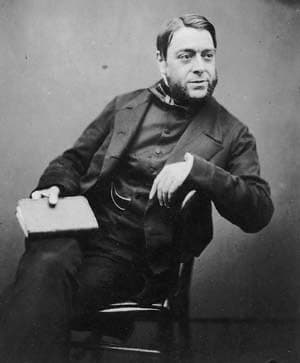
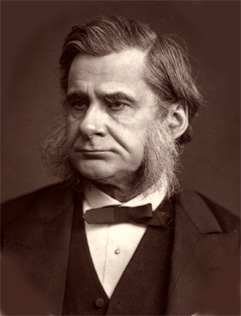
Philip Henry Gosse
Philip Henry Gosse was an influential English naturalist and a pioneering figure in marine biology and ornithology. Known as the 'Father of the Aquarium,' he established the world's first public marine aquarium at London Zoo in 1853, coining the term 'aquarium' in the process. His seminal work, The Aquarium: An Unveiling of the Wonders of the Deep Sea, published in 1854, ignited a fascination for aquariums in mid-Victorian England, making marine life accessible to the public and inspiring a wave of similar establishments across the country. Gosse's meticulous scientific illustrations and writings contributed significantly to the popularization of natural science during his time. In addition to his scientific achievements, Gosse was a prominent member of the British evangelical movement known as the Brethren, where he dedicated much of his life to lecturing and evangelizing. His complex relationship with religion and science was later scrutinized by his son, Edmund W. Gosse, in the memoir Father and Son, which depicted Philip as a strict father with uncompromising beliefs. This portrayal has been challenged by contemporary scholarship, revealing a more nuanced understanding of Gosse's life and work. His legacy endures not only through his contributions to natural history but also through the ongoing discussions about the interplay between faith and science in the Victorian era.
Famous Quotes
View all 2 quotes“But stay; suppose you just transport yourself (in imagination) to Alabama, and spend the day with me. I will be your cicerone, will point out to you all the birds and insects, and tell you "all about 'em;" and, as Hood's schoolboy says, "I'll show you the wasp's nest, and everything that can make you comfortable.”
“ECAPE OF THE LOVELY LADY JULIA DE GONZAGA Stories that he heard on his progress of the lovely Julia Gonzaga, Duchess of Trajetto and Countess of Fondi, next tempted him to an exploit of a somewhat different character. The young widow was the most famous beauty in Italy; no fewer than two hundred and eight Italian poets had written verses in her honour and the device emblazoned on her shield was the Flower of Love. It occurred to the corsair that she would make an excellent token of his devotion to his new lord, Suleyman the Magnificent. The lady was at Fondi. Thither the pirate travelled, swiftly and by night. But the fame of his presence preceded him and the lady had just time to leap from her bed and gallop off on horseback dressed in the flimsiest of night garments and accompanied by one male attendant. She managed to escape, and afterwards condemned the attendant to death because, she alleged, he had been unduly familiar during that desperate nocturnal ride. Kheyr-ed-din, annoyed at the escape of his sultan’s fair prize, gave over the town of Fondi to a terrible four hours’ punishment at the hands of his men.”
Books from the author
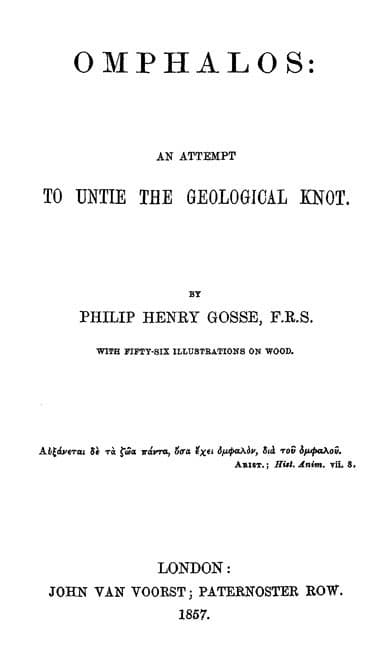
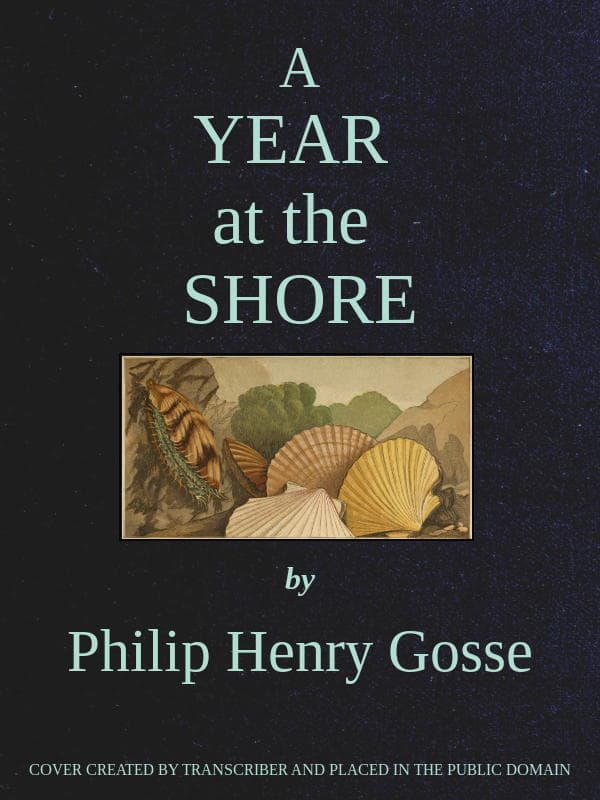



Link to this page
Add a free, dofollow link to Lex on your blog, forum, syllabus, or reading list.

<a href="https://lex-books.com/author/philip-henry-gosse"><img src="https://lex-books.com/badges/read-on-lex.svg" alt="Philip Henry Gosse on Lex" width="160" height="40"></a>[](https://lex-books.com/author/philip-henry-gosse)[url=https://lex-books.com/author/philip-henry-gosse][img]https://lex-books.com/badges/read-on-lex.svg[/img][/url]Philip Henry Gosse on Lex: https://lex-books.com/author/philip-henry-gosse