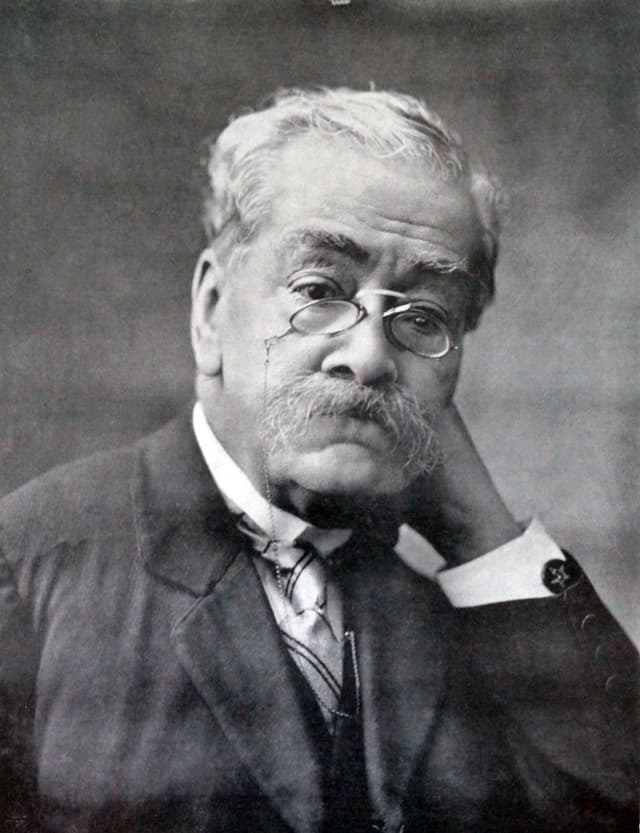
Ricardo Palma
Ricardo Palma was a prominent Peruvian author, scholar, and politician, best known for his influential work, "Tradiciones peruanas." This collection of stories, published in the late 19th century, blended folklore, history, and personal anecdotes, capturing the essence of Peruvian culture and identity. Palma's writing style was characterized by its wit and narrative flair, making his tales both entertaining and educational. His work played a crucial role in the development of a national literature in Peru, as he sought to preserve and celebrate the country's rich traditions and history. In addition to his literary contributions, Palma served as a librarian and held various political positions, reflecting his commitment to public service and education. His efforts in promoting literature and culture in Peru left a lasting impact on future generations of writers. Palma's legacy endures not only through his stories but also as a pioneer of the narrative tradition in Latin American literature, influencing subsequent authors who explored themes of national identity and cultural heritage.
Famous Quotes
View all 2 quotes“avaro hasta el extremo de que si en vez de nacer hombre hubiera nacido reloj, por no dar no habría dado ni las horas,”
“El padre Blas Valera (cuzqueño) dice que cuando cantaban los gallos, los indios creían que lloraban por la muerte del inca, por lo cual llamaron al gallo hualpa.”
Books from the author




Link to this page
Add a free, dofollow link to Lex on your blog, forum, syllabus, or reading list.

<a href="https://lex-books.com/author/ricardo-palma"><img src="https://lex-books.com/badges/read-on-lex.svg" alt="Ricardo Palma on Lex" width="160" height="40"></a>[](https://lex-books.com/author/ricardo-palma)[url=https://lex-books.com/author/ricardo-palma][img]https://lex-books.com/badges/read-on-lex.svg[/img][/url]Ricardo Palma on Lex: https://lex-books.com/author/ricardo-palma