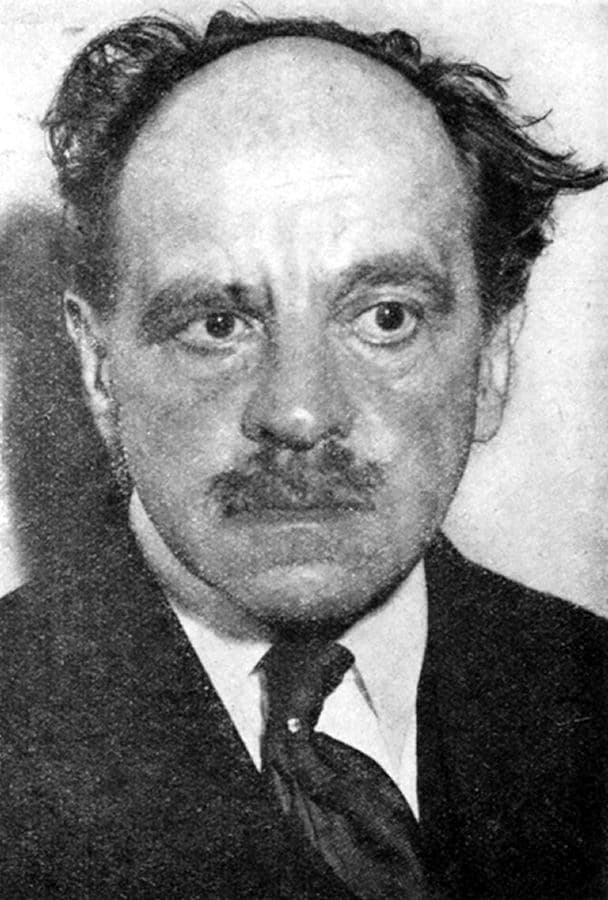
Jakob Wassermann
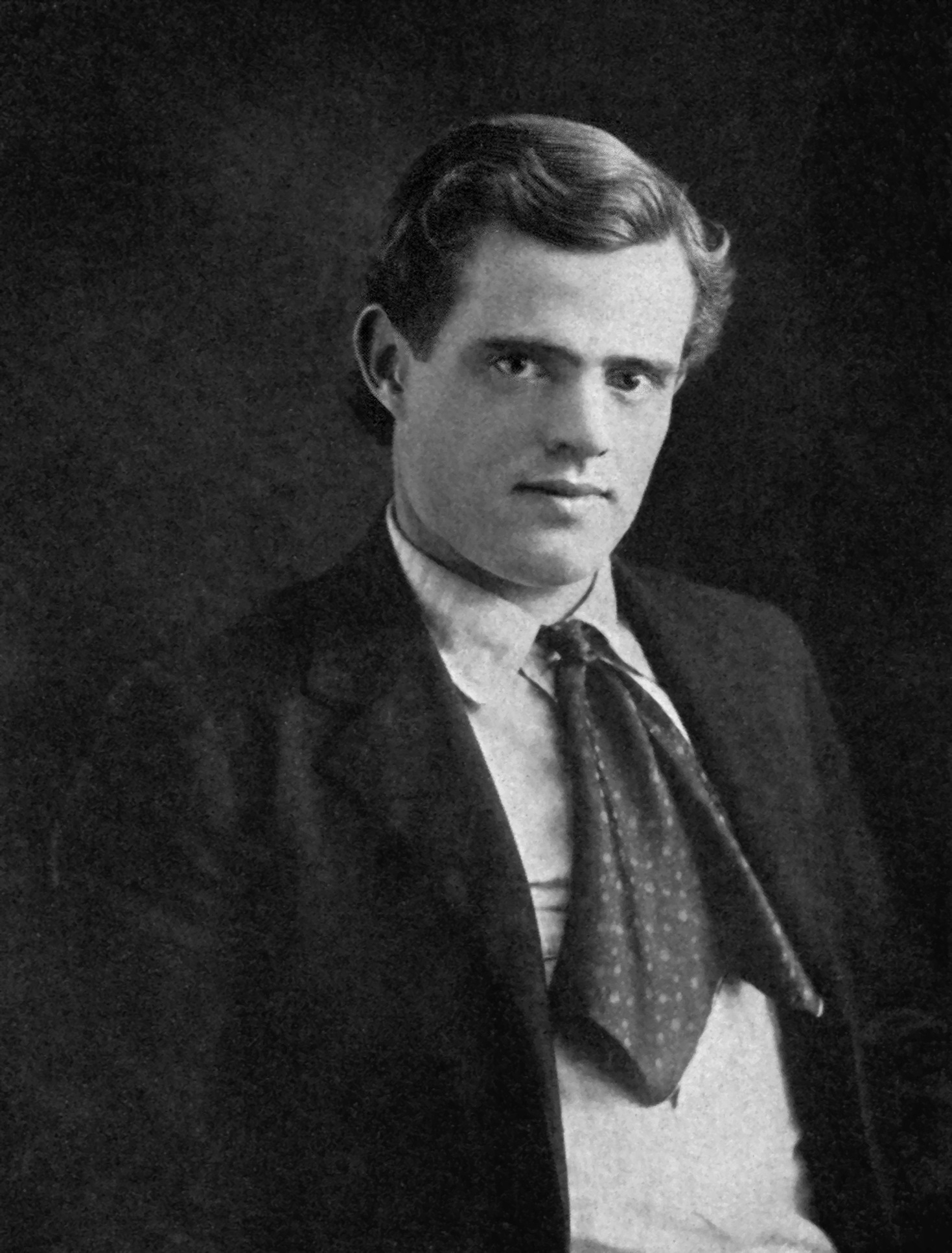
Jakob Wassermann was a prominent German writer known for his novels that often explored themes of identity, morality, and the human condition. Born in a Jewish family in the city of Fürth, Wassermann's early life was marked by a rich cultural environment that influenced his literary pursuits. He began his career as a journalist and gradually transitioned into fiction, gaining recognition for his insightful character studies and narrative style. His notable works include 'Caspar Hauser' and 'The World as Will and Representation,' which reflect his philosophical inclinations and deep understanding of human psychology. Wassermann's literary significance lies in his ability to blend psychological depth with social critique, making him a key figure in early 20th-century German literature. His exploration of existential themes and the complexities of human relationships resonated with contemporary readers and later generations. Despite facing challenges due to his Jewish heritage during the rise of the Nazi regime, Wassermann's works continued to be celebrated for their artistic merit and intellectual rigor. His legacy endures as a testament to the power of literature to confront societal issues and delve into the intricacies of the human experience.
Famous Quotes
View all 3 quotes“The way individuals live together. The truth of each individual is only the truth of his own narrow perspective. The entirety of mankind and of human qualities is always seen through a prisim, where its colours are broken. Observation is so utterly different from experinnce; there is no hope of fusing their contardictions, as the I and the not-I have been foes from the world's beginning.”
“Von gesellschaftlicher Annäherung konnte nicht die Rede sein, menschliche Qualität wurde nicht einmal erwogen, Geist oder auch nur jede originelle Form der Äußerung erweckte sofort Argwohn, Beförderung über eine zugestandene Grenze hinaus kam nicht in Frage, alles, weil die bürgerliche Legitimation unter der Rubrik Glaubensbekenntnis die Bezeichnung Jude trug. Aber”
“Sicherlich spürte der Gefangene, spürte es schmerzlich, was die lüstern auf ihn gerichteten Blicke begehrten, und der Wunsch, ihnen zu willfahren, erzeugte möglicherweise die erste erhellende Dämmerung, welche ihm selbst die Vergangenheit langsam begreiflich machte, so daß er in beunruhigter Brust nach dem Gewesenen tastete, ein Gewesenes erst fühlte und die Gegenwart damit verband, im tiefsten schaudernd an der Zeit messen lernte, was sie verändernd mit ihm getan, und was er sah, mit dem verglich, was er ehedem gesehen.”
Books from the author
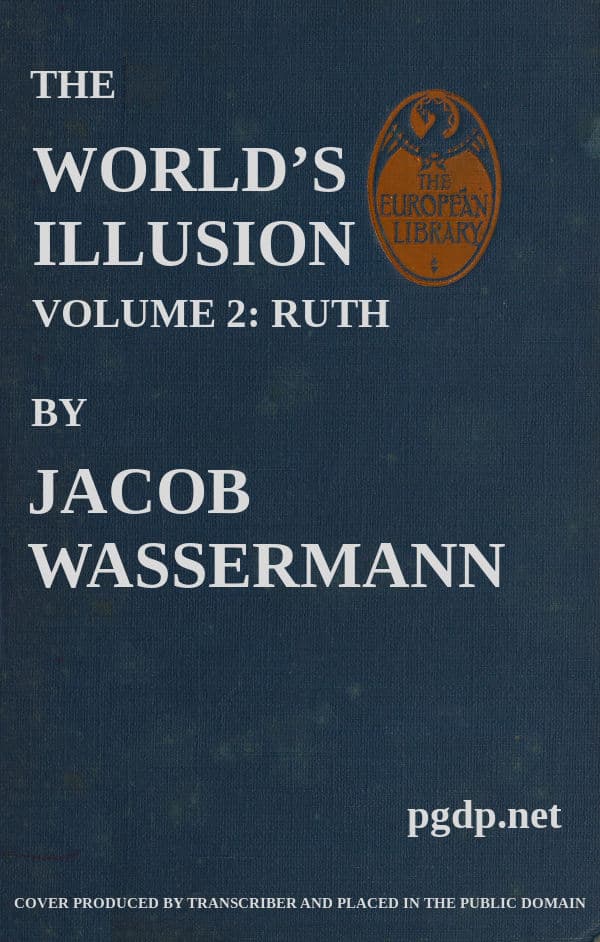
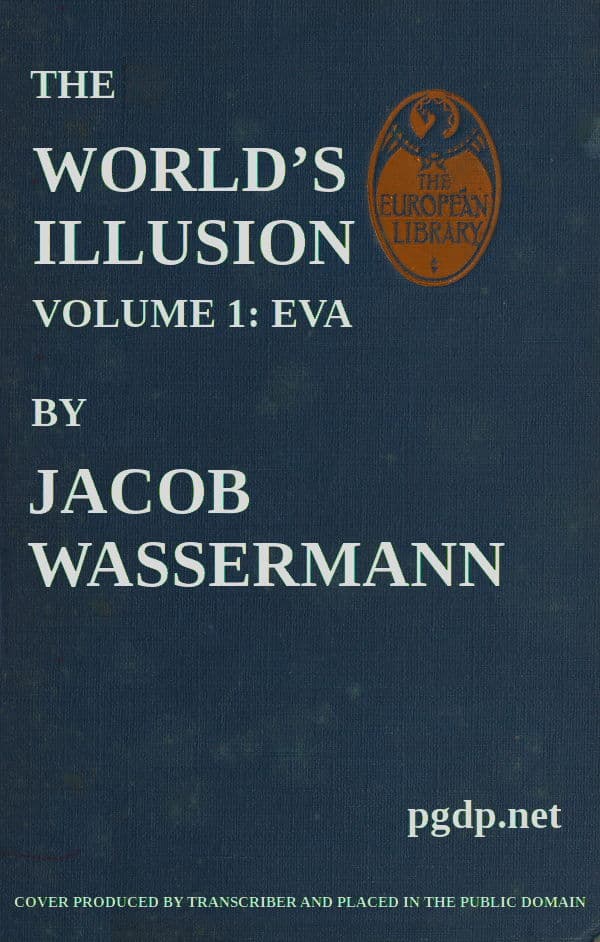
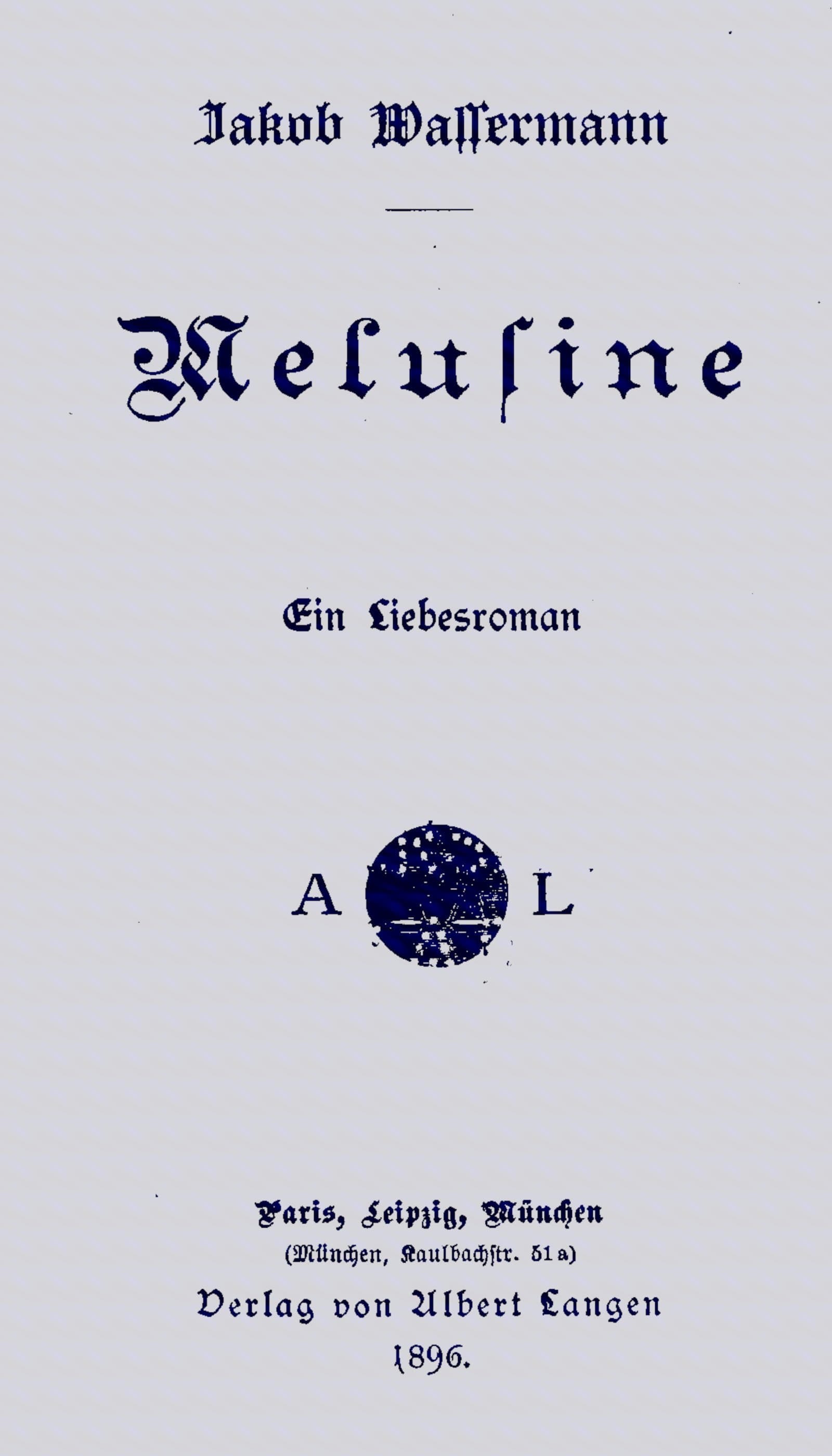


Link to this page
Add a free, dofollow link to Lex on your blog, forum, syllabus, or reading list.

<a href="https://lex-books.com/author/jakob-wassermann"><img src="https://lex-books.com/badges/read-on-lex.svg" alt="Jakob Wassermann on Lex" width="160" height="40"></a>[](https://lex-books.com/author/jakob-wassermann)[url=https://lex-books.com/author/jakob-wassermann][img]https://lex-books.com/badges/read-on-lex.svg[/img][/url]Jakob Wassermann on Lex: https://lex-books.com/author/jakob-wassermann