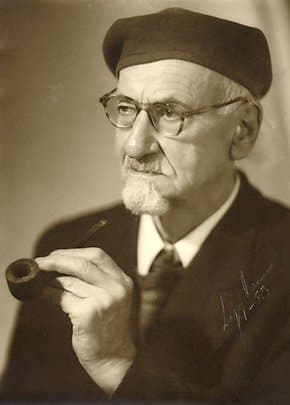
Ilmari Kianto
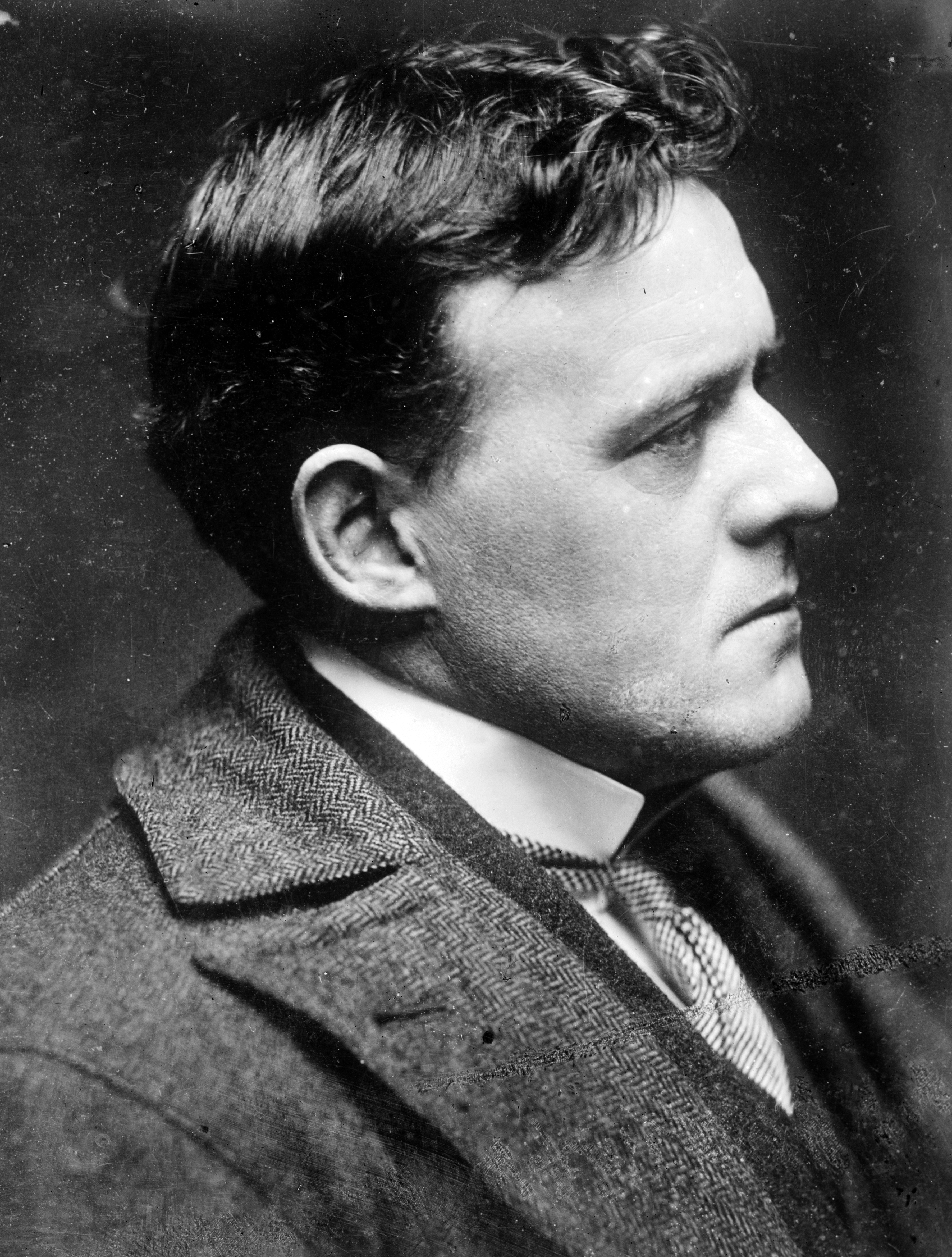
Ilmari Kianto was a prominent Finnish author known for his vivid portrayals of rural life in Finland, particularly in the Kainuu region. Born in Pulkkila, Northern Ostrobothnia, he gained recognition for his works that captured the essence of the Finnish landscape and its people. His most notable books, "Punainen viiva" (The Red Line) published in 1909 and "Ryysyrannan Jooseppi" in 1924, reflect his deep connection to the cultural and social issues of his time. Kianto's narratives often explored themes of identity and resilience, making significant contributions to Finnish literature during the early 20th century. In addition to his literary achievements, Kianto was known for his political views, aligning himself with Karelian irredentism and anti-communism. His influence extended beyond literature; his poem "Lastu lainehilla" (Driftwood) was set to music by composer Jean Sibelius, showcasing the intersection of Finnish literature and music. Kianto's works have been adapted into films, notably the 1955 adaptation of "Joseph of Ryysyranta" and the 1959 film "The Red Line," further cementing his legacy in Finnish culture. His contributions continue to be recognized, with adaptations like the opera based on his novel "The Red Line" composed by Aulis Sallinen in 1978, highlighting the enduring relevance of his storytelling.
Books from the author


Link to this page
Add a free, dofollow link to Lex on your blog, forum, syllabus, or reading list.

<a href="https://lex-books.com/author/ilmari-kianto"><img src="https://lex-books.com/badges/read-on-lex.svg" alt="Ilmari Kianto on Lex" width="160" height="40"></a>[](https://lex-books.com/author/ilmari-kianto)[url=https://lex-books.com/author/ilmari-kianto][img]https://lex-books.com/badges/read-on-lex.svg[/img][/url]Ilmari Kianto on Lex: https://lex-books.com/author/ilmari-kianto