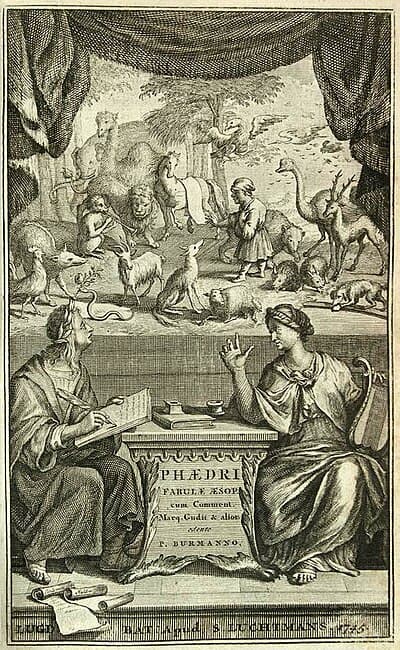
Phaedrus
Phaedrus was a Roman fabulist and poet, known primarily for his adaptations of Aesop's fables into Latin verse. Born a slave, he gained his freedom and became a prominent figure in the literary circles of the early Roman Empire. His works, particularly 'Fabulae' (Fables), are notable for their moral lessons and clever storytelling, often featuring anthropomorphic animals that reflect human virtues and vices. Phaedrus's fables are characterized by their succinctness and wit, making them accessible to a wide audience, and they played a crucial role in the tradition of fable literature that influenced later writers, including La Fontaine and Aesop's subsequent adaptations in various cultures. Phaedrus's contributions to literature extend beyond mere storytelling; he was instrumental in popularizing the fable genre in Latin literature. His collection, 'Fabularum Aesopiarum libri quinque,' consists of five books that not only preserve Aesop's original tales but also infuse them with a Roman sensibility. His ability to convey complex moral truths through simple narratives has ensured the enduring legacy of his work, which continues to be studied and translated into various languages. The fables of Phaedrus remain a testament to the power of storytelling in imparting ethical lessons and entertaining audiences across generations.
Famous Quotes
View all 1 quotes“Things are not always what they seem; the first appearance deceives many; the intelligence of a few perceives what has been carefully hidden.””
Books from the author









Link to this page
Add a free, dofollow link to Lex on your blog, forum, syllabus, or reading list.

<a href="https://lex-books.com/author/phaedrus"><img src="https://lex-books.com/badges/read-on-lex.svg" alt="Phaedrus on Lex" width="160" height="40"></a>[](https://lex-books.com/author/phaedrus)[url=https://lex-books.com/author/phaedrus][img]https://lex-books.com/badges/read-on-lex.svg[/img][/url]Phaedrus on Lex: https://lex-books.com/author/phaedrus