Sūdraka
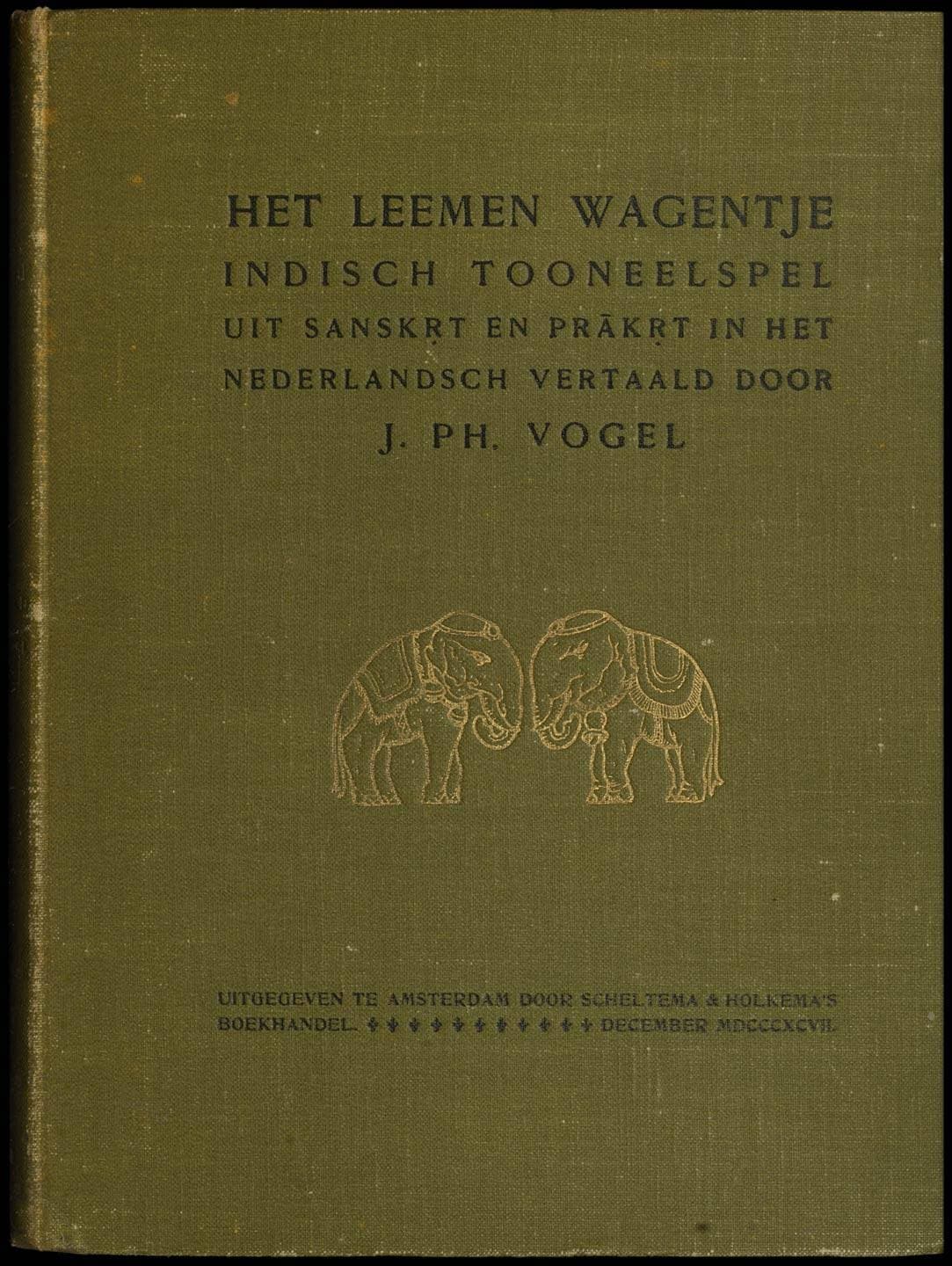
Sūdraka was an ancient Indian playwright and poet, renowned for his contributions to Sanskrit literature during the early centuries of the Common Era. His most celebrated work, 'The Little Clay Cart' (mṛcchakaṭika), is a seminal play that combines elements of romance, comedy, and social commentary. The narrative revolves around the love story of a nobleman and a courtesan, set against the backdrop of a vibrant urban society. This play is notable for its intricate character development and its exploration of themes such as love, morality, and the complexities of human relationships. Sūdraka's ability to weave humor with poignant social critique has earned him a lasting place in the canon of classical Indian drama. In addition to 'The Little Clay Cart,' Sūdraka's works have been influential in the evolution of Indian theatre, showcasing the rich cultural and artistic heritage of ancient India. His plays often reflect the societal norms and challenges of his time, providing insight into the human condition that resonates across centuries. Despite the passage of time, Sūdraka's legacy endures, as his works continue to be studied and performed, highlighting the timeless nature of his storytelling and the universal themes he explored.
Books from the author







Link to this page
Add a free, dofollow link to Lex on your blog, forum, syllabus, or reading list.

<a href="https://lex-books.com/author/sūdraka"><img src="https://lex-books.com/badges/read-on-lex.svg" alt="Sūdraka on Lex" width="160" height="40"></a>[](https://lex-books.com/author/sūdraka)[url=https://lex-books.com/author/sūdraka][img]https://lex-books.com/badges/read-on-lex.svg[/img][/url]Sūdraka on Lex: https://lex-books.com/author/sūdraka