
Apuleius
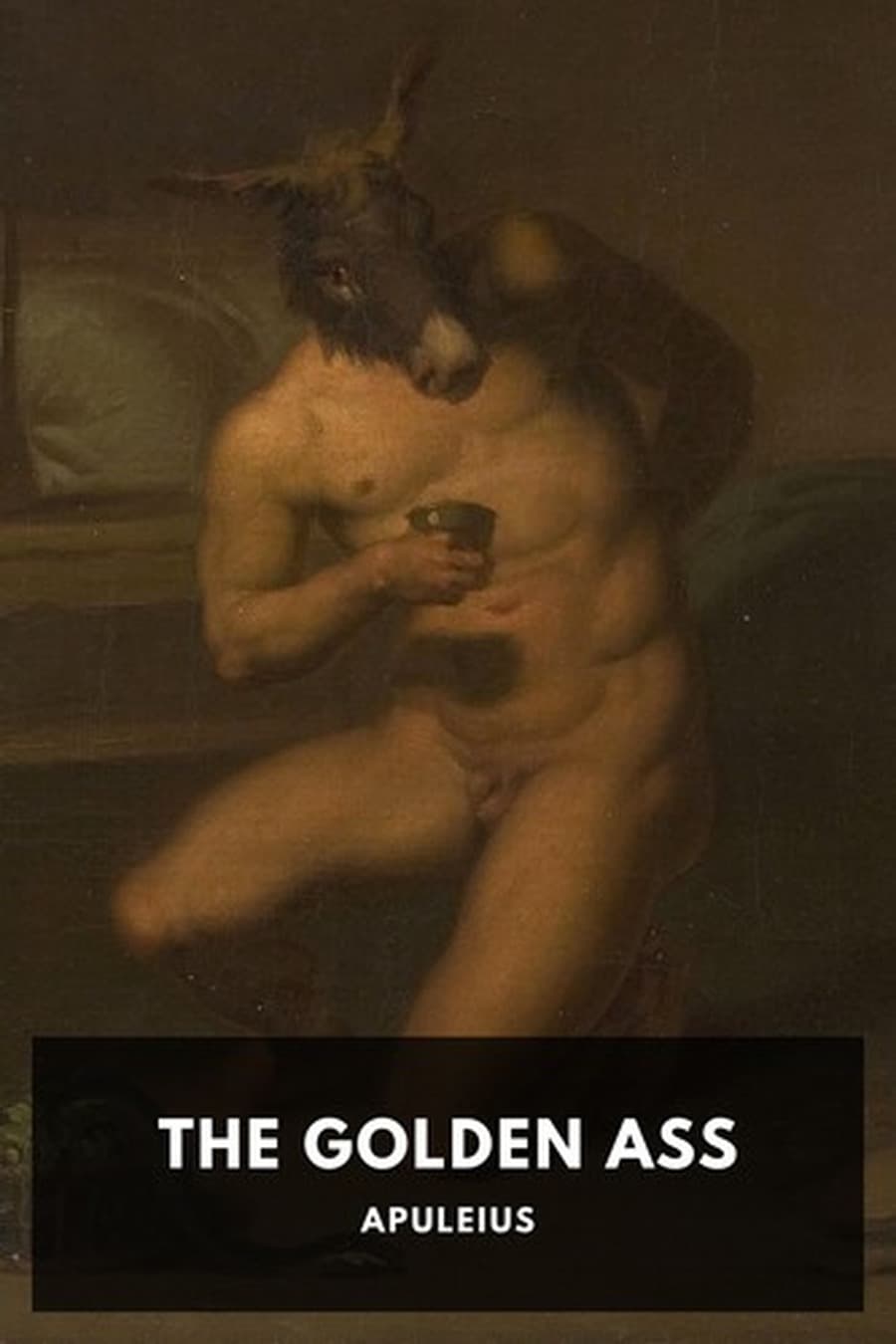
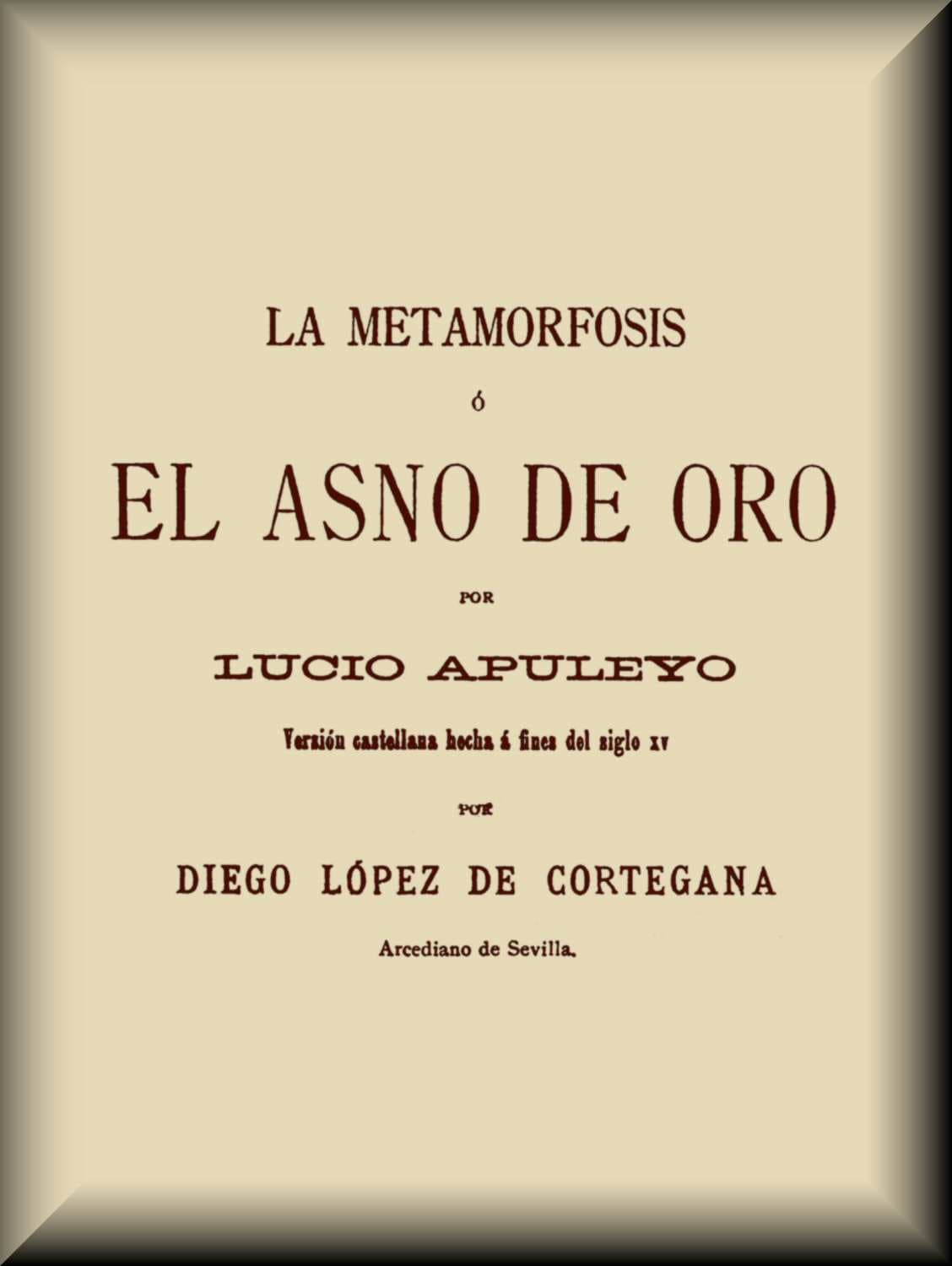
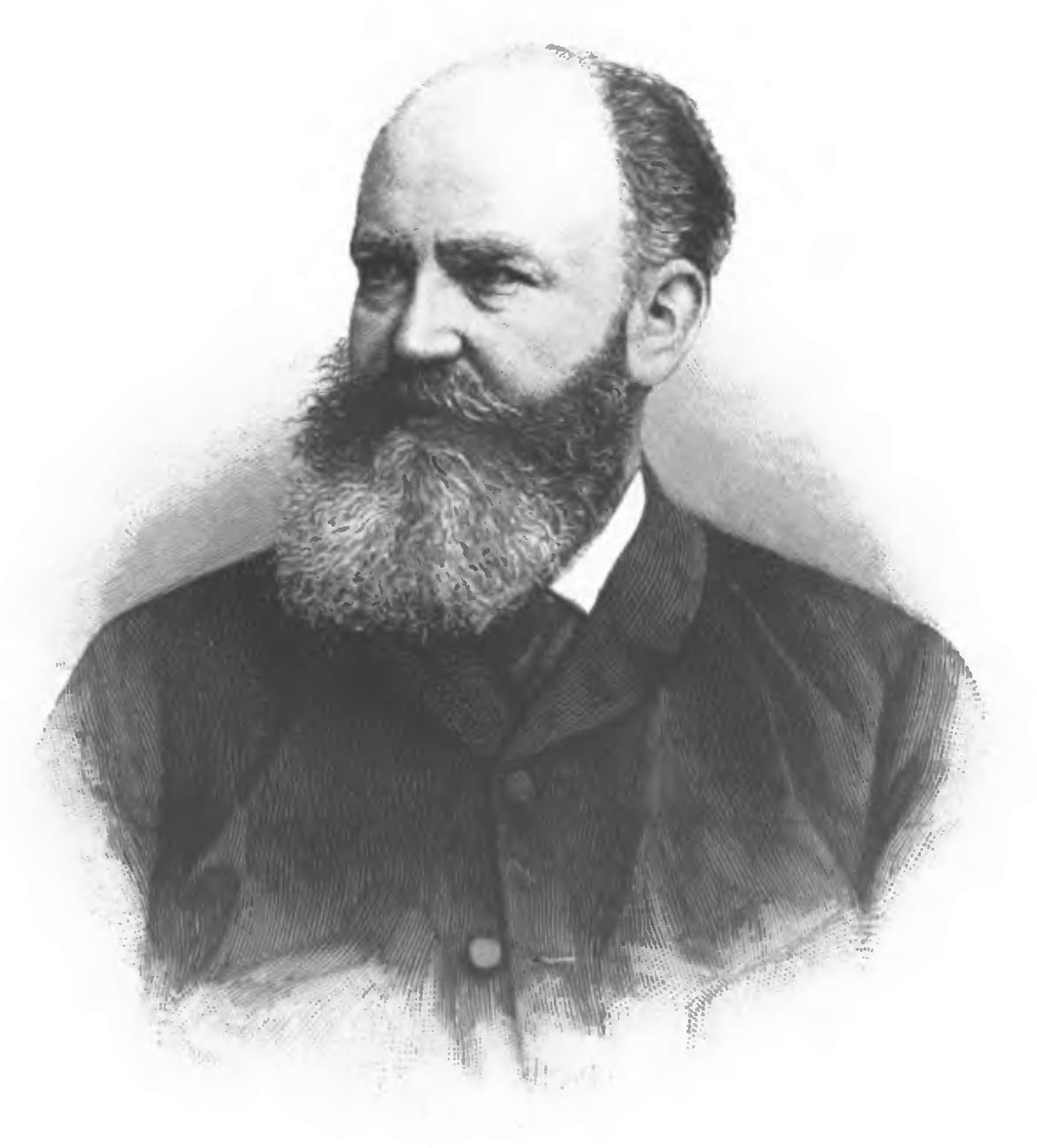
Apuleius was a Roman philosopher and novelist, best known for his work 'The Golden Asse,' which is the only Latin novel to survive in its entirety. Born in Madaura, North Africa, he lived during the second century AD and was a prominent figure in the intellectual circles of his time. His writings reflect a blend of Platonic philosophy and popular mythology, showcasing his deep engagement with both literary and philosophical traditions. 'The Golden Asse,' also known as 'Metamorphoses,' is a unique narrative that combines elements of adventure, transformation, and spiritual enlightenment, following the protagonist Lucius as he is transformed into an ass and ultimately seeks to regain his human form through the worship of the goddess Isis. In addition to 'The Golden Asse,' Apuleius authored several other significant works, including 'The Apologia,' a defense of his character against charges of witchcraft, and 'Amor et Psyche,' a tale that has influenced countless adaptations in literature and art. His writings are notable for their rich use of language, humor, and philosophical depth, contributing to the development of the novel as a literary form. Apuleius's legacy endures as a key figure in the transition from classical to medieval literature, and his exploration of themes such as love, transformation, and the divine continues to resonate in contemporary discussions of narrative and philosophy.
Famous Quotes
View all 3 quotes“It is a difficult matter to keep love imprisoned.”
“Night fell, and her husband came to bed, and as soon as they had finished kissing and embracing each other, he fell fast asleep. Psyche was not naturally either very strong or very brave, but the cruel power of fate made a virago of her. Holding the carving knife in a murderous grip, she uncovered the lamp and let its light shine on the bed. At once the secret was revealed. There lay the gentlest and sweetest of all wild creatures, Cupid himself, the beautiful Love-god, and at sight of him the flame of the lamp spurted joyfully up and the knife turned its edge for shame. Psyche was terrified. She lost all control of her senses, and pale as death, fell trembling to her knees, where she desperately tried to hide the knife by plunging it in her own heart. She would have succeeded, too, had the knife not shrunk from the crime and twisted itself out of her hand.”
“I besprinkled their faces with my liquid dung and forced them to leave off.”
Books from the author






Link to this page
Add a free, dofollow link to Lex on your blog, forum, syllabus, or reading list.

<a href="https://lex-books.com/author/apuleius"><img src="https://lex-books.com/badges/read-on-lex.svg" alt="Apuleius on Lex" width="160" height="40"></a>[](https://lex-books.com/author/apuleius)[url=https://lex-books.com/author/apuleius][img]https://lex-books.com/badges/read-on-lex.svg[/img][/url]Apuleius on Lex: https://lex-books.com/author/apuleius