
Hesiod
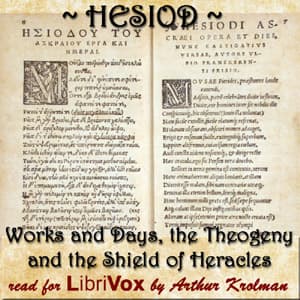
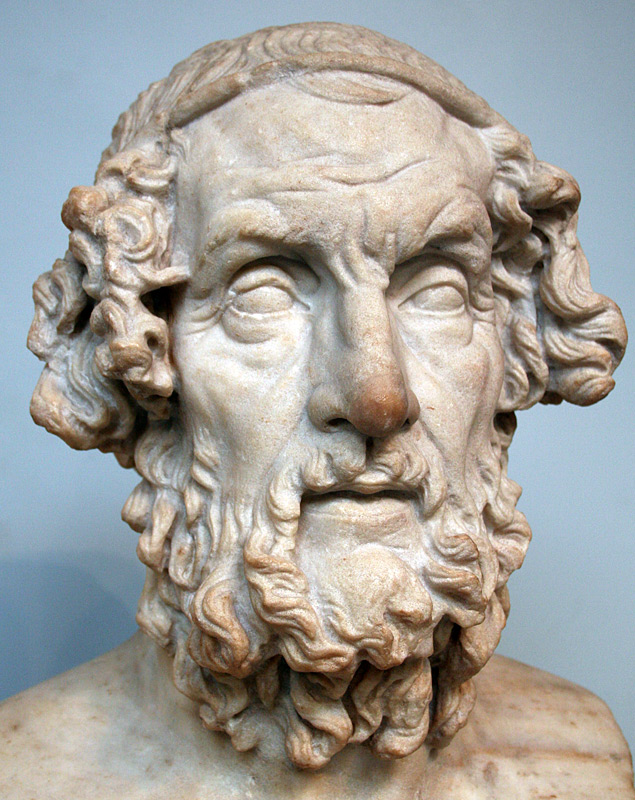
Hesiod was an ancient Greek poet, often regarded as one of the earliest and most significant figures in Western literature. He lived in the 8th century BCE and is best known for his works 'Theogony' and 'Works and Days.' 'Theogony' is a foundational text that outlines the origins of the gods and the cosmos, presenting a genealogical account that has influenced subsequent mythological narratives. In contrast, 'Works and Days' offers practical wisdom and moral instruction, reflecting the agrarian lifestyle of his time and addressing themes of hard work, justice, and the human condition. Hesiod's contributions to literature extend beyond mere storytelling; he is often credited with establishing the genre of didactic poetry. His works provide insight into the social and religious practices of ancient Greece, as well as the values and beliefs of its people. Hesiod's emphasis on the importance of labor and the ethical dimensions of life has left a lasting legacy, influencing later philosophers and writers, including Virgil and Dante. His blend of myth and practical advice continues to resonate, marking him as a pivotal figure in the transition from oral to written traditions in ancient literature.
Famous Quotes
View all 3 quotes“But he who neither thinks for himself nor learns from others, is a failure as a man.”
“That man is best who sees the truth himself. Good too is he who listens to wise counsel. But who is neither wise himself nor willing to ponder wisdom is not worth a straw.”
“A man who works evil against another works it really against himself, and bad advice is worst for the one who devised it”
Books from the author










Link to this page
Add a free, dofollow link to Lex on your blog, forum, syllabus, or reading list.

<a href="https://lex-books.com/author/hesiod"><img src="https://lex-books.com/badges/read-on-lex.svg" alt="Hesiod on Lex" width="160" height="40"></a>[](https://lex-books.com/author/hesiod)[url=https://lex-books.com/author/hesiod][img]https://lex-books.com/badges/read-on-lex.svg[/img][/url]Hesiod on Lex: https://lex-books.com/author/hesiod