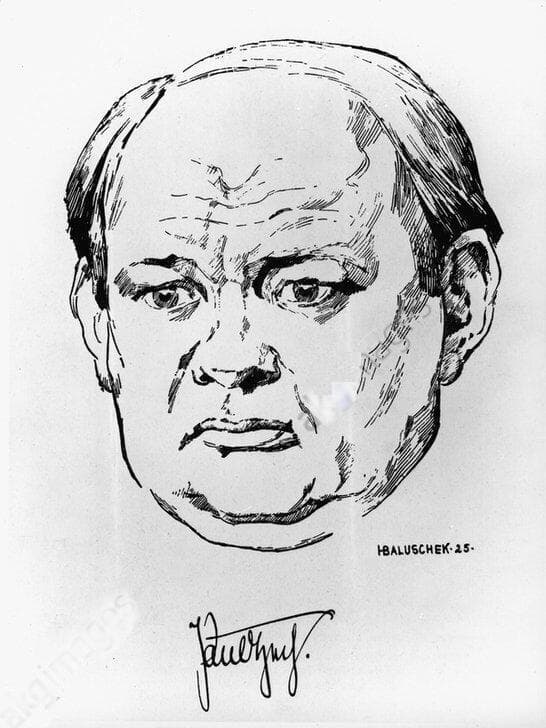
Paul Zech
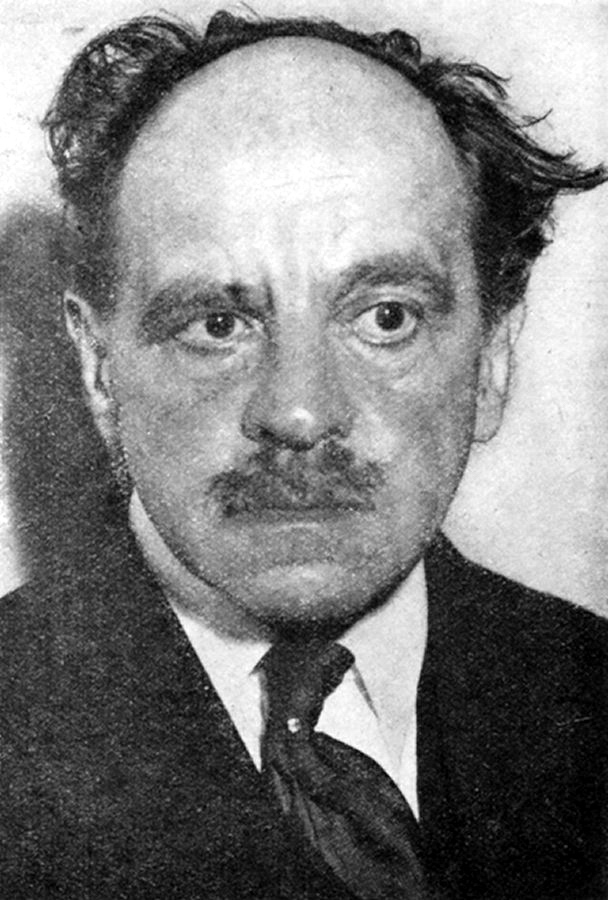
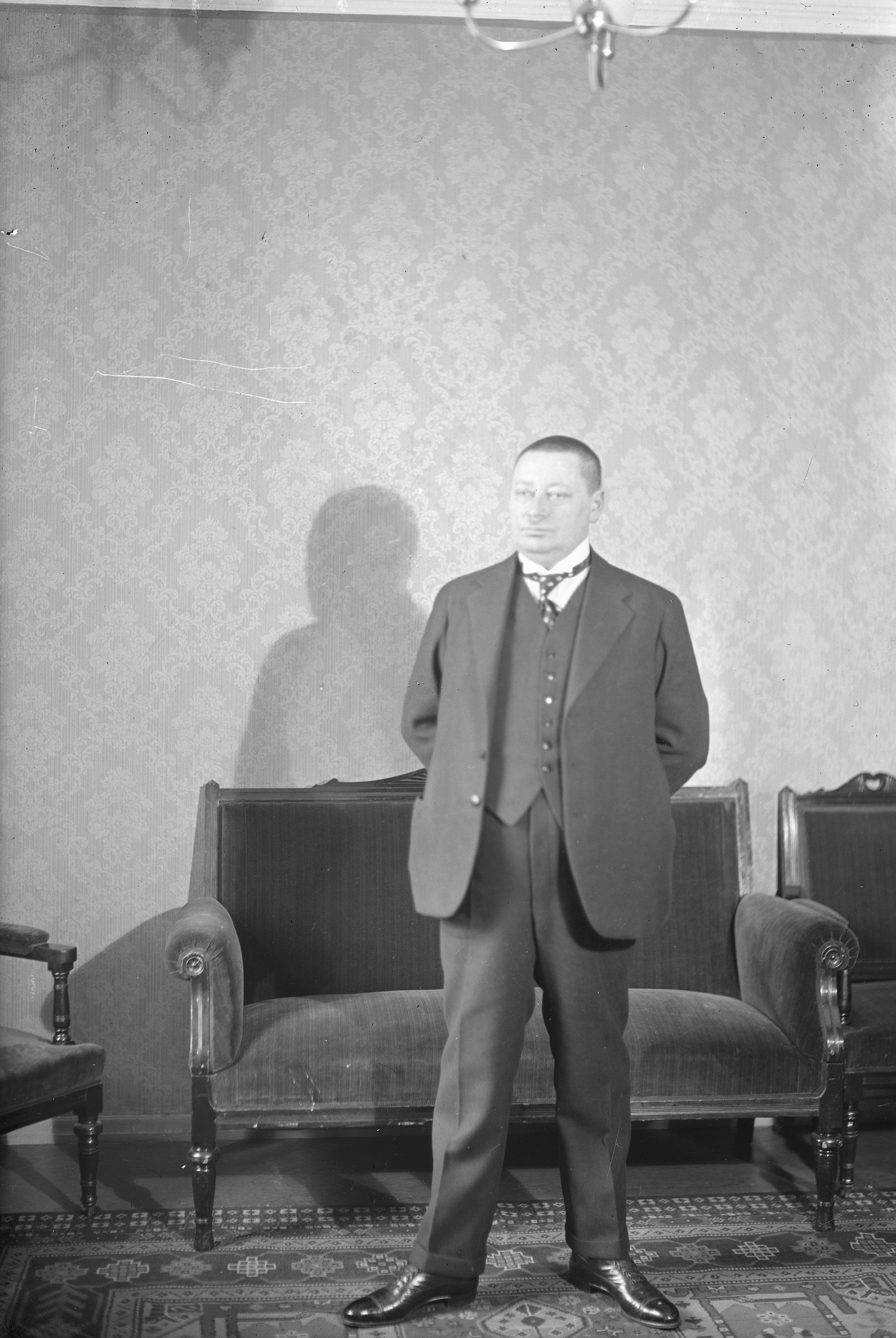
Paul Zech was a prominent German expressionist writer and poet, known for his innovative use of language and exploration of existential themes. Born in 1881, he became part of the vibrant literary scene in Germany during the early 20th century, contributing significantly to the expressionist movement. His works often reflected the tumultuous social and political landscape of his time, marked by a deep sense of disillusionment and a quest for meaning in a rapidly changing world. Zech's notable works include 'Die Flucht' and 'Die Nacht', which showcase his mastery of vivid imagery and emotional depth. His poetry often delved into the human psyche, grappling with themes of alienation and despair, while also celebrating the beauty of life in its rawest forms. Despite his relatively short career, Zech's contributions to expressionism left a lasting impact on German literature, influencing subsequent generations of writers and poets. His legacy endures as a testament to the power of language to convey the complexities of human experience in times of crisis.
Famous Quotes
View all 1 quotes“Euer Leben welkt zerkratzt, verborgen im Gewicht der großen Totenuhren. Was sich noch zusammenrafft, ist auch betrogen auf den alten, ausgefahrenen Lebensspuren.”
Books from the author




Link to this page
Add a free, dofollow link to Lex on your blog, forum, syllabus, or reading list.

<a href="https://lex-books.com/author/paul-zech"><img src="https://lex-books.com/badges/read-on-lex.svg" alt="Paul Zech on Lex" width="160" height="40"></a>[](https://lex-books.com/author/paul-zech)[url=https://lex-books.com/author/paul-zech][img]https://lex-books.com/badges/read-on-lex.svg[/img][/url]Paul Zech on Lex: https://lex-books.com/author/paul-zech