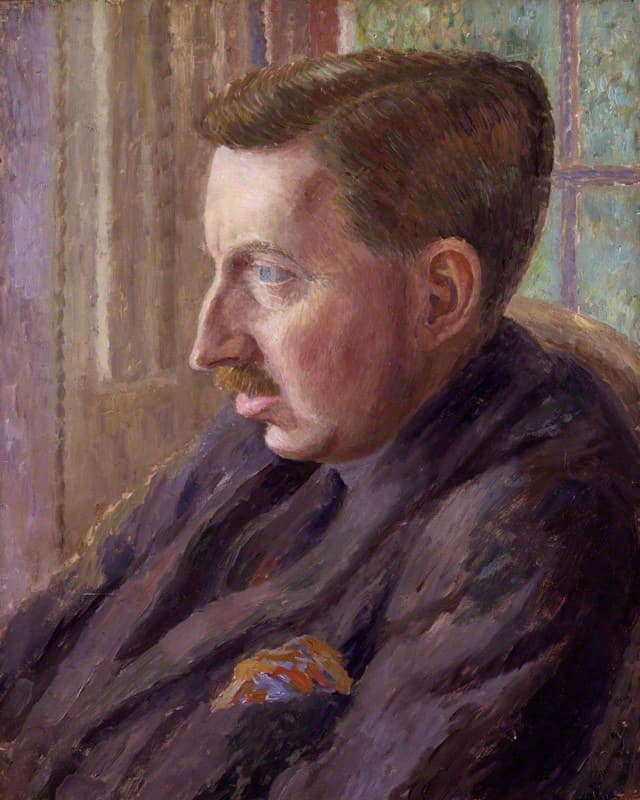
E. M. Forster
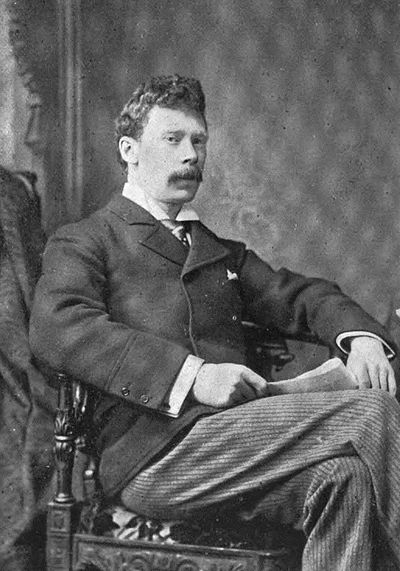
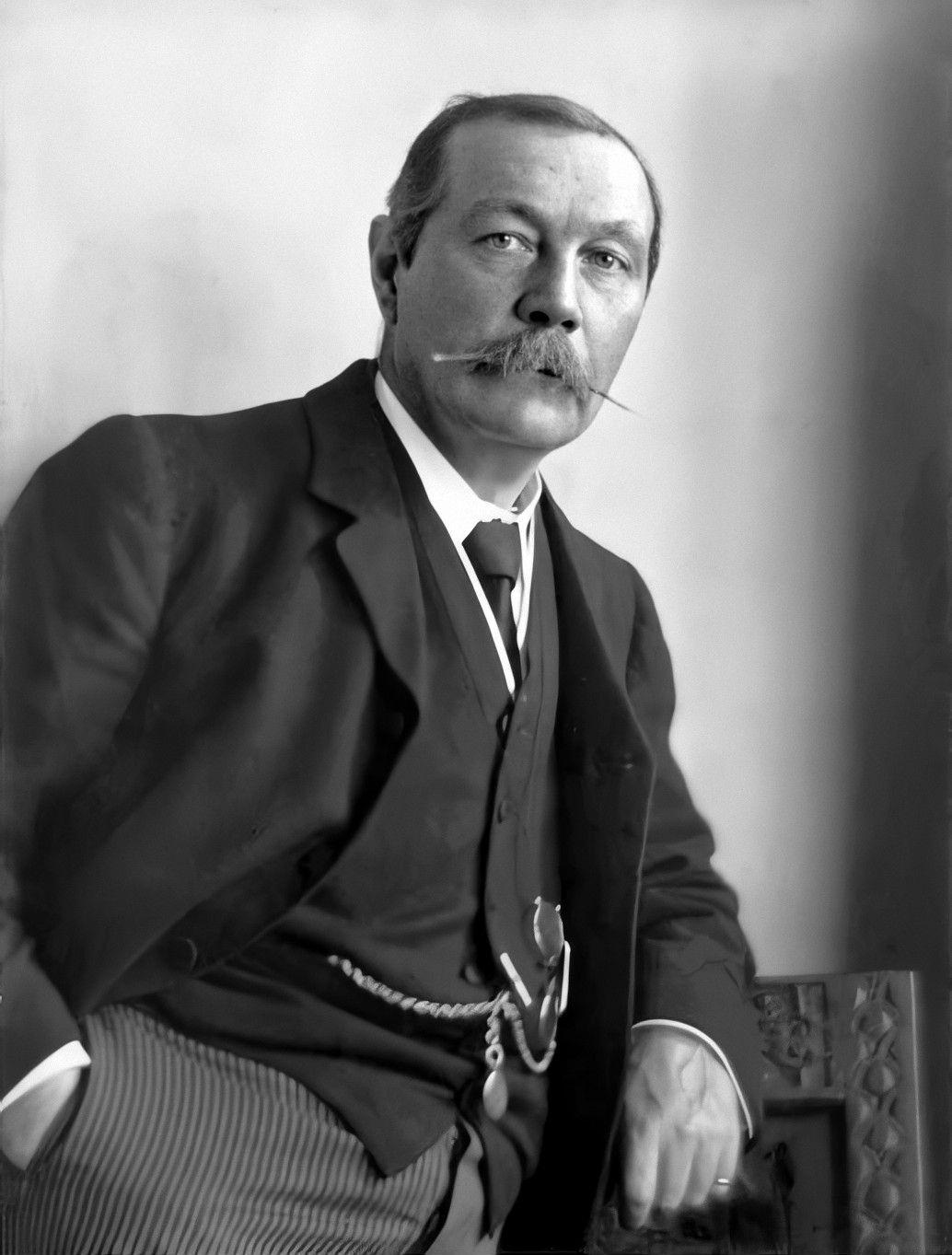
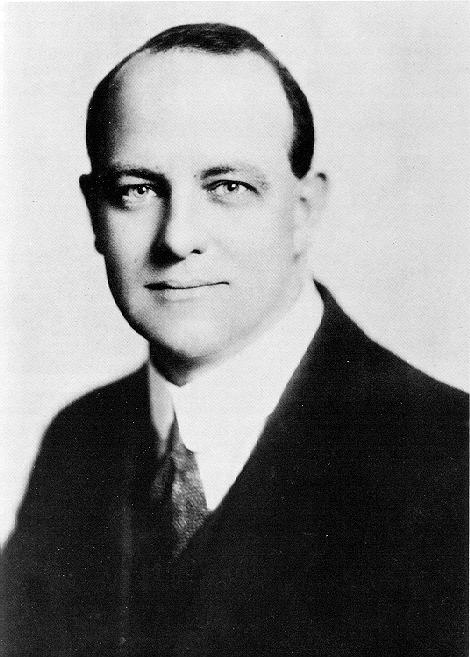
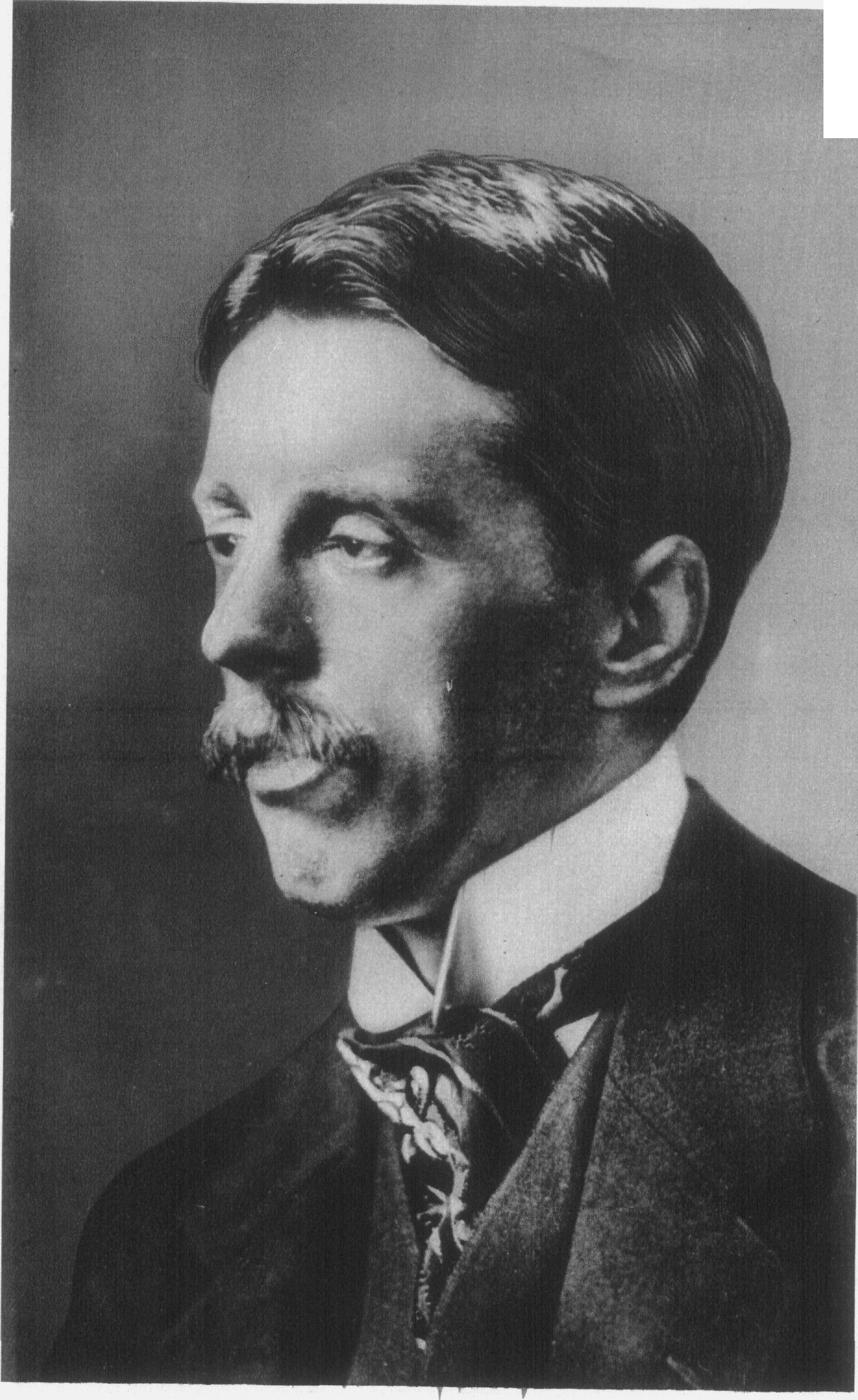
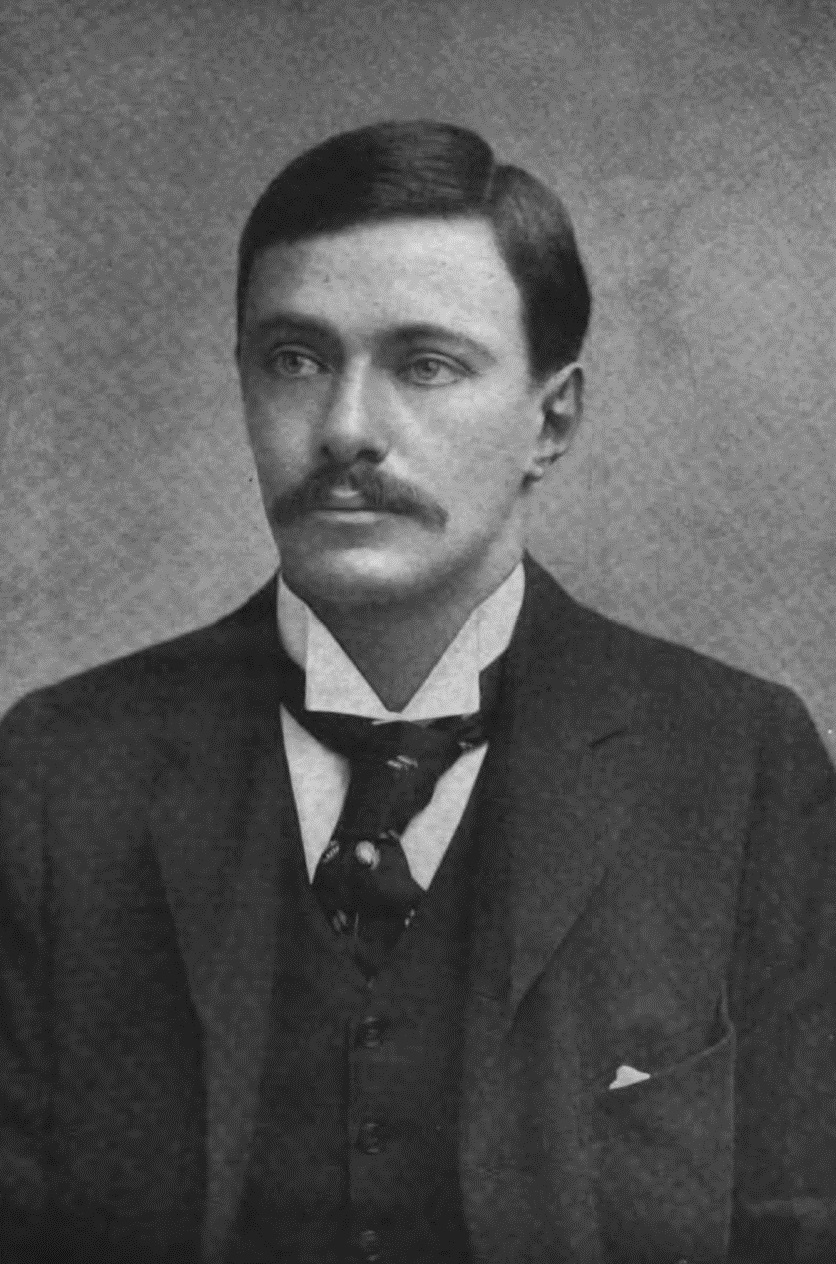
E. M. Forster was an influential English novelist whose works often explored themes of class differences and social hypocrisy. Born in 1879, he gained prominence with his novels, particularly 'A Room with a View' (1908), 'Howards End' (1910), and 'A Passage to India' (1924). Each of these works delved into the complexities of human relationships and societal constraints, with 'A Passage to India' standing out for its critical examination of British colonialism in India. Forster's narrative style combined keen observation with a deep sense of empathy, making his characters resonate with readers across generations. In addition to his novels, Forster contributed to the literary landscape through short stories, essays, and even operatic librettos, such as his collaboration on Benjamin Britten's 'Billy Budd' (1951). His short story 'The Machine Stops' (1909) is particularly notable for its early depiction of technological dystopia, foreshadowing concerns about the impact of technology on human connection. A committed humanist, Forster's legacy endures in the way his works challenge societal norms and advocate for personal authenticity, making him a pivotal figure in 20th-century literature.
Famous Quotes
View all 55 quotes“I believe in aristocracy, though -- if that is the right word, and if a democrat may use it. Not an aristocracy of power, based upon rank and influence, but an aristocracy of the sensitive, the considerate and the plucky. Its members are to be found in all nations and classes, and all through the ages, and there is a secreat understanding between them when they meet. They represent the true human tradition, the one permanent victory of our queer race over cruelty and chaos. Thousands of them perish in obscurity, a few are great names. They are sensitive for others as well as themselves, they are considerate without being fussy, their pluck is not swankiness but power to endure, and they can take a joke.”
“Most of life is so dull that there is nothing to be said about it, and the books and talk that would describe it as interesting are obliged to exaggerate, in the hope of justifying their own existence. Inside its cocoon of work or social obligation, the human spirit slumbers for the most part, registering the distinction between pleasure and pain, but not nearly as alert as we pretend. There are periods in the most thrilling day during which nothing happens, and though we continue to exclaim 'I do enjoy myself' or 'I am horrified' we are insincere. 'As far as I feel anything, it is enjoyment, horror' - it's no more than that really, and a perfectly adjusted organism would be silent.”
“Take an old man's word; there's nothing worse than a muddle in all the world. It is easy to face Death and Fate, and the things that sound so dreadful. It is on my muddles that I look back with horror - on the things that I might have avoided. We can help one another but little. I used to think I could teach young people the whole of life, but I know better now, and all my teaching of George has come down to this: beware of muddle.”
Books from the author




Link to this page
Add a free, dofollow link to Lex on your blog, forum, syllabus, or reading list.

<a href="https://lex-books.com/author/e-m-forster"><img src="https://lex-books.com/badges/read-on-lex.svg" alt="E. M. Forster on Lex" width="160" height="40"></a>[](https://lex-books.com/author/e-m-forster)[url=https://lex-books.com/author/e-m-forster][img]https://lex-books.com/badges/read-on-lex.svg[/img][/url]E. M. Forster on Lex: https://lex-books.com/author/e-m-forster