
Zsigmond Móricz
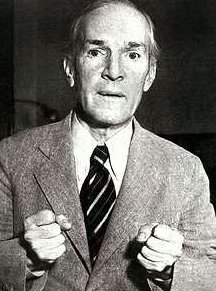
Zsigmond Móricz was a prominent Hungarian novelist and playwright, known for his vivid portrayals of rural life and the struggles of the peasantry in Hungary. Born in a small village, Móricz's early experiences deeply influenced his writing, leading him to explore themes of social injustice and the harsh realities of agrarian existence. His works often depicted the tensions between tradition and modernity, reflecting the societal changes occurring in Hungary during the early 20th century. Among his notable works are 'The Stone Raft' and 'The Great God Sees', which showcase his ability to weave complex characters into the fabric of Hungarian culture and history. Móricz's literary significance lies in his pioneering use of naturalism and his focus on the lives of ordinary people, which set the stage for future Hungarian literature. His candid exploration of social issues and human emotions earned him a place among the most important figures in Hungarian literature, influencing generations of writers and contributing to the national identity during a time of great upheaval. Móricz's legacy endures through his impactful storytelling and his commitment to representing the voices of the marginalized in society.
Famous Quotes
View all 10 quotes“Az élet olyan, hogy mindig másképp történik minden, mint ahogy elgondolta előre az ember.””
“That’s the way it is in Hungary, this is a small country, everybody’s related. I think that it’s likely that if we really looked into it deeply, we two would dig up some connection.”“Of course, your grandmother and mine were both women. Here in Hungary that’s sufficient basis for a relationship, assuming that one’s opinions and interests are the same. In this case, our opinions, our views of the world, our ideas of life are not the same, so let’s leave this examination of relations and family trees… I will confess, I did feel a certain sympathy for you, Town Clerk, whence the confidential tone. But if Kardics is your uncle and Szentkálnay, the leading evil-doer, is your father-in-law, it’s certainly going to be hard for us to see eye to eye. Hungary’s a dunghill of relationships and scandals. It’s a swamp, and anything that is planted on it either becomes acclimatised or dies. Plants that like this damp soil put out enormous flowers, and those that don’t like it are sucked under the mud. So if you don’t mind, I really don't think there’s much hope of finding that we’re related.”“What was your mother's maiden name?”“In the first place, I'm a Lutheran, my family’s from the highlands of Szepes county. So straight away, I feel it’s impossible for the threads to have woven in such a way as to join us to the Kopjáss and Szentkálnay clans. Anyway, my mother’s name was Malatinszky.”“Malatinszky?” exclaimed the Town Clerk. “My mother was Zsuzsánna Bátay...”“A Bátay from Vér in Szabolcs?”“No, the family’s from Gömör County. And her mother was an Éva Malatinszky.”“It’s preposterous!””
“Zoltán looked at them through the window. He hated the man. Now he hated work. Work for these? Work with these? He saw before him the great puszta. Here the long, cracked stripe of a ditch once again stole the blue of the sky, transforming it into a deeper colour, renewing it, like an artist's palette: every pool on the meadows, every clump of flowers, was a jewel on the bosom of nature, a diadem, a string of pearls: oh, nature was lovely... That is, it would be if it could... But mankind... Among these? Struggle, fight, this greedy little piece of meat... Dark furrows on the wondrous surface, the many-branched, tufted promise of the maize, jewelled patches on God's regal robe: why was the world so lovely? to cover up the ugliness of man?””
Books from the author

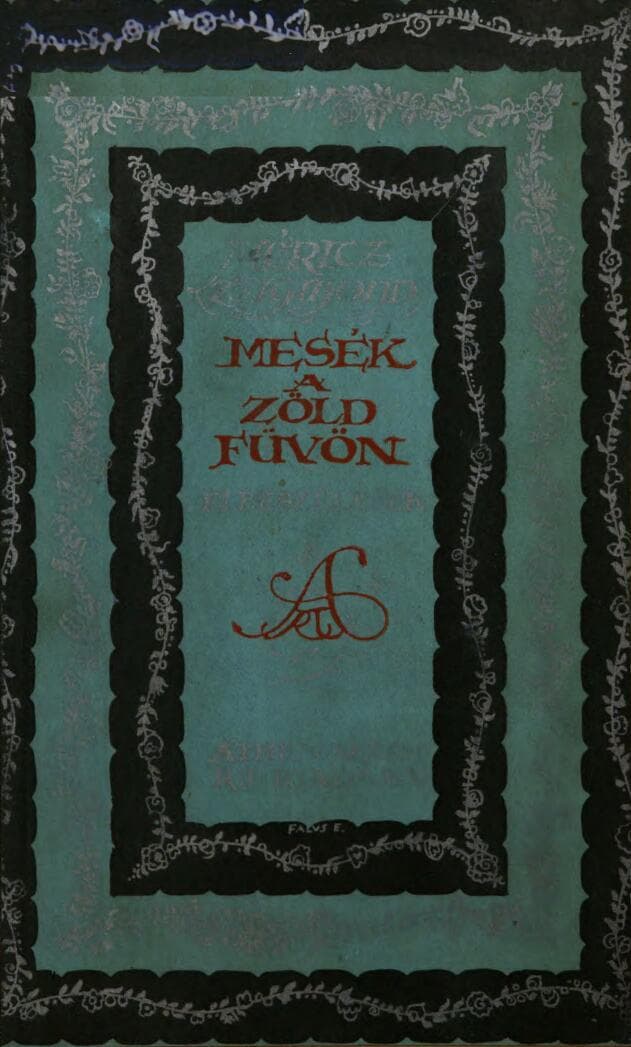
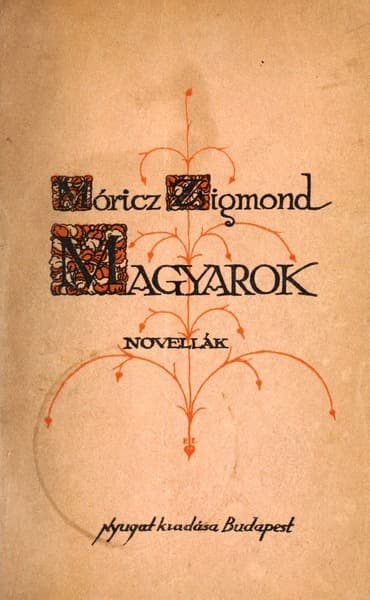
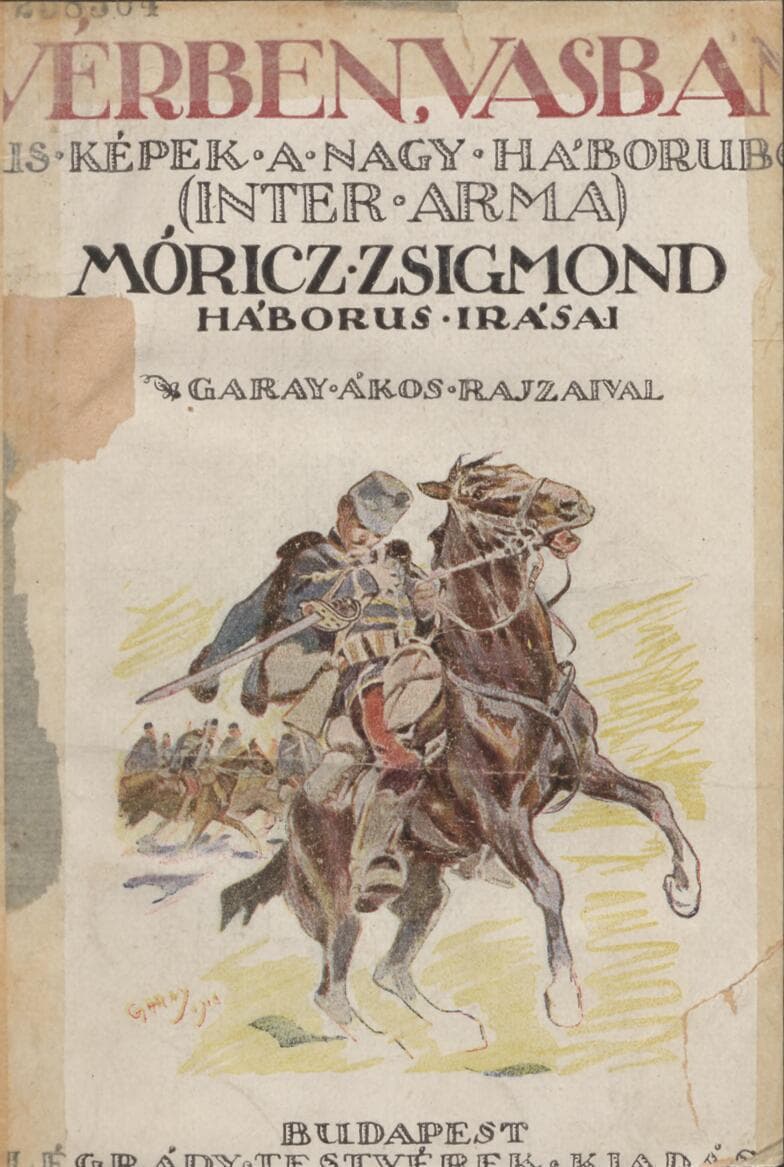
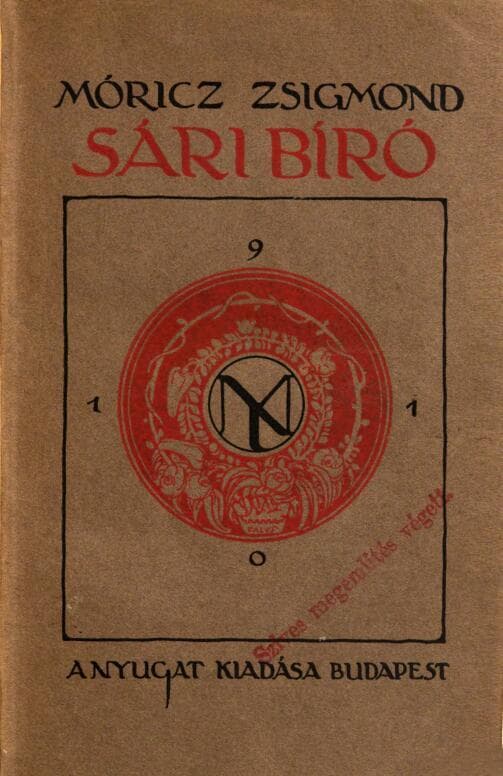
Link to this page
Add a free, dofollow link to Lex on your blog, forum, syllabus, or reading list.

<a href="https://lex-books.com/author/zsigmond-móricz"><img src="https://lex-books.com/badges/read-on-lex.svg" alt="Zsigmond Móricz on Lex" width="160" height="40"></a>[](https://lex-books.com/author/zsigmond-móricz)[url=https://lex-books.com/author/zsigmond-móricz][img]https://lex-books.com/badges/read-on-lex.svg[/img][/url]Zsigmond Móricz on Lex: https://lex-books.com/author/zsigmond-móricz