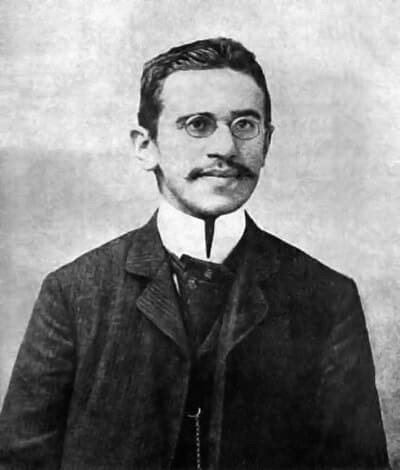
Otto Weininger
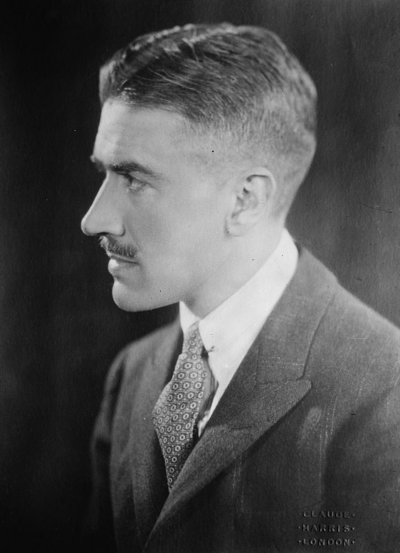
Otto Weininger was an Austrian philosopher whose provocative ideas on gender and sexuality made a significant impact in the early 20th century. His most notable work, 'Geschlecht und Charakter' (Sex and Character), published in 1903, explored the relationship between sex and personality, positing controversial views that both captivated and repelled readers. Weininger's writings reflect a complex interplay of philosophical inquiry and personal struggle, culminating in his tragic suicide at the young age of 23, shortly after the publication of his influential book. Despite his brief life, Weininger's thoughts left a lasting legacy, influencing prominent figures such as Ludwig Wittgenstein and August Strindberg, as well as contributing to the intellectual milieu that shaped modern literature and philosophy. His lesser-known work, 'Über die letzten Dinge,' also reached the likes of James Joyce, underscoring his role in the evolution of existential and modernist thought. Weininger's exploration of identity, gender, and morality continues to provoke discussion and debate, marking him as a significant, albeit controversial, figure in philosophical discourse.
Famous Quotes
View all 3 quotes“All genius is a conquering of chaos and mystery.”
“Napoleon, the greatest of the conquerors, is a sufficient proof that great men of action are criminals, and therefore, not geniuses. One can understand him by thinking of the tremendous intensity with which he tried to escape from himself. There is this element in all the conquerors, great or small. Just because he had great gifts, greater than those of any emperor before him, he had greater difficulty in stifling the disapproving voice within him. The motive of his ambition was the craving to stifle his better self.”
“No men who really think deeply about women retain a high opinion of them”
Books from the author




Link to this page
Add a free, dofollow link to Lex on your blog, forum, syllabus, or reading list.

<a href="https://lex-books.com/author/otto-weininger"><img src="https://lex-books.com/badges/read-on-lex.svg" alt="Otto Weininger on Lex" width="160" height="40"></a>[](https://lex-books.com/author/otto-weininger)[url=https://lex-books.com/author/otto-weininger][img]https://lex-books.com/badges/read-on-lex.svg[/img][/url]Otto Weininger on Lex: https://lex-books.com/author/otto-weininger