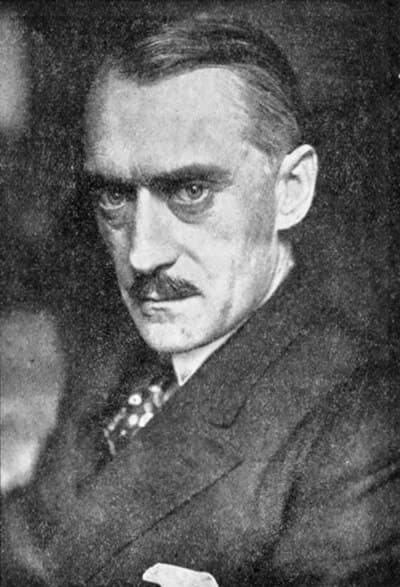
Leonhard Frank
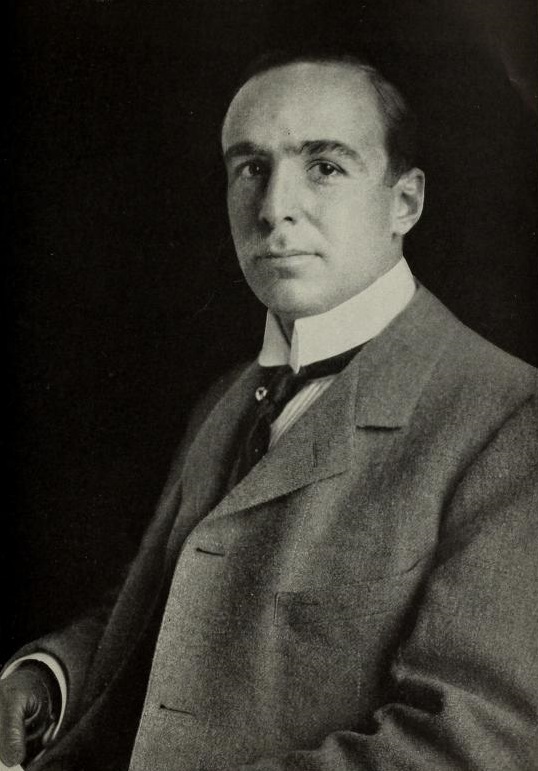
Leonhard Frank was a prominent German expressionist writer known for his poignant explorations of human nature and society. Born in Würzburg, he initially pursued studies in painting and graphic art in Munich, but soon turned to literature, gaining recognition with his debut novel, The Robber Band (1914). His experiences during World War I deeply influenced his writing; after an incident in which he confronted a journalist celebrating the sinking of the RMS Lusitania, Frank fled to Switzerland, where he penned a collection of pacifist short stories titled Man is Good. This work reflected his disillusionment with war and his belief in the inherent goodness of humanity. After returning to Germany, Frank faced persecution under the Nazi regime, prompting him to emigrate multiple times, ultimately reaching the United States in 1940. His notable works include In the Last Coach (1925) and the play Carl and Anna (1929), the latter of which was adapted into the MGM film Desire Me in 1947. Frank's literary significance lies in his ability to capture the complexities of human emotion and moral dilemmas during tumultuous times, making him a vital voice in 20th-century literature. He returned to Munich in 1950, where he continued to write until his death in 1961.
Famous Quotes
View all 1 quotes“Ganz recht, wer kanns wissen. Mancher Dummkopf wird Professor; manch kluger Kopf muß sich eine Kugel in den Kopf schießen. So ist das heutzutage. Und so wird es auch einige Zeit bleiben. Man muß sich schon überlegen, ob man Hoffnungen wecken soll, denen von vornherein die Armut schwer in Wege liegt… Da eröffnen sich verschiedenerlei wüste Perspektiven.”
Books from the author




Link to this page
Add a free, dofollow link to Lex on your blog, forum, syllabus, or reading list.

<a href="https://lex-books.com/author/leonhard-frank"><img src="https://lex-books.com/badges/read-on-lex.svg" alt="Leonhard Frank on Lex" width="160" height="40"></a>[](https://lex-books.com/author/leonhard-frank)[url=https://lex-books.com/author/leonhard-frank][img]https://lex-books.com/badges/read-on-lex.svg[/img][/url]Leonhard Frank on Lex: https://lex-books.com/author/leonhard-frank