
Margaret Sanger
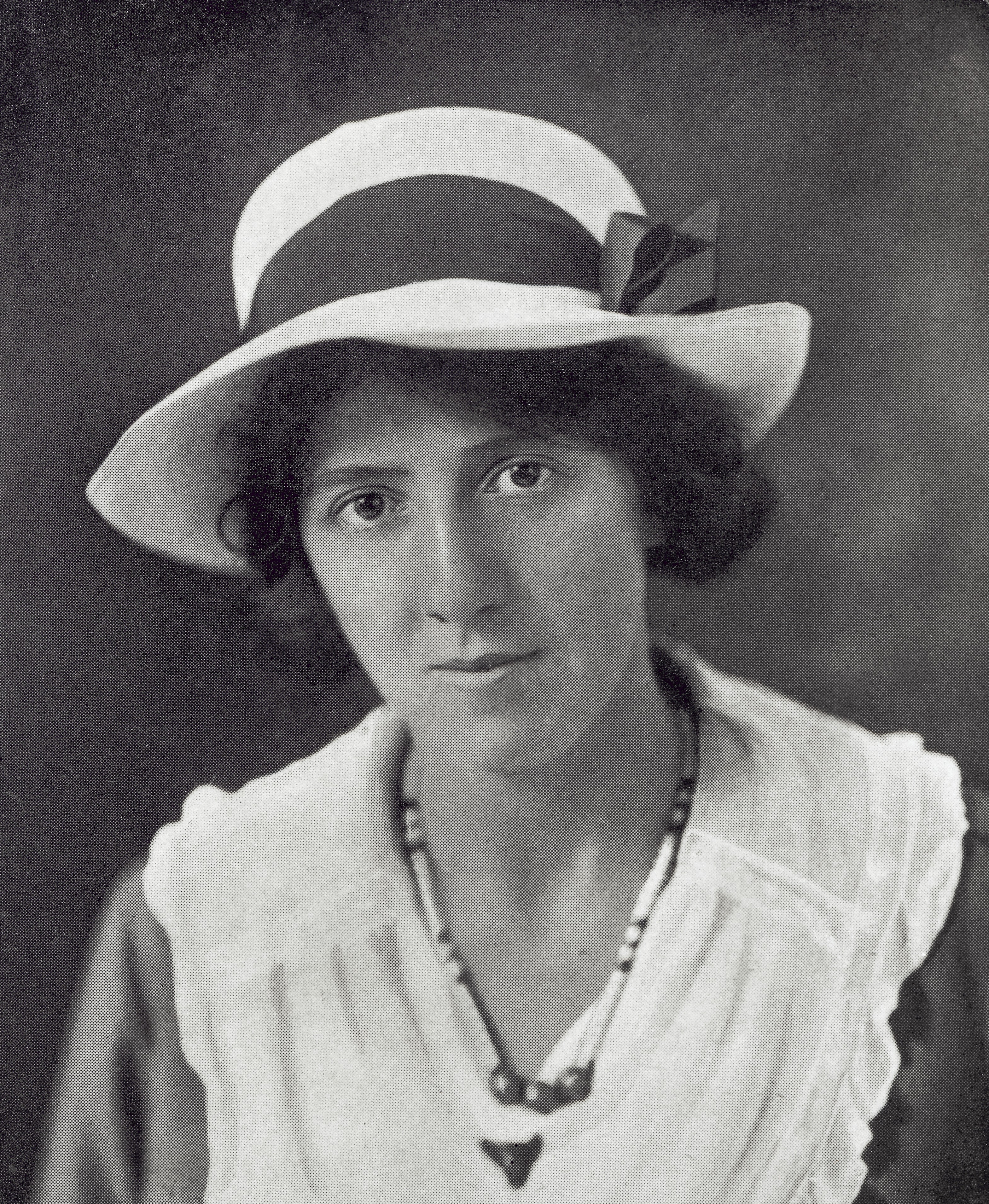
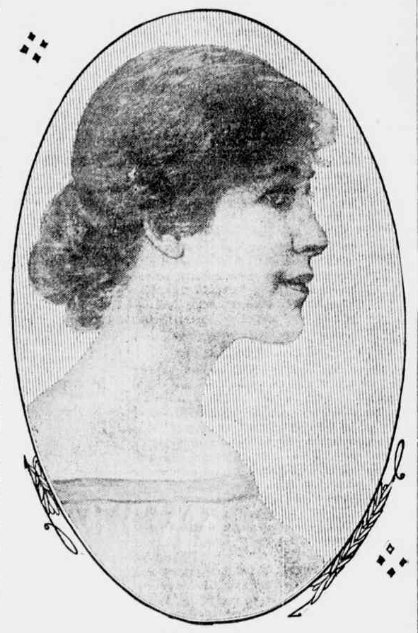
Margaret Sanger was an American birth control activist, sex educator, and nurse who played a pivotal role in the reproductive rights movement. Growing up in a large family in the slums of New York City, Sanger witnessed the struggles of women who faced dire consequences from unwanted pregnancies. Her experiences as a nurse led her to advocate for women's autonomy over their bodies, culminating in the establishment of the first birth control clinic in the United States in 1916. Sanger's efforts were instrumental in the eventual legalization of contraceptives, including a landmark Supreme Court ruling in Griswold v. Connecticut, which allowed married couples to access birth control without a prescription. As a founder of Planned Parenthood, Sanger's influence extended beyond her lifetime, as she championed the development of the first birth control pill and authored several books and periodicals to educate the public on reproductive health. Although her association with the eugenics movement has sparked controversy, Sanger's advocacy for women's rights and reproductive freedom marked her as a significant figure in the first-wave feminist movement. Her legacy continues to shape discussions around women's health and reproductive rights today, making her a foundational figure in the ongoing struggle for gender equality and personal autonomy.
Famous Quotes
View all 15 quotes“No woman can call herself free who does not control her own body.””
“No woman can call herself free until she can choose consciously whether she will or will not be a mother.””
“No woman can call herself free who does not own and control her body. No woman can call herself free until she can choose consciously whether she will or will not be a mother.””
Books from the author







Link to this page
Add a free, dofollow link to Lex on your blog, forum, syllabus, or reading list.

<a href="https://lex-books.com/author/margaret-sanger"><img src="https://lex-books.com/badges/read-on-lex.svg" alt="Margaret Sanger on Lex" width="160" height="40"></a>[](https://lex-books.com/author/margaret-sanger)[url=https://lex-books.com/author/margaret-sanger][img]https://lex-books.com/badges/read-on-lex.svg[/img][/url]Margaret Sanger on Lex: https://lex-books.com/author/margaret-sanger