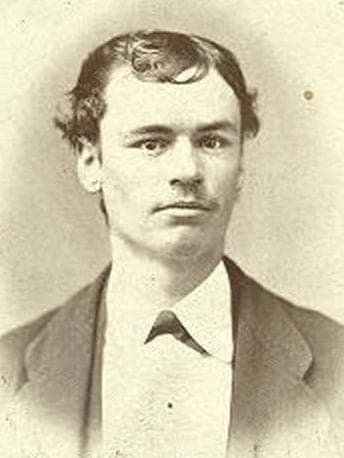
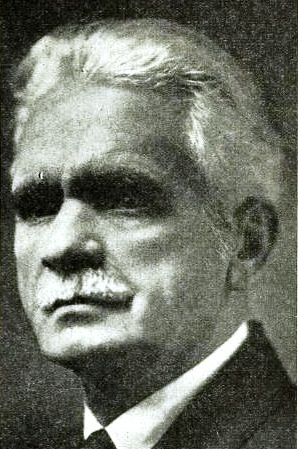
Orson F. Whitney
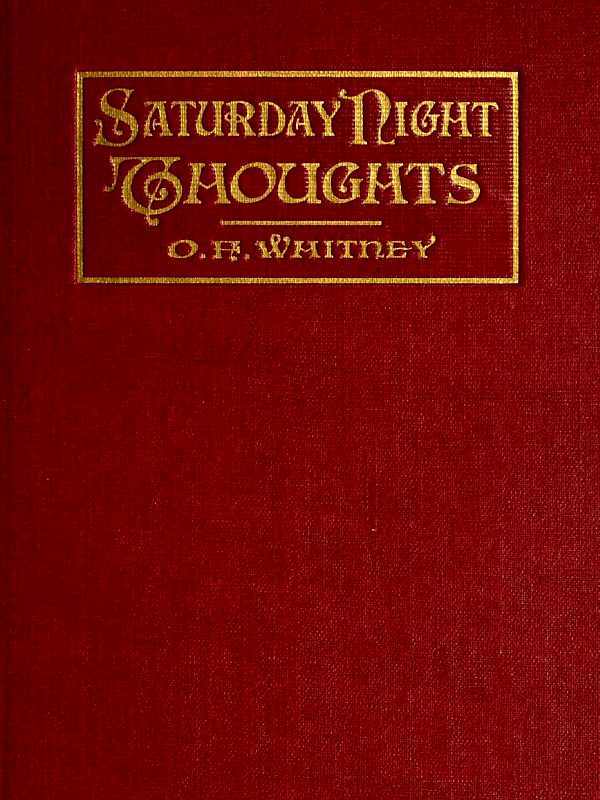
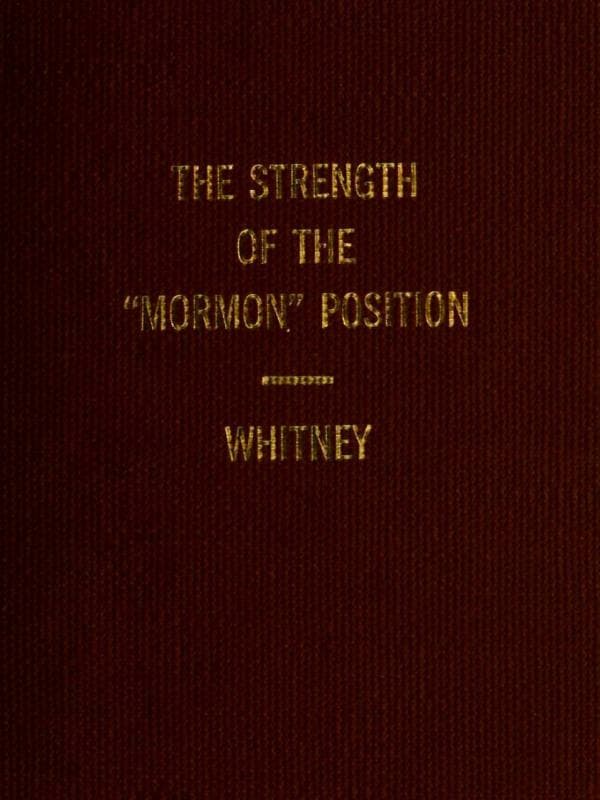
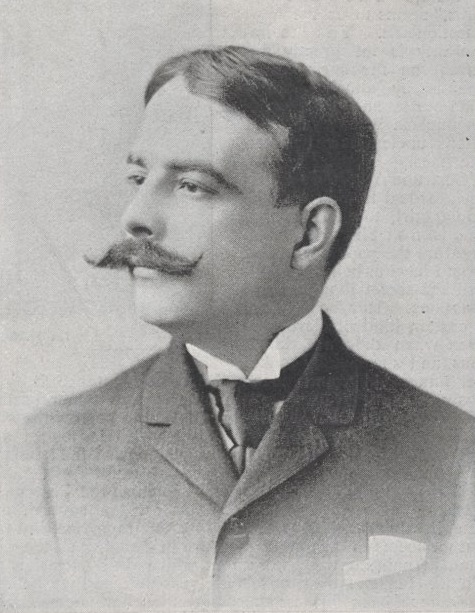
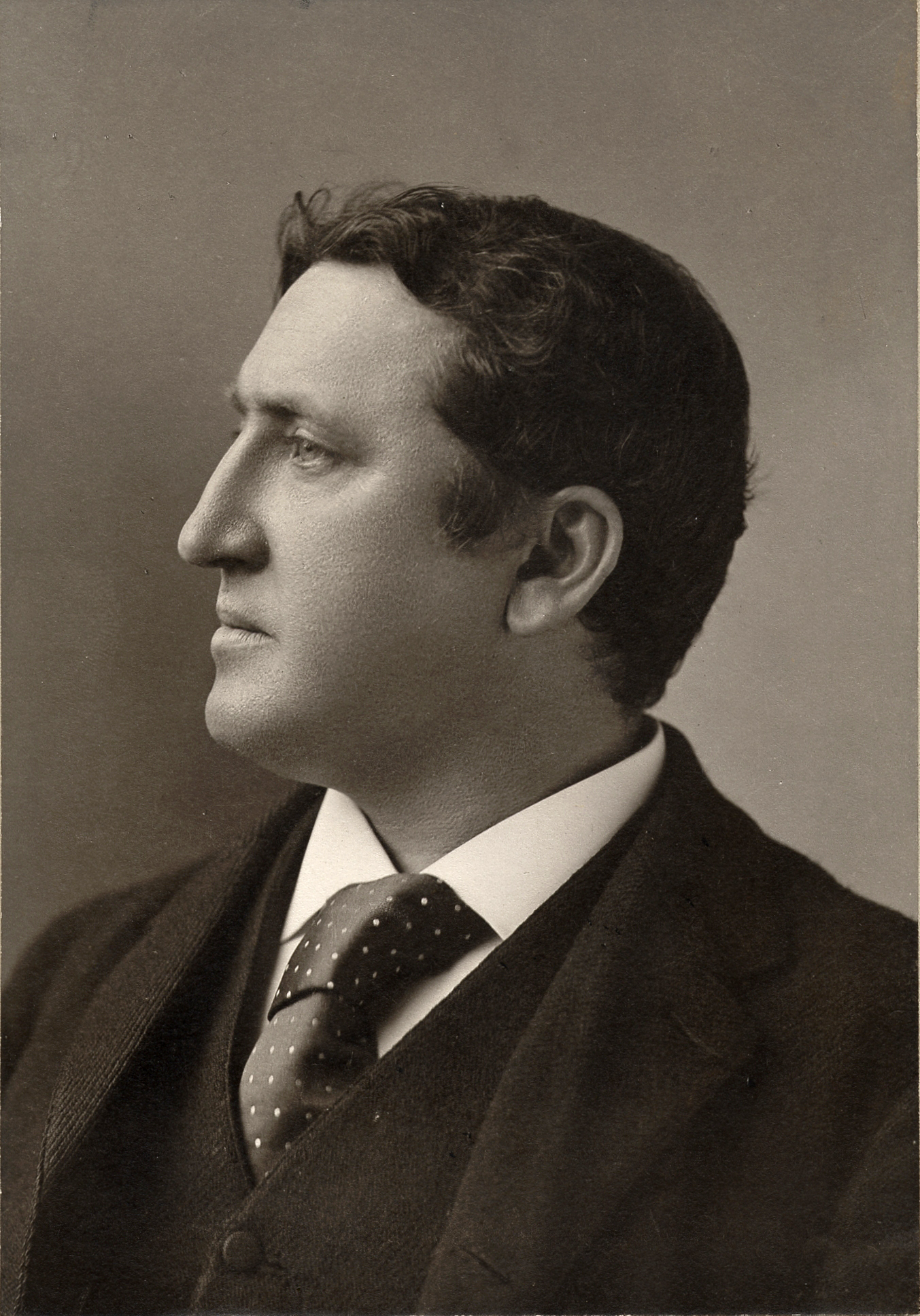
Orson F. Whitney was a prominent American poet, author, and religious leader within the Latter-day Saint movement. Born in 1855, he became known for his literary contributions that sought to articulate and defend the principles of Mormonism. Whitney's works often blended personal reflection with theological discourse, reflecting his deep commitment to his faith and its teachings. His notable writings include 'Life of Heber C. Kimball, an Apostle: The Father and Founder of the British Mission,' which chronicles the life of one of the early leaders of the Church of Jesus Christ of Latter-day Saints, and 'Elias: An Epic of the Ages,' a poetic exploration of religious themes and the human experience. In addition to his historical and epic narratives, Whitney penned 'Saturday Night Thoughts' and 'Gospel Themes: A Treatise on Salient Features of "Mormonism,"' both of which delve into the philosophical and doctrinal aspects of Mormon belief. His literary style was characterized by a blend of lyrical prose and a passionate defense of his faith, making him a significant figure in the religious literary landscape of his time. Whitney's legacy endures through his contributions to Mormon literature and his role in shaping the narrative of early Latter-day Saint history.
Famous Quotes
View all 9 quotes“No pain that we suffer, no trial that we experience is wasted. It ministers to our education, to the development of such qualities as patience, faith, fortitude and humility. All that we suffer and all that we endure, especially when we endure it patiently, builds up our characters, purifies our hearts, expands our souls, and makes us more tender and charitable, more worthy to be called the children of God . . . and it is through sorrow and suffering, toil and tribulation, that we gain the education that we come here to acquire and which will make us more like our Father and Mother in heaven.””
“The spirit of the gospel is optimistic; it trusts in God and looks on the bright side of things. The opposite or pessimistic spirit drags men down and away from God, looks on the dark side, murmurs, complains, and is slow to yield obedience.””
“No pain that we suffer, no trial that we experience is wasted. All that we suffer and all that we endure, especially when we endure it patiently, builds up our characters, purifies our hearts, expands our souls, and makes us more tender and charitable.””
Books from the author





Link to this page
Add a free, dofollow link to Lex on your blog, forum, syllabus, or reading list.

<a href="https://lex-books.com/author/orson-f-whitney"><img src="https://lex-books.com/badges/read-on-lex.svg" alt="Orson F. Whitney on Lex" width="160" height="40"></a>[](https://lex-books.com/author/orson-f-whitney)[url=https://lex-books.com/author/orson-f-whitney][img]https://lex-books.com/badges/read-on-lex.svg[/img][/url]Orson F. Whitney on Lex: https://lex-books.com/author/orson-f-whitney