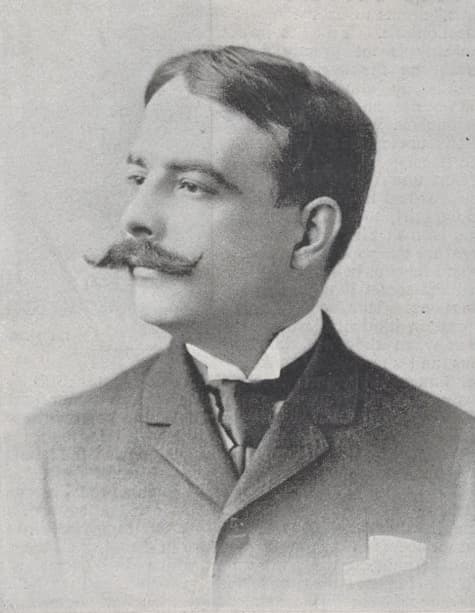
Edgar Saltus
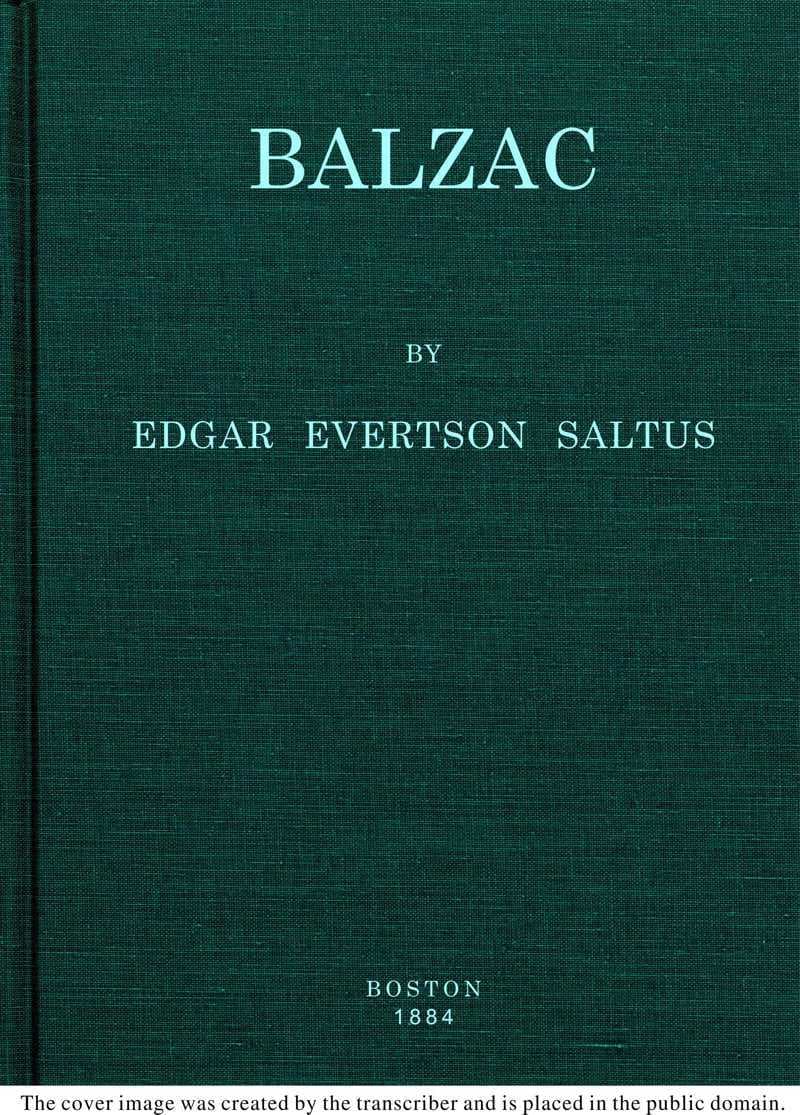
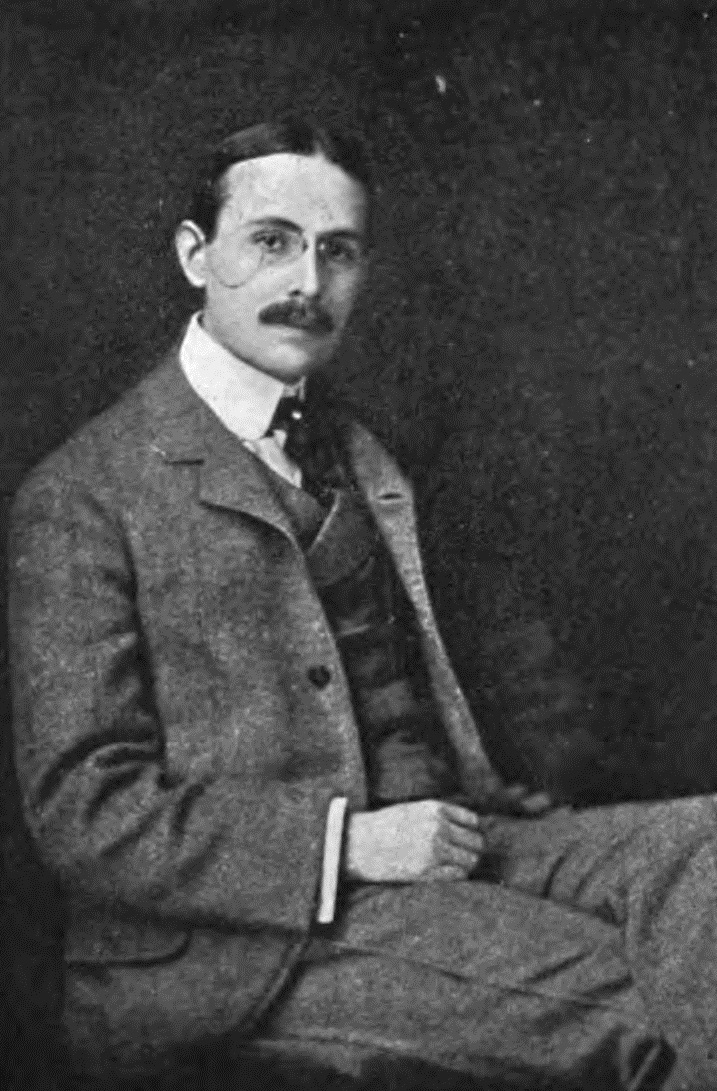
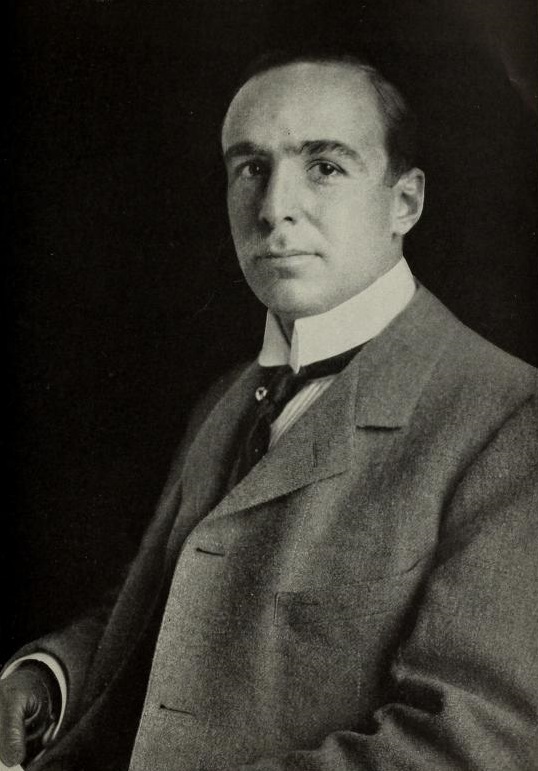
Edgar Evertson Saltus was an American author celebrated for his sophisticated prose and exploration of decadent themes. His literary career was marked by a distinctive style that drew comparisons to prominent European writers such as Joris-Karl Huysmans, Gabriele D'Annunzio, and Oscar Wilde. Saltus's works often delved into the complexities of human desire and the darker aspects of existence, positioning him as a notable figure in the decadent movement of the late 19th and early 20th centuries. Among his most significant works are 'The Philosophy of Disenchantment' and 'The Anatomy of Negation', which reflect his philosophical musings and critique of contemporary society. In addition to his original writings, Saltus translated several influential French literary works under the pseudonym Myndart Verelst, showcasing his deep appreciation for European literature. His translations included notable authors such as Honoré de Balzac and Théophile Gautier, further bridging the cultural gap between American and European literary traditions. Saltus's contributions to literature, particularly in the realm of decadent writing, have established him as a unique voice whose influence can be seen in the works of later writers who grappled with similar themes of existentialism and aestheticism.
Famous Quotes
View all 3 quotes“I think our lives are surely but the dreams Of spirits, dwelling in the distant spheres, Who as we die, do one by one awake.”
“Briefly, then, life, to the pessimist, is a motiveless desire, a constant pain and continued struggle, followed by death, and so on, in secula seculorum, until the planet’s crust crumbles to dust.”
“But to such a man as Schopenhauer,—one who considered five sixths of the population to be knaves or blockheads, and who had thought out a system for the remaining fraction,—to such a man as he, the question of esteem, or the lack thereof, was of small consequence. He cared nothing for the existence which he led in the minds of other people. To his own self he was true, to the calling of his destiny constant, and he felt that he could sit and snap his fingers at the world, knowing that Time, who is at least a gentleman, would bring him his due unasked.”
Books from the author














Link to this page
Add a free, dofollow link to Lex on your blog, forum, syllabus, or reading list.

<a href="https://lex-books.com/author/edgar-saltus"><img src="https://lex-books.com/badges/read-on-lex.svg" alt="Edgar Saltus on Lex" width="160" height="40"></a>[](https://lex-books.com/author/edgar-saltus)[url=https://lex-books.com/author/edgar-saltus][img]https://lex-books.com/badges/read-on-lex.svg[/img][/url]Edgar Saltus on Lex: https://lex-books.com/author/edgar-saltus