
Jules Lemaître
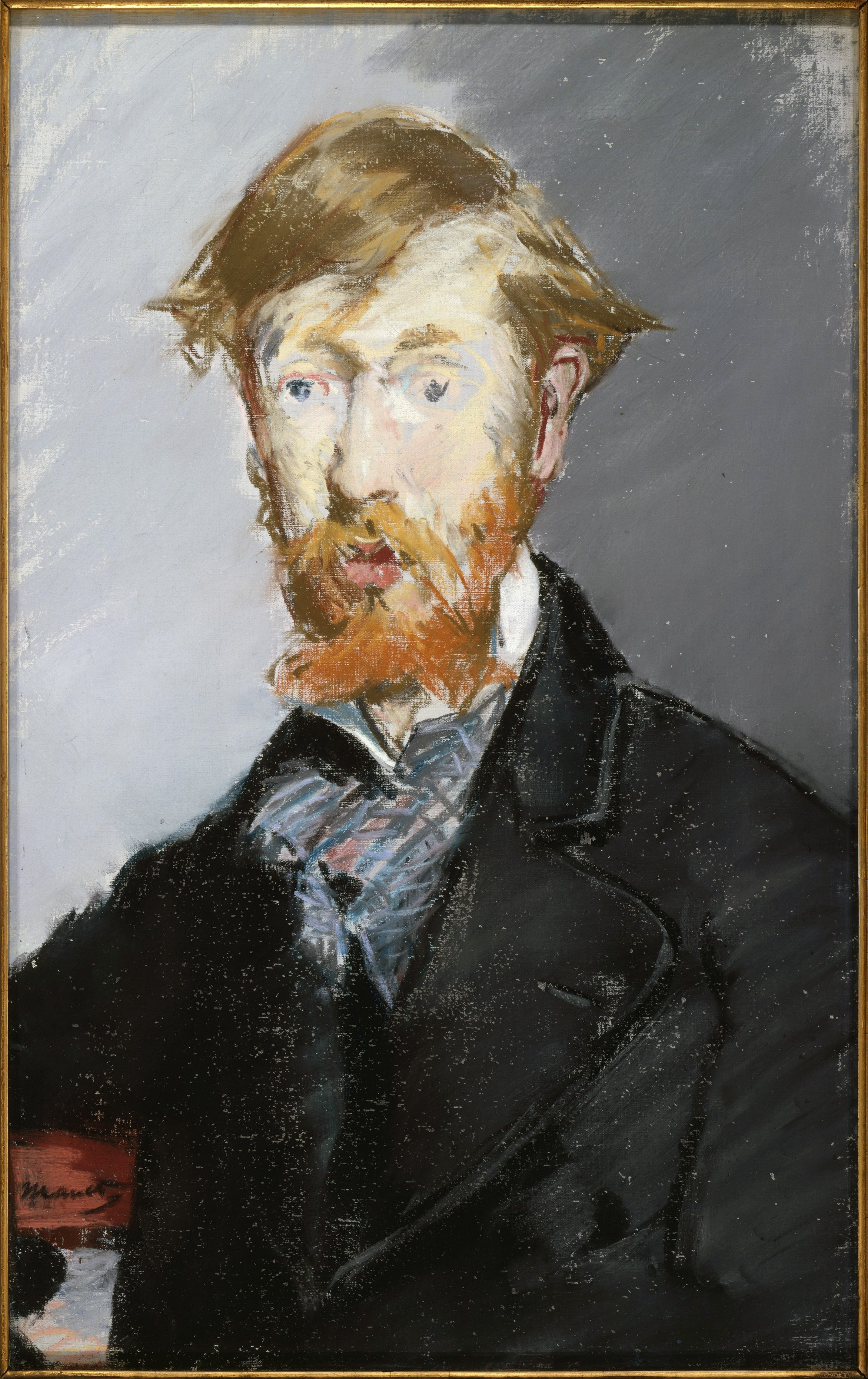
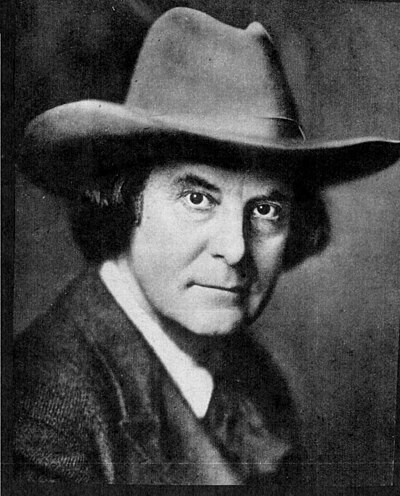
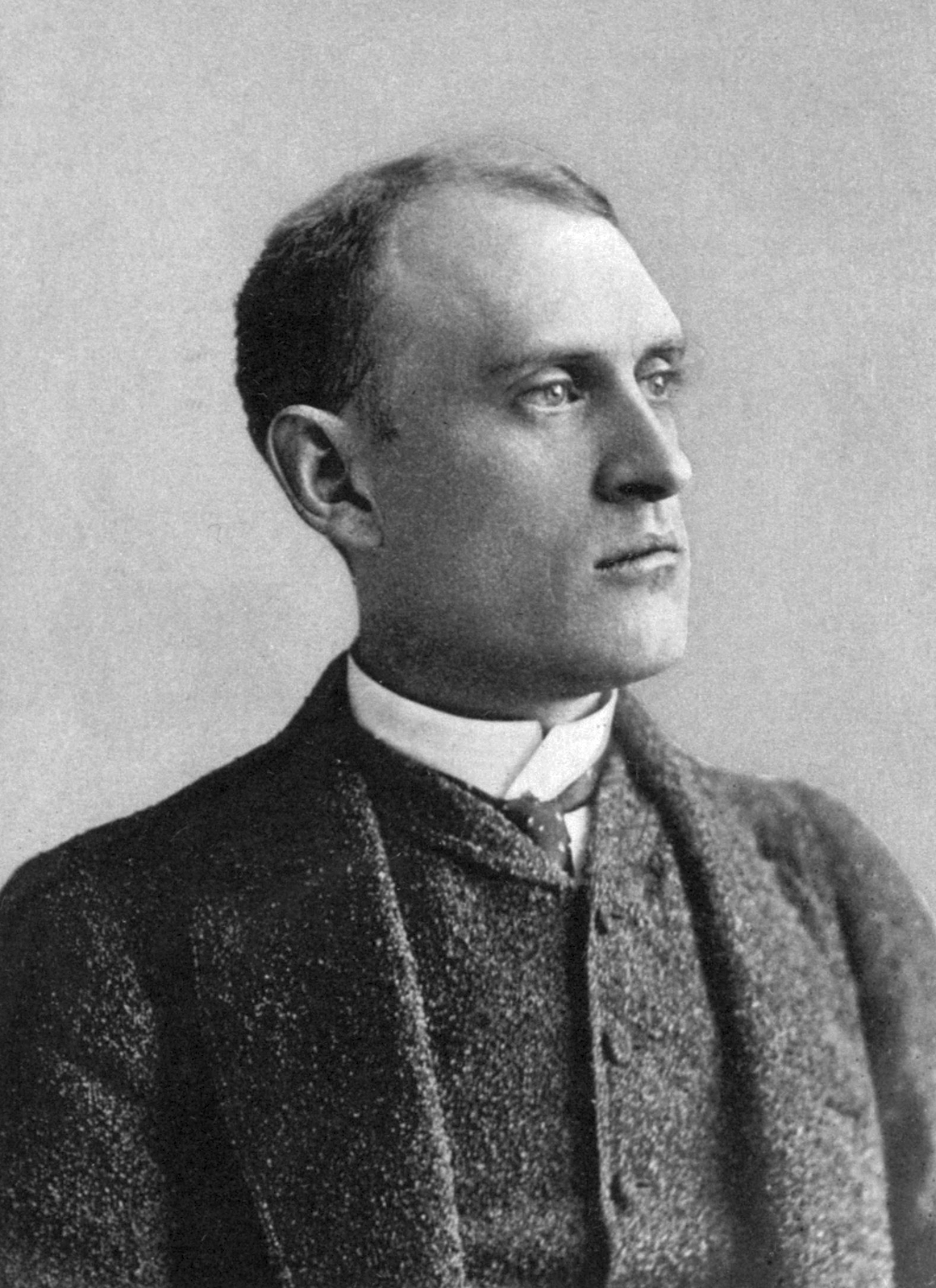
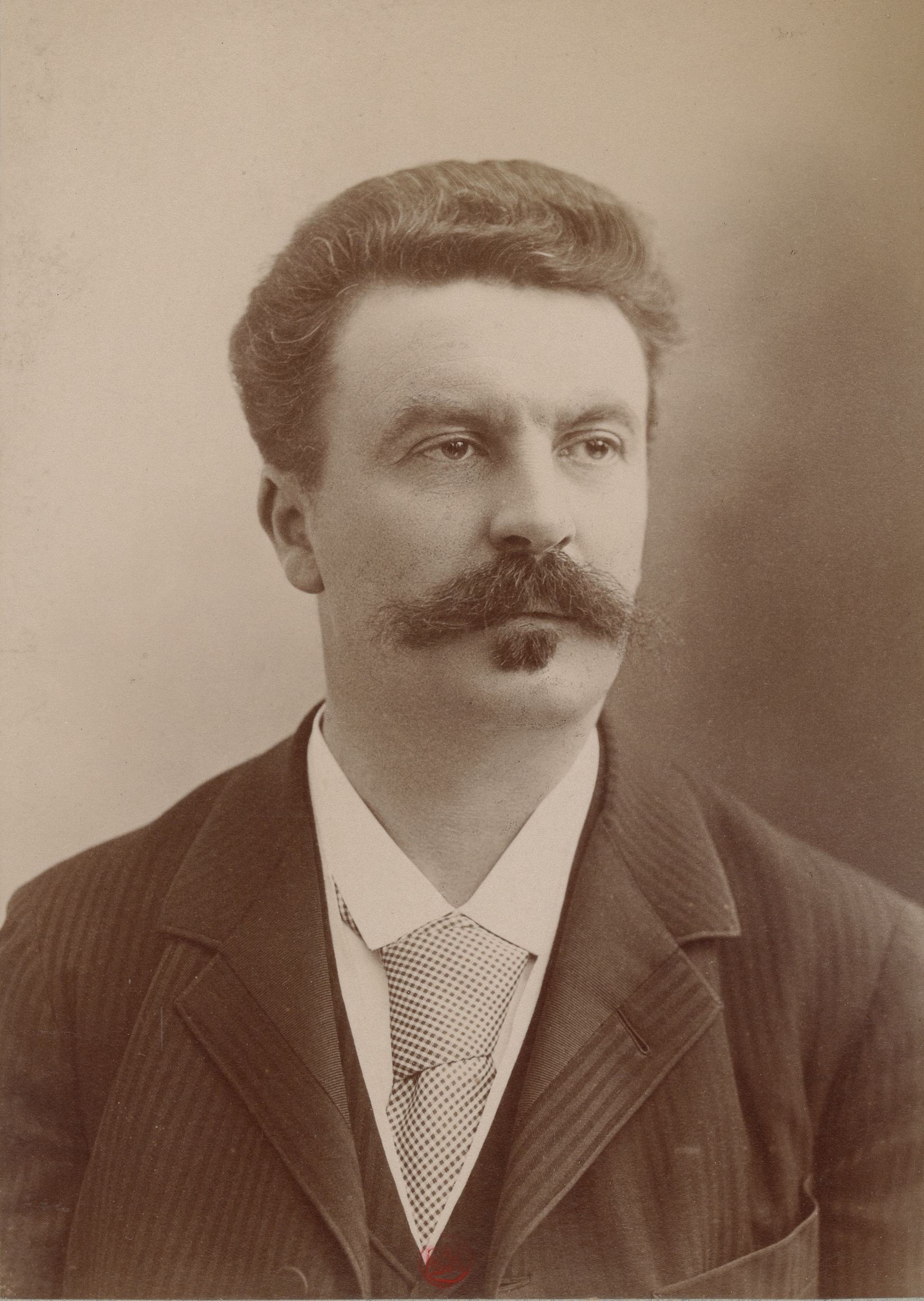
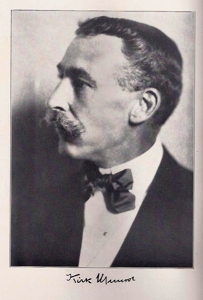
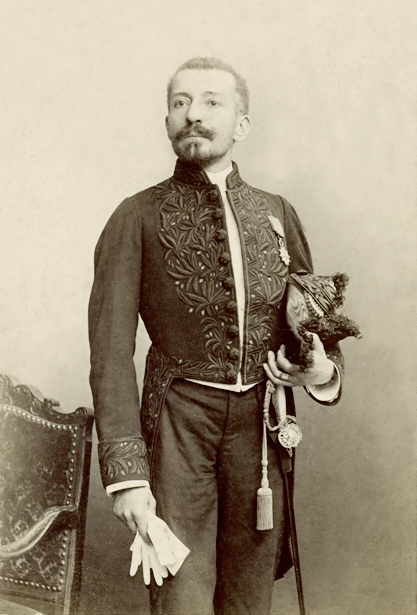
Jules Lemaître was a prominent French author and critic known for his contributions to the literary landscape of the late 19th and early 20th centuries. Born in 1853, he initially pursued a career in law before turning to literature, where he found his true calling. Lemaître became a notable figure in the literary circles of Paris, where he mingled with influential writers and artists of his time. His works often explored themes of realism and naturalism, reflecting the social and cultural dynamics of French society. Among his significant writings are 'Les Contemporains,' a series of essays that provided critical insight into the works of his contemporaries, and 'L'Art de la nouvelle,' which examined the short story form and its artistic merits. Lemaître's literary significance lies in his role as a bridge between the literary movements of his time, particularly in his advocacy for realism and his critiques of romanticism. He was known for his sharp wit and keen observations, which made his essays both engaging and thought-provoking. His influence extended beyond his own writing; he played a crucial role in promoting the works of other authors, thereby shaping the literary discourse of his era. Lemaître's legacy endures through his critical works and his contributions to the understanding of narrative forms, making him a noteworthy figure in the history of French literature.
Famous Quotes
View all 1 quotes“The royal manner which the dandy raises to the height of true royalty, the dandy has taken this from women, who alone seem naturally made for such a role. It is a somewhat by using the mane and the method of women that the dandy dominates. And this usurpation of femininity, he make women themselves approve of this... The dandy has something antinatural and androgynous about him, which is precisely ow he is able to endlessly seduce.””
Books from the author










Link to this page
Add a free, dofollow link to Lex on your blog, forum, syllabus, or reading list.

<a href="https://lex-books.com/author/jules-lemaître"><img src="https://lex-books.com/badges/read-on-lex.svg" alt="Jules Lemaître on Lex" width="160" height="40"></a>[](https://lex-books.com/author/jules-lemaître)[url=https://lex-books.com/author/jules-lemaître][img]https://lex-books.com/badges/read-on-lex.svg[/img][/url]Jules Lemaître on Lex: https://lex-books.com/author/jules-lemaître