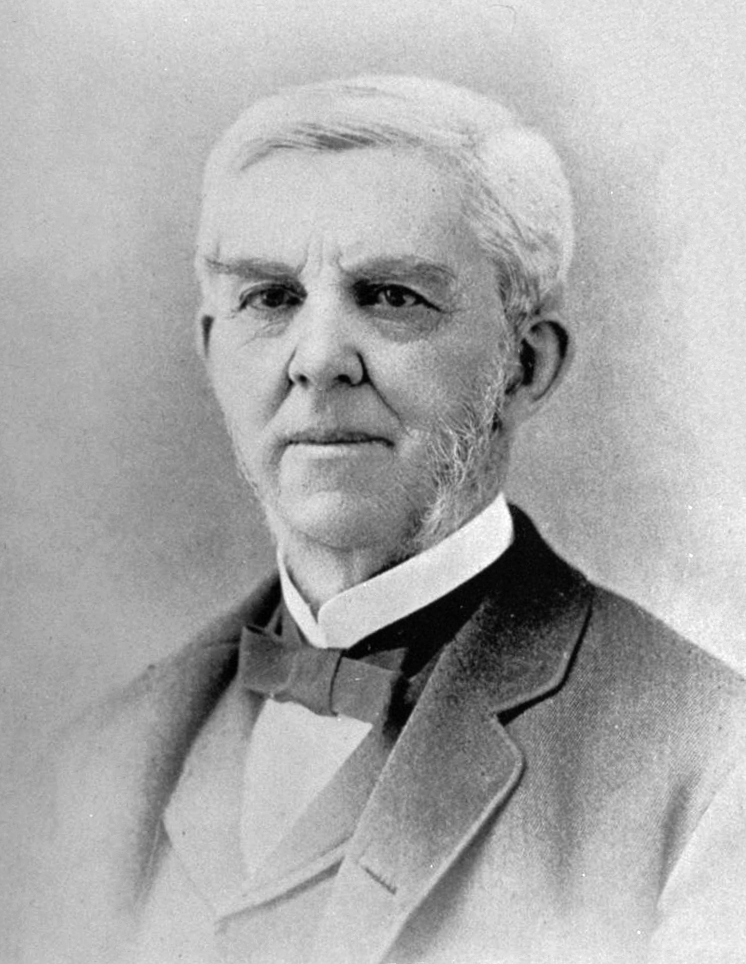
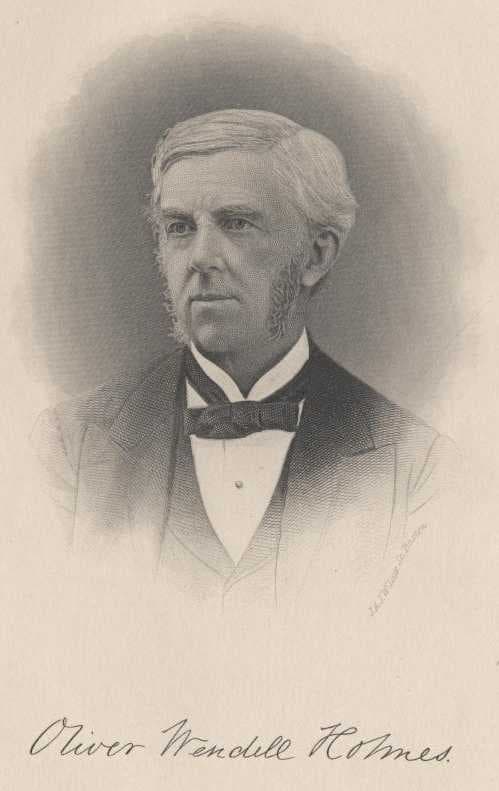
The Path of the Law
1897
Holmes shattered how we think about law. In this slim, explosive 1897 essay, the Supreme Court Justice argued that law is not a system of moral commands or logical principles, but a set of predictions about what courts will do. Duty becomes probability. The law is not what judges should believe, but what they will actually decide. This insight, that "the life of the law has not been logic: it has been experience," launched an entire school of legal thought and remains essential for understanding how law functions in the real world. Required reading for every law student for over a century, it reveals the gap between what law claims to be and what it actually does.
Editions
X-Ray
“The rational study of law is still to a large extent the study of history. History must be a part of the study, because without it we cannot know the precise scope of rules which it is our business to know.””
— Oliver Wendell Holmes
“The law is the witness and external deposit of our moral life. Its history is the history of the moral development of the race. The practice of it, in spite of popular jests, tends to make good citizens and good men.””
— Oliver Wendell Holmes
“The prophecies of what the courts will do in fact, and nothing more pretentious, are what I mean by the law.””
— Oliver Wendell Holmes
“Leaving the criminal law on one side, what is the difference between the liability under the mill acts or statutes authorizing a taking by eminent domain and the liability for what we call a wrongful conversion of property where restoration is out of the question. In both cases the party taking another man's property has to pay its fair value as assessed by a jury, and no more. What significance is there in calling one taking right and another wrong from the point of view of the law?””
— Oliver Wendell Holmes
“if one of two or more joint wrongdoers has to pay all the damages, he cannot recover contribution from his fellows.””
— Oliver Wendell Holmes
Link to this book
Add a free, dofollow link to Lex on your blog, forum, syllabus, or reading list.

<a href="https://lex-books.com/book/the-path-of-the-law-b6bdf7f5-cb1c-4597-924f-9b820d736e50"><img src="https://lex-books.com/badges/read-on-lex.svg" alt="Read The Path of the Law by Oliver Wendell Holmes free on Lex" width="160" height="40"></a>[](https://lex-books.com/book/the-path-of-the-law-b6bdf7f5-cb1c-4597-924f-9b820d736e50)[url=https://lex-books.com/book/the-path-of-the-law-b6bdf7f5-cb1c-4597-924f-9b820d736e50][img]https://lex-books.com/badges/read-on-lex.svg[/img][/url]Read The Path of the Law by Oliver Wendell Holmes free on Lex: https://lex-books.com/book/the-path-of-the-law-b6bdf7f5-cb1c-4597-924f-9b820d736e50Cite this book
Reading this edition for a paper or guide? Copy a citation.
Holmes, Oliver Wendell. The Path of the Law. Lex, lex-books.com/book/the-path-of-the-law-b6bdf7f5-cb1c-4597-924f-9b820d736e50.Holmes, O. W. (1897). The Path of the Law. Lex. https://lex-books.com/book/the-path-of-the-law-b6bdf7f5-cb1c-4597-924f-9b820d736e50Holmes, Oliver Wendell. The Path of the Law. Lex. https://lex-books.com/book/the-path-of-the-law-b6bdf7f5-cb1c-4597-924f-9b820d736e50.