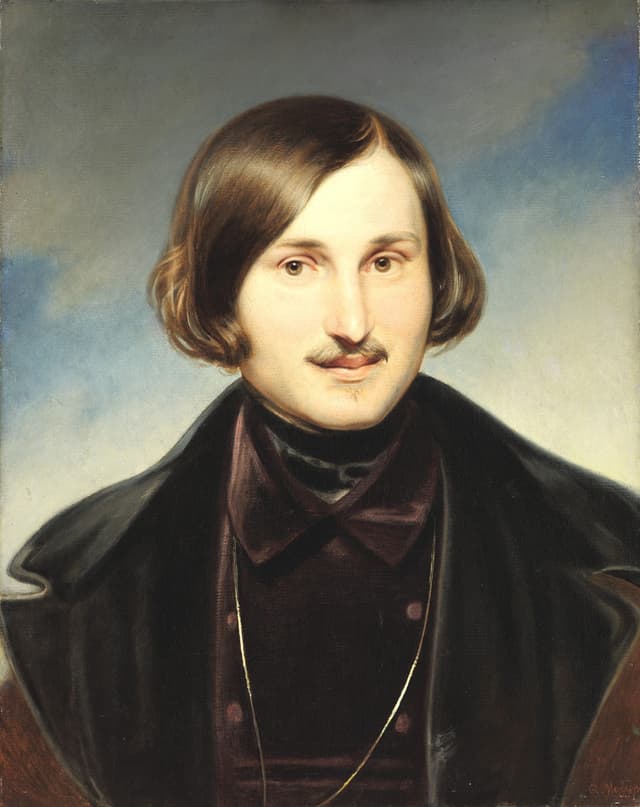
Nikolai Vasilevich Gogol
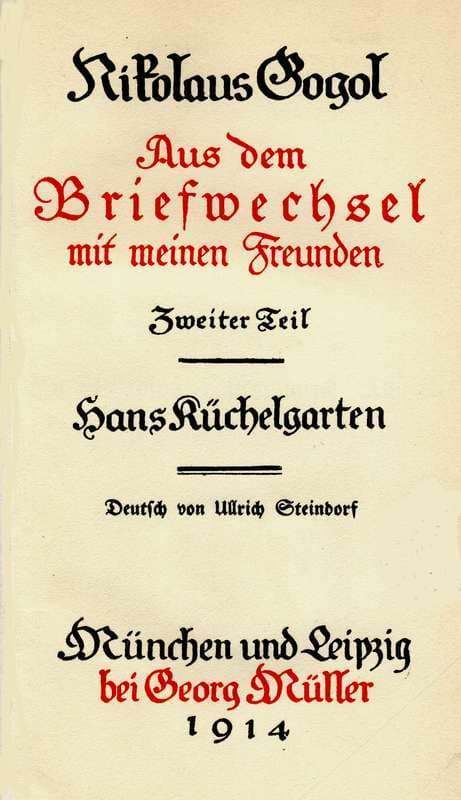
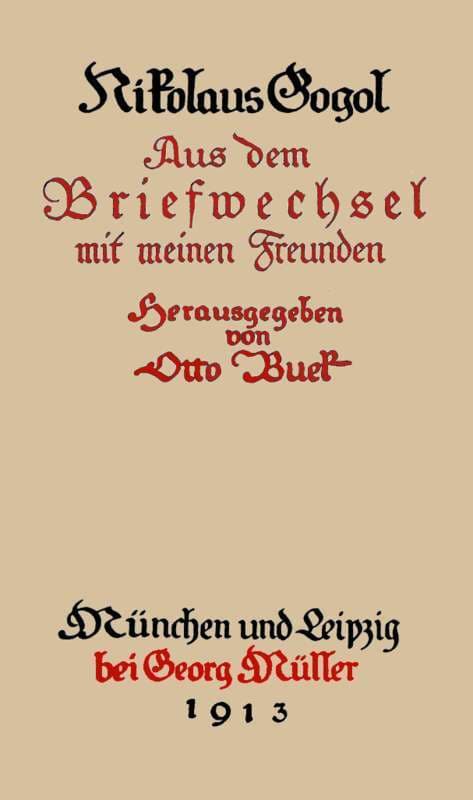
Nikolai Vasilyevich Gogol was a prominent Russian novelist, short-story writer, and playwright of Ukrainian descent, whose works are characterized by their use of the grotesque and elements of surrealism. Born in Ukraine, Gogol's early writings, such as 'Evenings on a Farm Near Dikanka,' drew heavily from his cultural heritage and folklore, establishing a unique voice that blended humor with deeper social commentary. His later works, including 'The Government Inspector' and 'Dead Souls,' satirized the political corruption of his time, revealing the absurdities of bureaucratic life in Russia. Despite his critical stance, Gogol maintained a complex relationship with the Russian elite, enjoying the patronage of Tsar Nicholas I. Gogol's literary significance extends beyond his own time, as he profoundly influenced a generation of writers and thinkers, including Fyodor Dostoevsky and Franz Kafka. His innovative narrative techniques, particularly the concept of defamiliarization, encouraged readers to perceive the ordinary in new and unsettling ways. Works like 'The Nose,' 'Viy,' and 'The Overcoat' showcase his ability to blend the bizarre with the mundane, leaving a lasting legacy that continues to resonate in literature. As Eugène-Melchior de Vogüé famously noted, Gogol's influence is so pervasive that many writers acknowledge they emerged from under his metaphorical overcoat, highlighting his foundational role in the development of modern literature.
Famous Quotes
View all 1 quotes“Так проводили жизнь два обитателя мирного уголка, которые нежданно, как из окошка, выглянули в конце нашей поэмы, выглянули для того, чтобы отвечать скромно на обвиненье со стороны некоторых горячих патриотов, до времени покойно занимающихся какой-нибудь философией или приращениями на счет сумм нежно любимого ими отечества, думающих не о том, чтобы не делать дурного, а о том, чтобы только не говорили, что они делают дурное. Но нет, не патриотизм и не первое чувство суть причины обвинений, другое скрывается под ними. К чему таить слово? Кто же, как не автор, должен сказать святую правду? Вы боитесь глубоко устремленного взора, вы страшитесь сами устремить на что-нибудь глубокий взор, вы любите скользнуть по всему недумающими глазами.””
Books from the author
![Home Life in Russia, Volumes 1 and 2[Dead Souls]](/_next/image?url=https%3A%2F%2Fd3b2n8gj62qnwr.cloudfront.net%2FCOVERS%2Fgutenberg_covers75k%2Febook-58070.png&w=3840&q=75)
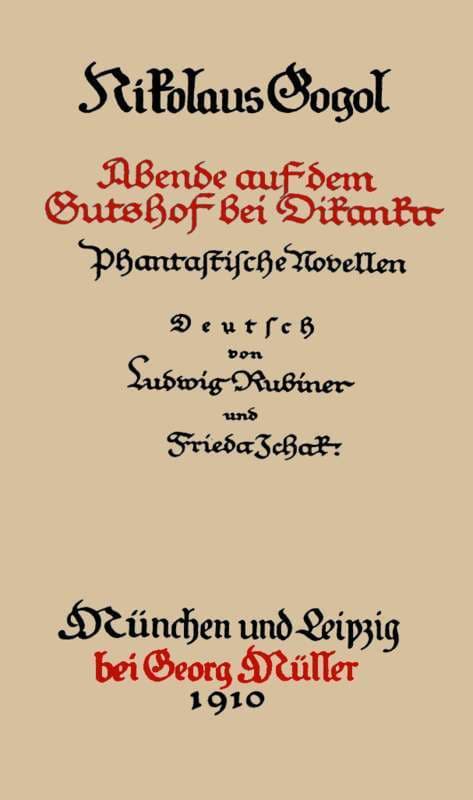
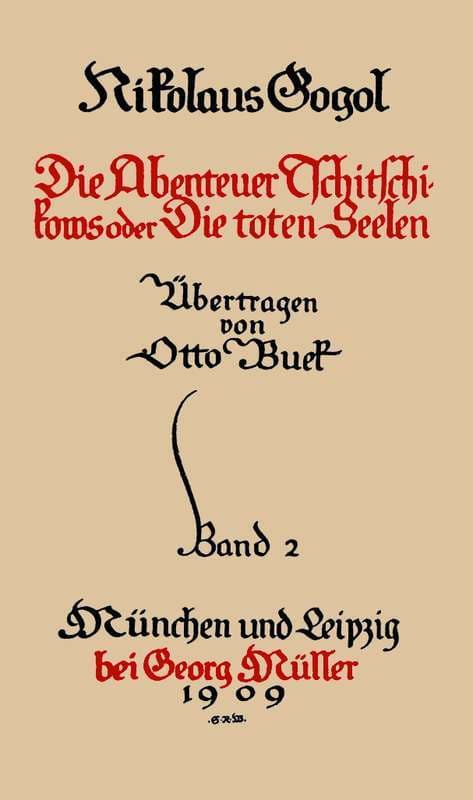
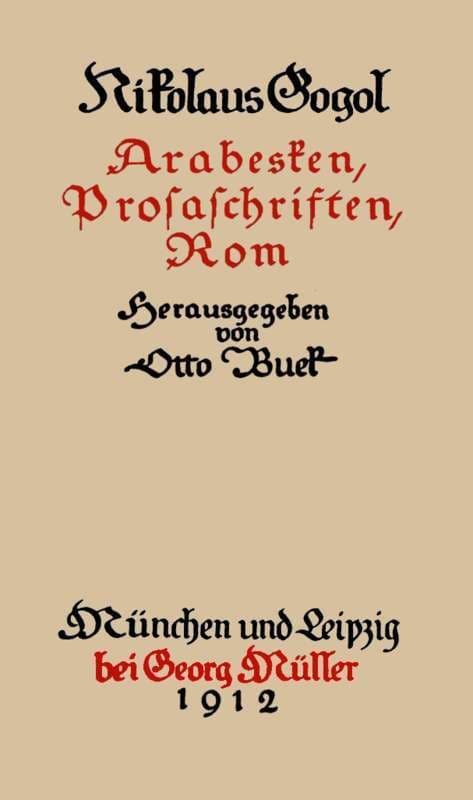
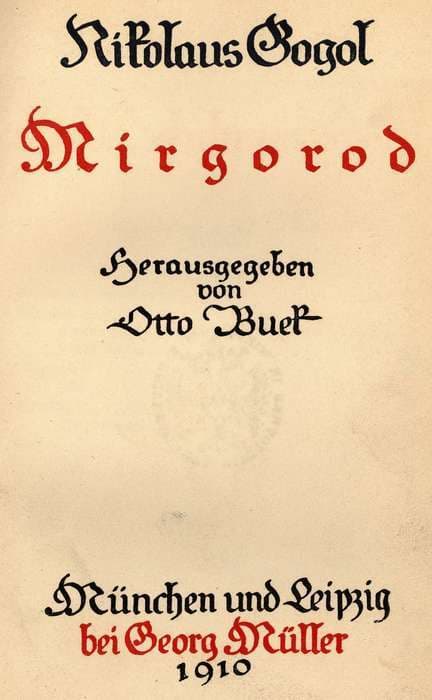


Link to this page
Add a free, dofollow link to Lex on your blog, forum, syllabus, or reading list.

<a href="https://lex-books.com/author/nikolai-vasilevich-gogol"><img src="https://lex-books.com/badges/read-on-lex.svg" alt="Nikolai Vasilevich Gogol on Lex" width="160" height="40"></a>[](https://lex-books.com/author/nikolai-vasilevich-gogol)[url=https://lex-books.com/author/nikolai-vasilevich-gogol][img]https://lex-books.com/badges/read-on-lex.svg[/img][/url]Nikolai Vasilevich Gogol on Lex: https://lex-books.com/author/nikolai-vasilevich-gogol