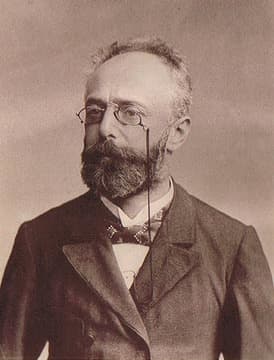
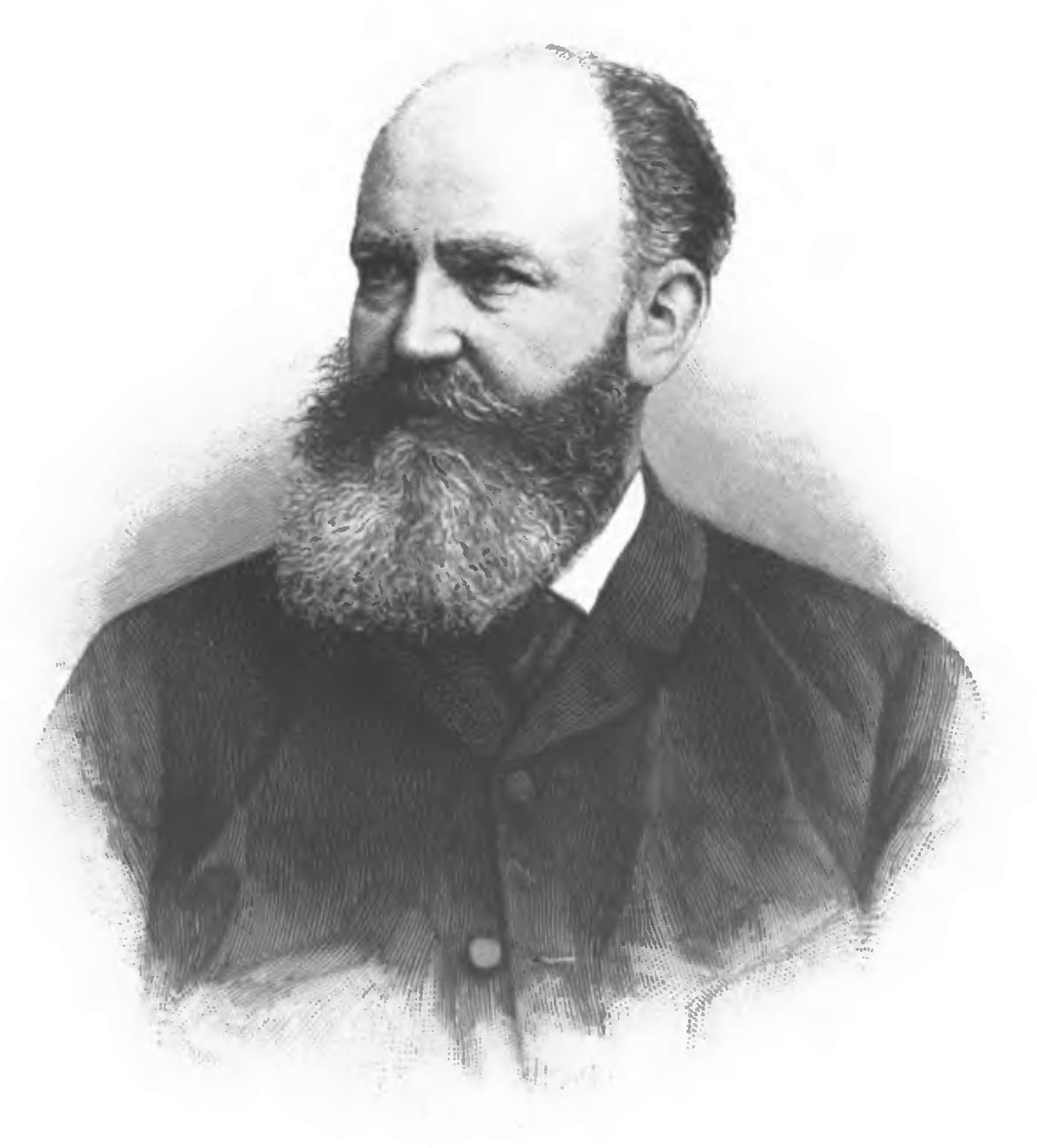
Theodor Hertzka
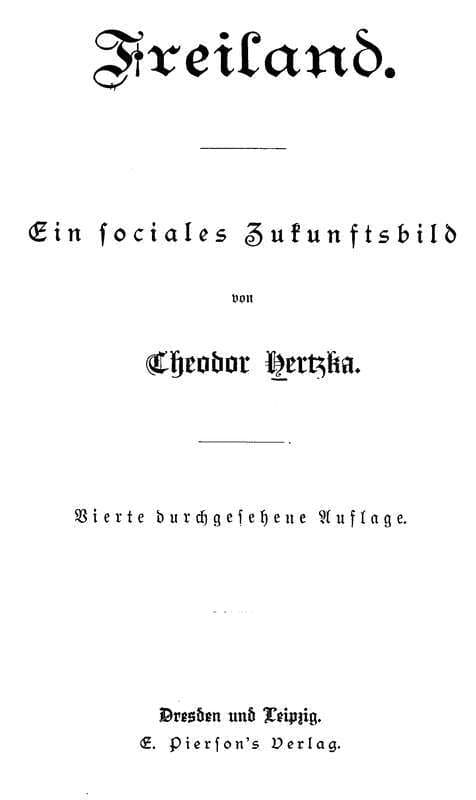
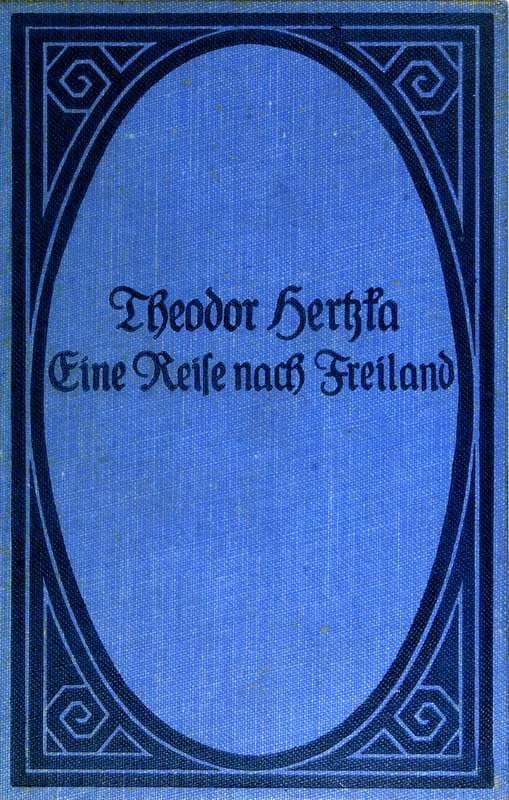
Theodor Hertzka was a Jewish-Hungarian-Austrian economist and journalist known for his innovative ideas on social reform and economic theory. He gained prominence with his influential work 'Freeland,' published in 1890, which presented a utopian vision of a society based on cooperative land ownership and self-governance. Hertzka's ideas were ahead of their time, advocating for a form of socialism that emphasized individual freedom and community responsibility, which resonated with the progressive movements of his era. In addition to 'Freeland,' Hertzka contributed to various journals and publications, where he explored themes of economic justice and social equity. His writings often reflected his deep concern for the plight of the working class and the need for systemic change in society. Despite being less well-known today, Hertzka's work laid the groundwork for later discussions on cooperative economics and social democracy, marking him as a significant figure in the intellectual landscape of the late 19th and early 20th centuries. His legacy continues to inspire those advocating for social reform and economic equity.
Books from the author



Link to this page
Add a free, dofollow link to Lex on your blog, forum, syllabus, or reading list.

<a href="https://lex-books.com/author/theodor-hertzka"><img src="https://lex-books.com/badges/read-on-lex.svg" alt="Theodor Hertzka on Lex" width="160" height="40"></a>[](https://lex-books.com/author/theodor-hertzka)[url=https://lex-books.com/author/theodor-hertzka][img]https://lex-books.com/badges/read-on-lex.svg[/img][/url]Theodor Hertzka on Lex: https://lex-books.com/author/theodor-hertzka