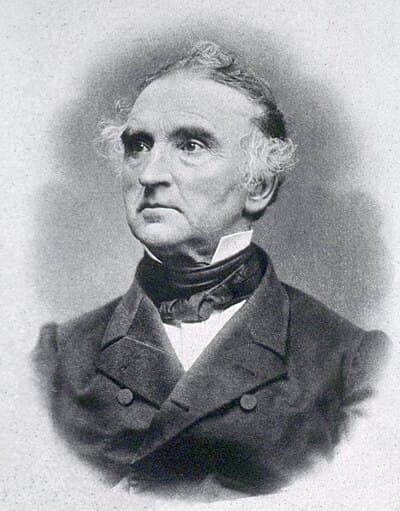
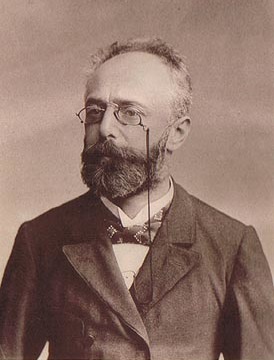
Justus Liebig
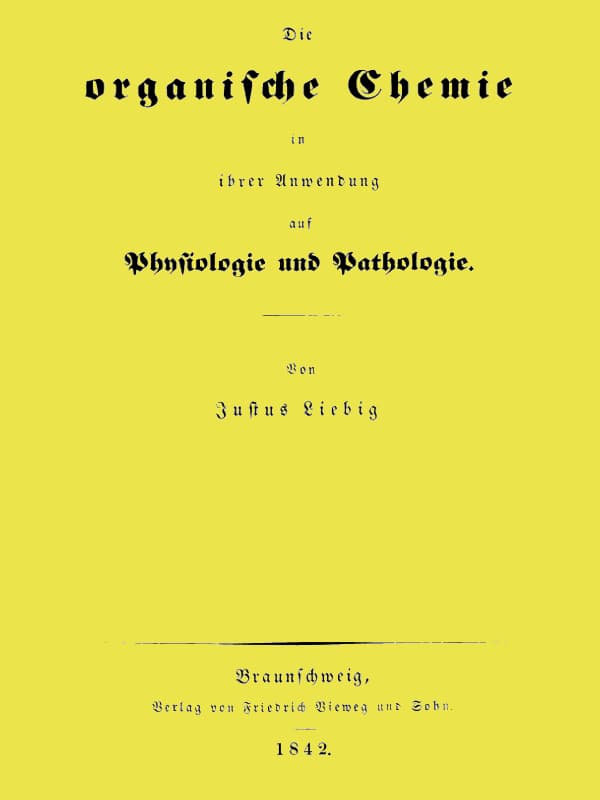
Justus Liebig was a pioneering German chemist whose work laid the foundations for modern organic chemistry and agricultural science. Born in Darmstadt, Liebig studied at the University of Giessen, where he developed a keen interest in chemistry. He became known for his innovative research methods and his ability to apply chemical principles to practical problems. His seminal work, "Organic Chemistry in Its Applications to Agriculture and Physiology," published in 1840, revolutionized the understanding of plant nutrition and soil chemistry, emphasizing the importance of nitrogen and other elements in crop production. Liebig's contributions extended beyond agriculture; he was also instrumental in the development of analytical chemistry and the use of chemical fertilizers, which significantly boosted agricultural yields and transformed farming practices worldwide. Liebig's influence extended into the realms of education and industry. He established the first modern laboratory for teaching chemistry at the University of Giessen, fostering a new generation of chemists. His work inspired numerous scientists and laid the groundwork for future advancements in both chemistry and biology. Liebig's legacy is evident in the continued relevance of his research in agricultural science and his role in shaping the scientific method in chemistry. His innovative spirit and commitment to applying science for the betterment of society have earned him a lasting place in the history of science.
Famous Quotes
View all 8 quotes“Chocolate is a perfect food, as wholesome as it is delicious, a beneficent restorer of exhausted power...it is the best friend of those engaged in literary pursuits.””
“If you want to become a chemist, you will have to ruin your health. If you don't ruin your health studying, you won't accomplish anything these days in chemistry.{}””
“did not discover bromine, rather bromine discovered .{.}””
Books from the author




Link to this page
Add a free, dofollow link to Lex on your blog, forum, syllabus, or reading list.

<a href="https://lex-books.com/author/justus-liebig"><img src="https://lex-books.com/badges/read-on-lex.svg" alt="Justus Liebig on Lex" width="160" height="40"></a>[](https://lex-books.com/author/justus-liebig)[url=https://lex-books.com/author/justus-liebig][img]https://lex-books.com/badges/read-on-lex.svg[/img][/url]Justus Liebig on Lex: https://lex-books.com/author/justus-liebig