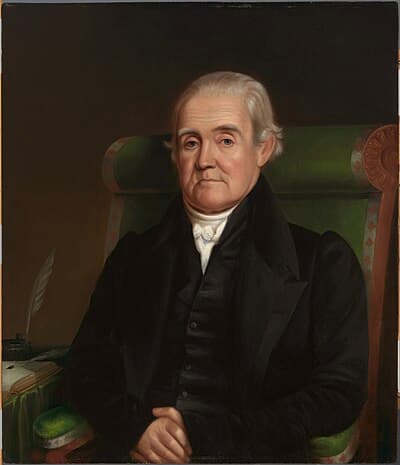
Noah Webster
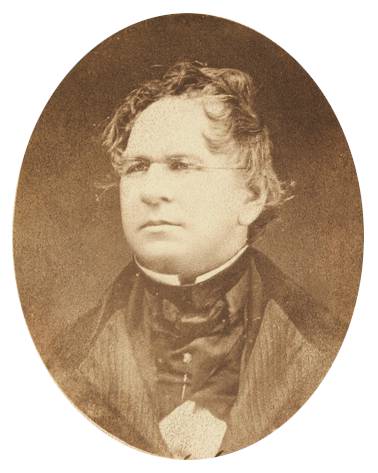
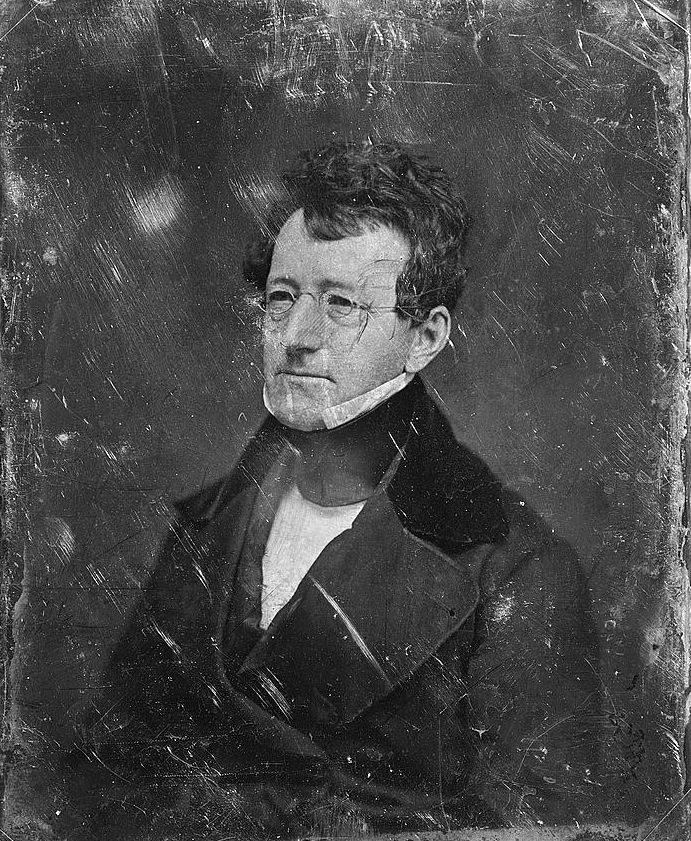
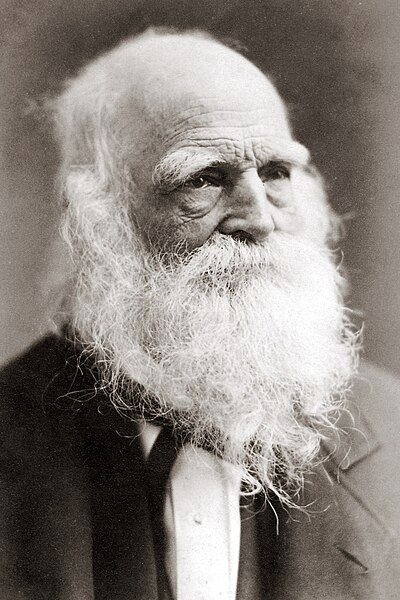
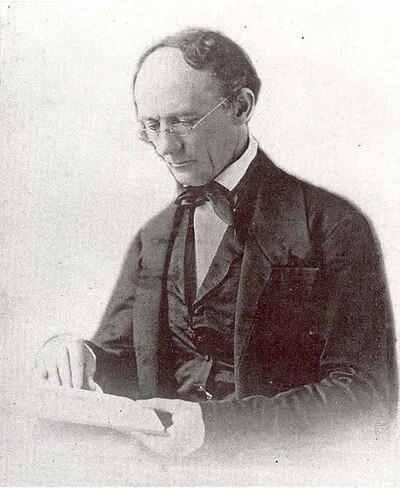
Noah Webster was an influential American lexicographer, educator, and political writer, often hailed as the 'Father of American Scholarship and Education.' Born in West Hartford, Connecticut, he graduated from Yale College in 1778 and initially pursued a career in law, though he found greater success in education. Webster authored the widely used 'Blue-Backed Speller' series, which played a crucial role in teaching American children to read and spell. His most significant contribution, however, was the publication of 'An American Dictionary of the English Language' in 1828, which laid the foundation for the modern Merriam-Webster dictionary and established a distinctly American approach to language and education. Webster's work extended beyond lexicography; he was a fervent supporter of the American Revolution and the ratification of the U.S. Constitution. His writings reflected a deep concern for the intellectual and moral foundations of American society, advocating for a national identity that diverged from European influences. Although he initially championed the abolition of slavery, his later disillusionment with the movement highlighted the complexities of his views. Through his educational reforms and advocacy for American nationalism, Webster left an indelible mark on the landscape of American education and language, shaping the way future generations would engage with English in the United States.
Famous Quotes
View all 3 quotes“The heart should be cultivated with more assiduity than the head.”
“In selecting men for office, let principle be your guide. Regard not the particular sect or denomination of the candidate - look to his character.”
“Unaffected modesty is the sweetest charm of female excellence, the richest gem in the diadem of her honor.”
Books from the author



Link to this page
Add a free, dofollow link to Lex on your blog, forum, syllabus, or reading list.

<a href="https://lex-books.com/author/noah-webster"><img src="https://lex-books.com/badges/read-on-lex.svg" alt="Noah Webster on Lex" width="160" height="40"></a>[](https://lex-books.com/author/noah-webster)[url=https://lex-books.com/author/noah-webster][img]https://lex-books.com/badges/read-on-lex.svg[/img][/url]Noah Webster on Lex: https://lex-books.com/author/noah-webster