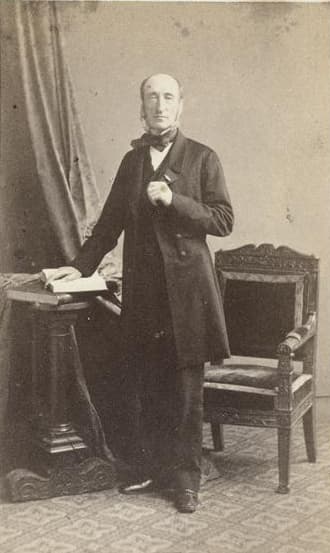
Michel Chevalier
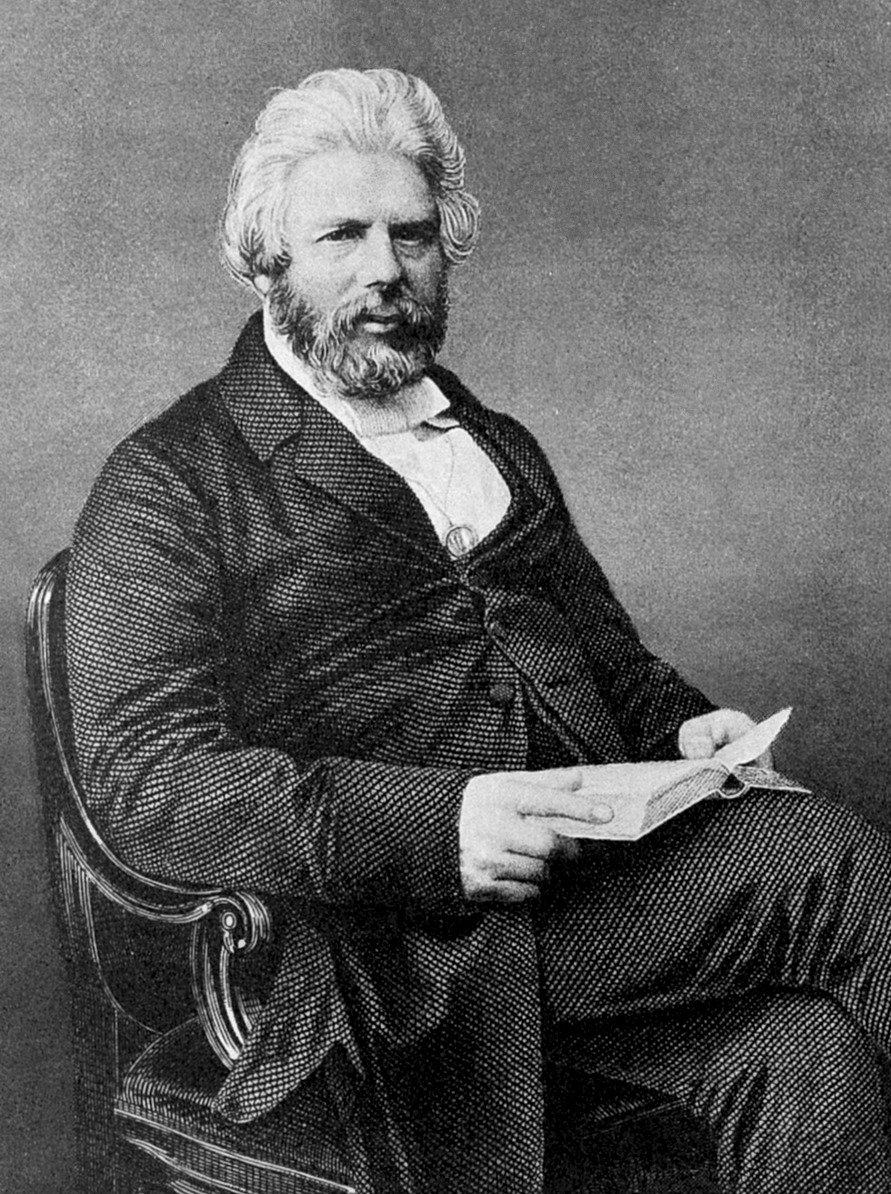
Michel Chevalier was a prominent French engineer, statesman, and economist known for his advocacy of free market principles during the 19th century. Born in 1806, he played a significant role in the development of infrastructure in France, particularly through his work on the Paris-Lyon railway, which was one of the first major rail projects in the country. Chevalier's engineering expertise was complemented by his keen interest in economics, leading him to become a vocal supporter of liberal economic policies that emphasized the importance of free trade and competition. In addition to his engineering accomplishments, Chevalier was a prolific writer and thinker whose works contributed to the discourse on economic theory and policy. His notable publications, including "De la France et de ses colonies" and "L'Industrie et le commerce," explored the relationship between industry, commerce, and national prosperity. Chevalier's ideas influenced contemporary economic thought and policy, advocating for modernization and industrialization in France. His legacy endures as a key figure in the evolution of liberal economic thought in the 19th century, reflecting the transformative changes of his time.
Famous Quotes
View all 2 quotes“Piękna struktura systemu feudalnego, tak pracowicie i drobiazgowo zbudowana przez historyków prawa, jest w wielu punktach tworem fantazji i nie wytrzymuje próby analizy, gdy się bliżej przyjrzeć konkretnym realiom życia codziennego.””
“Alexandre Nevski a d’ailleurs toutes les raisons de penser que les « Allemands », comme on appelle alors tout ce qui vient d’Occident, constituent un danger plus effrayant que les Tatars. Les croisés occupent les territoires qu’ils conquièrent, ce que ne font pas les Tatars ; il y bâtissent des forteresses, des villes, s’emparent des terres. Les croisés, les « chiens-chevaliers » comme les nommera Marx, convertissent au catholicisme les populations soumises. Là encore, ils se distinguent des Tatars, très tolérants sur le plan religieux.””
Books from the author



Link to this page
Add a free, dofollow link to Lex on your blog, forum, syllabus, or reading list.

<a href="https://lex-books.com/author/michel-chevalier"><img src="https://lex-books.com/badges/read-on-lex.svg" alt="Michel Chevalier on Lex" width="160" height="40"></a>[](https://lex-books.com/author/michel-chevalier)[url=https://lex-books.com/author/michel-chevalier][img]https://lex-books.com/badges/read-on-lex.svg[/img][/url]Michel Chevalier on Lex: https://lex-books.com/author/michel-chevalier