
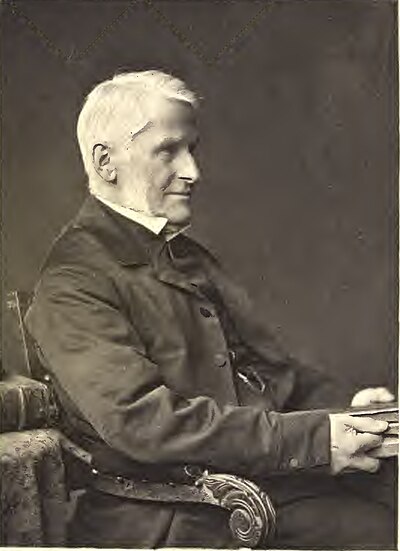
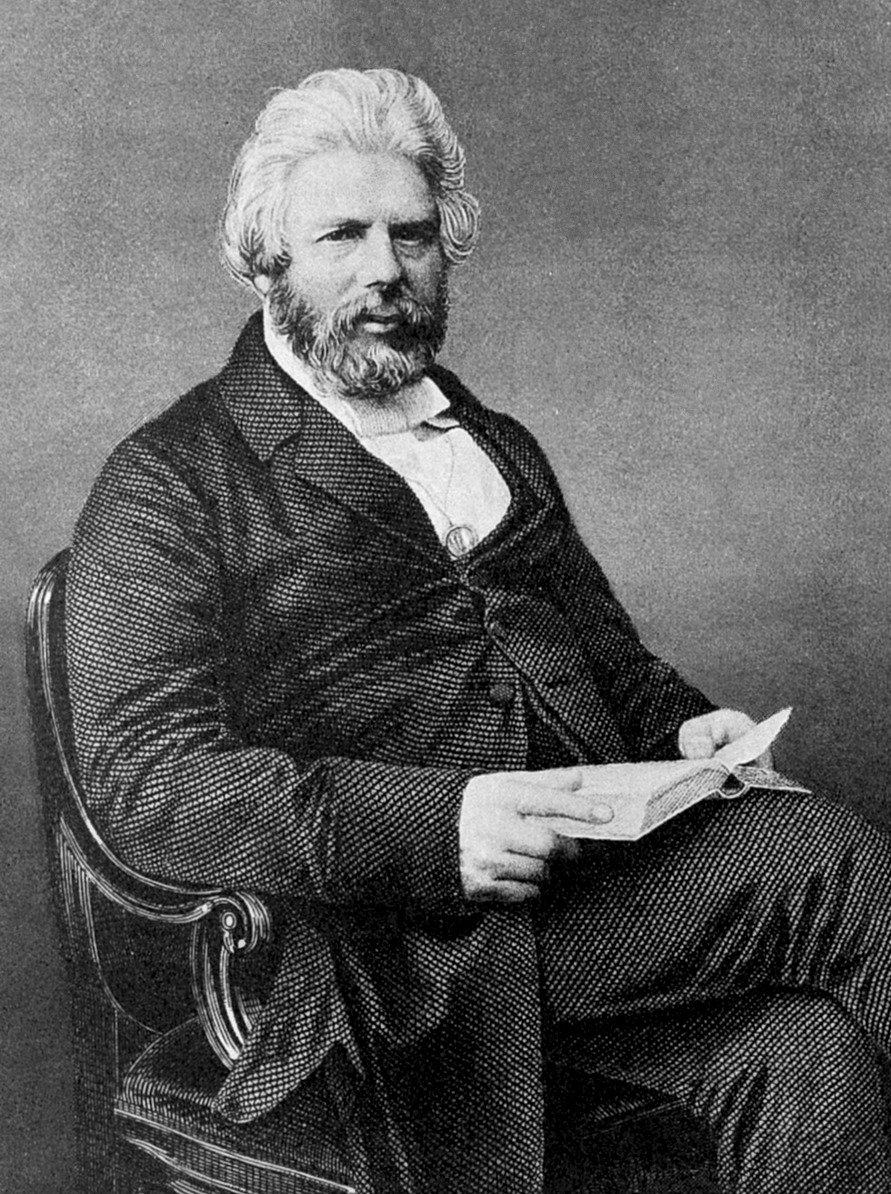
John Stoughton
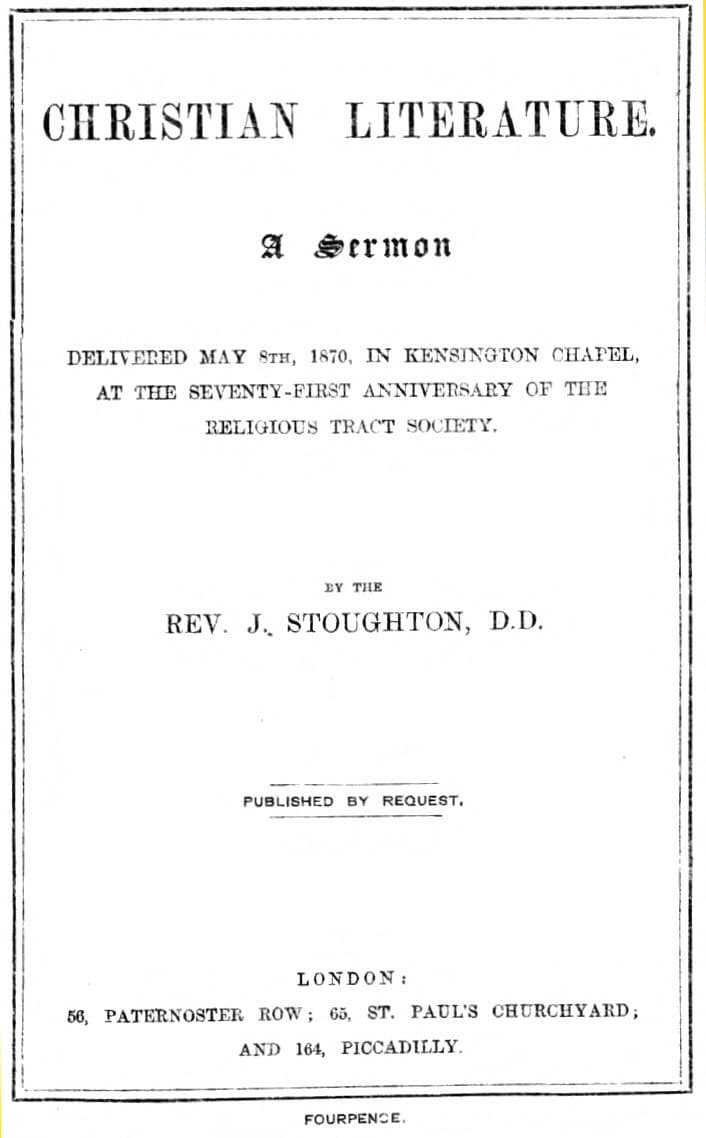
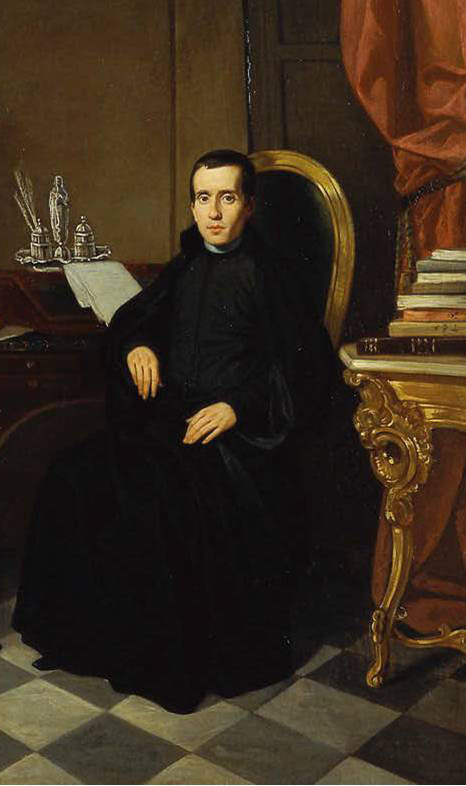
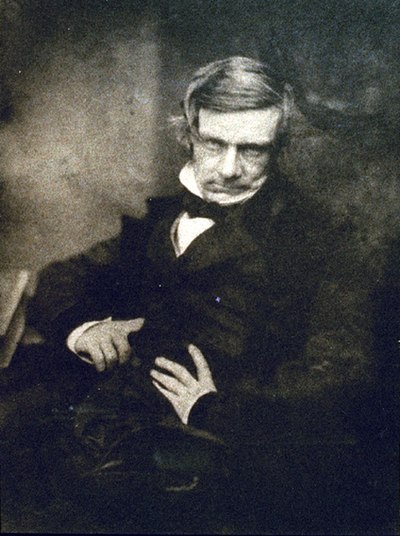
John Stoughton was an influential English Nonconformist minister and historian known for his significant contributions to religious literature and historical scholarship. He was deeply engaged in the religious discourse of his time, advocating for Nonconformist principles and emphasizing the importance of individual conscience in matters of faith. Stoughton’s work often reflected his commitment to social justice and reform, which resonated with the broader movements of his era. Among his notable works are 'The History of Religion in England' and 'The English Puritans', where he meticulously chronicled the evolution of religious thought and practice in England. His writings not only provided a comprehensive overview of Nonconformist history but also offered insights into the cultural and social dynamics of 17th-century England. Stoughton’s scholarship was characterized by a blend of rigorous historical analysis and a passionate advocacy for the values of Nonconformity, making him a key figure in the study of English religious history. Stoughton’s legacy endures through his extensive writings, which continue to be referenced by scholars and students of religious history. His ability to articulate the significance of Nonconformist traditions has ensured that his work remains relevant in discussions about the development of modern religious thought and the role of dissent in shaping societal values.
Famous Quotes
View all 1 quotes“Mo. 2. (April) 13.] A negro maid, servant to Mr. Stoughton of Dorchester, being well approved by divers years’ experience, for sound knowledge and true godliness, was received into the church and baptized.””
Books from the author
![Ecclesiastical History of England, Volume 4—the Church of the Restoration [Part 2]](/_next/image?url=https%3A%2F%2Fd3b2n8gj62qnwr.cloudfront.net%2FCOVERS%2Fgutenberg_covers75k%2Febook-67413.png&w=3840&q=75)






Link to this page
Add a free, dofollow link to Lex on your blog, forum, syllabus, or reading list.

<a href="https://lex-books.com/author/john-stoughton"><img src="https://lex-books.com/badges/read-on-lex.svg" alt="John Stoughton on Lex" width="160" height="40"></a>[](https://lex-books.com/author/john-stoughton)[url=https://lex-books.com/author/john-stoughton][img]https://lex-books.com/badges/read-on-lex.svg[/img][/url]John Stoughton on Lex: https://lex-books.com/author/john-stoughton