Lex

Browse

GenresShelvesPremiumBlog

Company

AboutJobsPartnersSell on LexAffiliates

Audio

Lex StudioVoicesFirst chapter freeAudiobook pricingAudiobook samplesAudiobook guidesAudio blog

Resources

DocsInvite FriendsFAQ

Legal

Terms of ServicePrivacy Policygeneral@lex-books.com+1 951-551-2243WhatsApp (international)

© 2026 LexBooks, Inc. All rights reserved.

Michael Wirth

Famous Quotes

View all 6 quotes

“Louis Wirth made no bones about his suspicion of the groups that were traditionally known as “ethnic,” ic., the recent immigrants from Southern and Eastern Europe. Like Stalin, his mentor on the nationalities issue, Wirth considered ethnics as a fifth column which could not be trusted to serve the interests of the ruling class. Those interests became national security issues once that elite succeeded in maneuvering America into war. In this he shared the political views of the psychological warfare establishment as well as the ethnic prejudices which undergirded them. The purpose of psychological warfare as it was resurrected at the University of Chicago in the late ’30s was ultimately ethnic.The WASP elite used their advanced communications techniques to prevent ethnic groups in America from communicating with their countries of origin but also to disrupt communications among the members of those groups in the United States as well. “At heart modern psychological warfare has been a tool for managing empire,” writes Christopher Simpson, “It’s primary utility has been its ability to suppress or distort unauthorized communication among subject peoples, including domestic U.S. dissenters who channeled the wisdom or morality of imperial policies.””

The Slaughter of Cities: Urban Renewal as Ethnic Cleansing

“The United States could not win the war if blacks continued as sharecroppers down South. The South was not an important area either politically or economically as far as the internationalists were concerned. (“The white South,” Myrdal wrote, “is itself a minority and a national problem.”) It was important only as a source of much-needed labor, at a time when most white southerners concurred because they no longer needed them to chop or harvest cotton and considered migration a simple solution to their biggest social problem. The foundations which did the thinking for the internationalist ruling class quickly realized that that flow of labor into the factories of the industrial North was impeded less by the system of political segregation in the South than by what they would eventually term the de-facto housing segregation in the North, which meant, in effect, the existence of residential patterns based on ethnic neighborhoods. The logistics problem facing Louis Wirth and his colleagues in the psychological-warfare establishment was not so much how to move the black up from the South”

The Slaughter of Cities: Urban Renewal as Ethnic Cleansing

“The fact that virtually all of the nation’s new housing was built in the white, de-ethnicized suburbs during this period of time meant that the only real area of expansion for black housing was housing already inhabited by “whites,” which is to say ethnics living in the cities. By forcing the emptying of ethnic neighborhoods, Louis Wirth’s system killed two birds with one stone: it opened up new areas for black migration and at the same time it broke up the suspect ethnic neighborhoods by driving their inhabitants to the suburbs, where they were assimilated. Solving the race problem in housing meant breaking up those neighborhoods and making them available to racial minorities who were not welcome in the neighborhood precisely because of their ethnicity.At some point in the period under discussion, it became obvious that “integration” was nothing more than an unattainable ideal or a meaningless fiction. The system of social engineering that was erected in this country after the war needed that fiction as justification for a housing policy which was ultimately segregationist in intent. The system involved allowing ethnic neighborhoods, “areas now inhabited by whites” to “be made available for Negroes.” The dispossessed white ethnics would then be driven to the suburbs where they were “Americanized” according to class”

The Slaughter of Cities: Urban Renewal as Ethnic Cleansing

Books from the author
right arrow

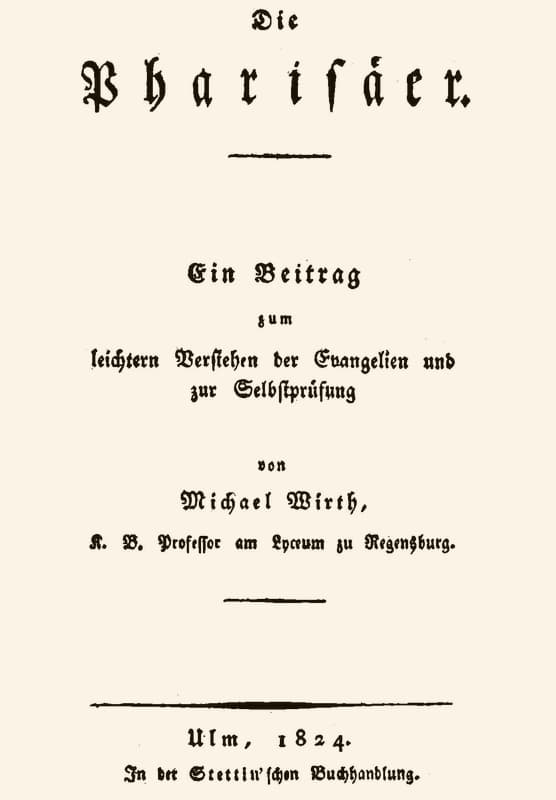
DiePharisäereinBeitrag ZumLeichern...

Michael Wirth

Die Pharisäerein Beitrag Zum Leichern Verstehen Der Evangelien Und Zur Selbstprüfung

More authors like this

right arrow
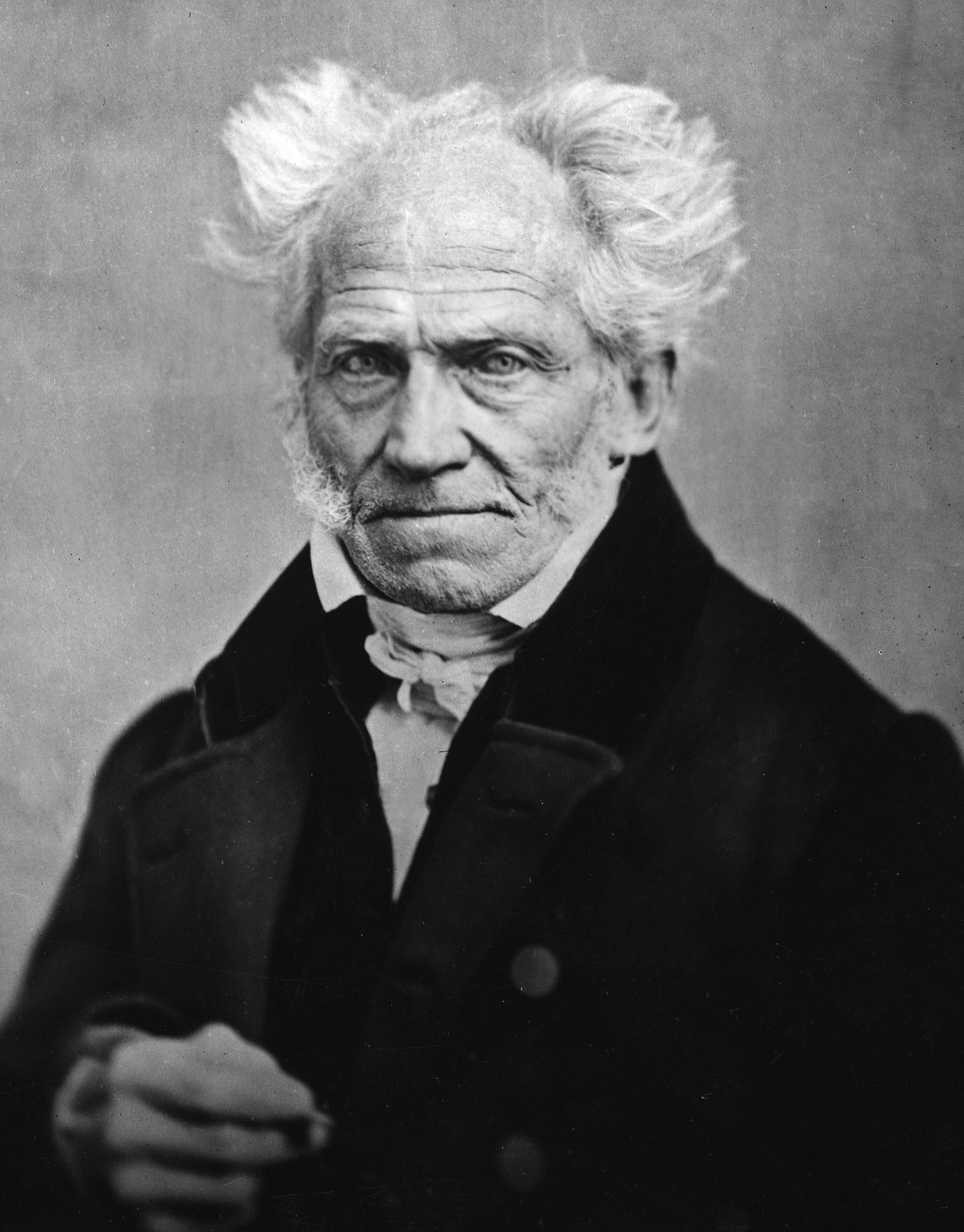
Arthur Schopenhauer
Arthur Schopenhauer
1788-1860
J. Church
J. Church
1780-1825
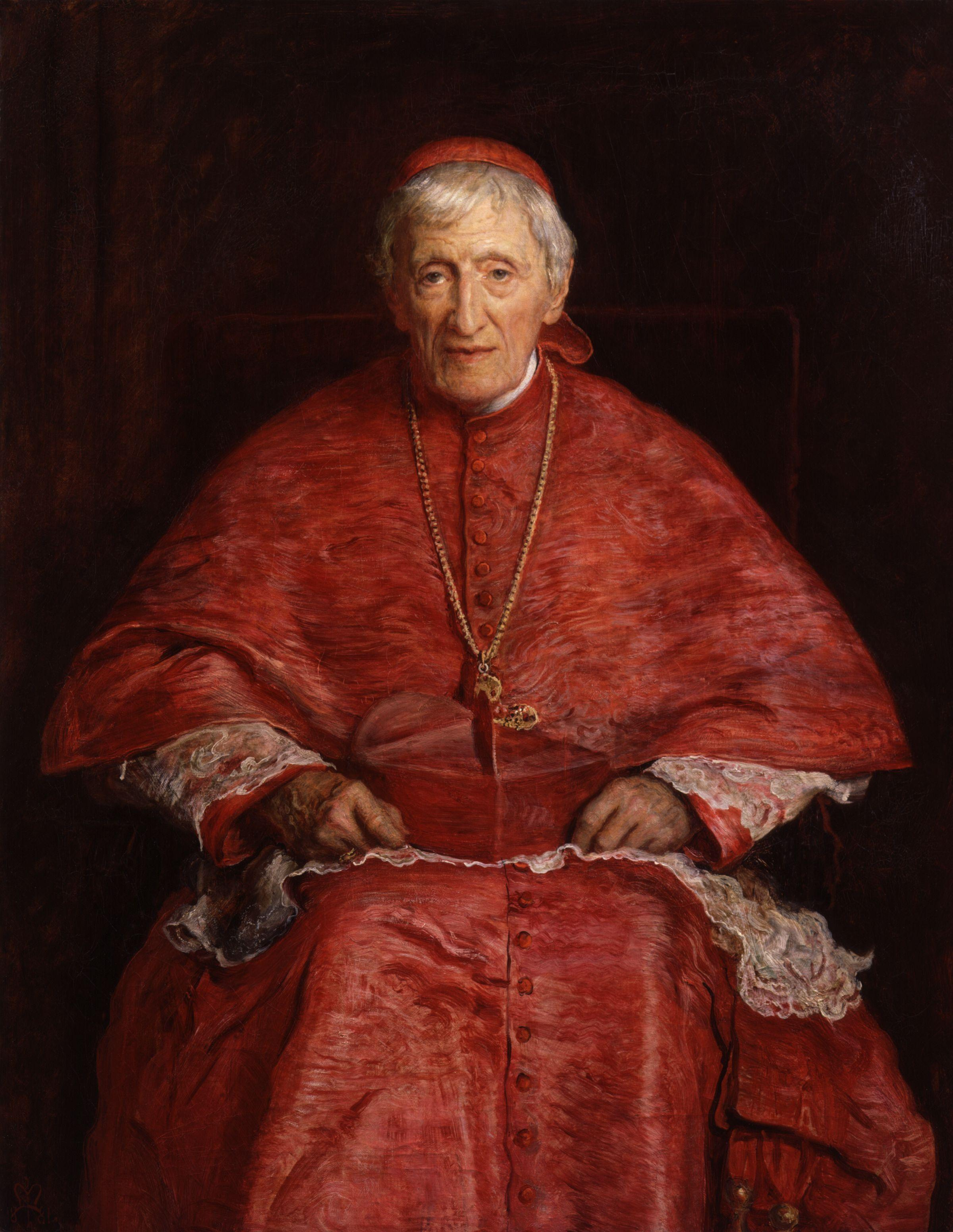
John Henry Newman
John Henry Newman
1801-1890
George Jacob Holyoake
1817-1906
Mary Baker Eddy
Mary Baker Eddy
1821-1910
F. Max Müller
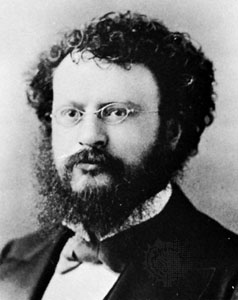
F. Max Müller
1823-1900
Walter Richard Cassels
1826-1907
Andrew Murray
Andrew Murray
1828-1917
H. P. Blavatsky
H. P. Blavatsky
1831-1891
Charles Bradlaugh
Charles Bradlaugh
1833-1891
Robert Green Ingersoll
1833-1899
Alexander Whyte
Alexander Whyte
1836-1921
Dwight Lyman Moody
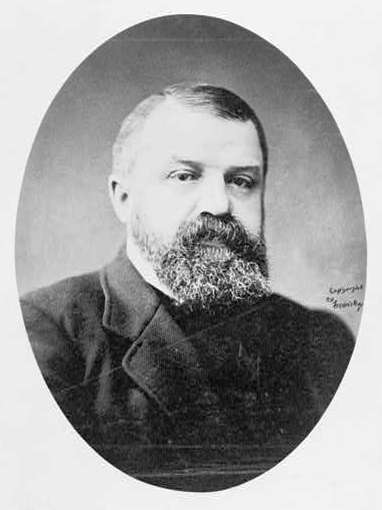
Dwight Lyman Moody
1837-1899
John Fiske
John Fiske
1842-1901
Annie Besant
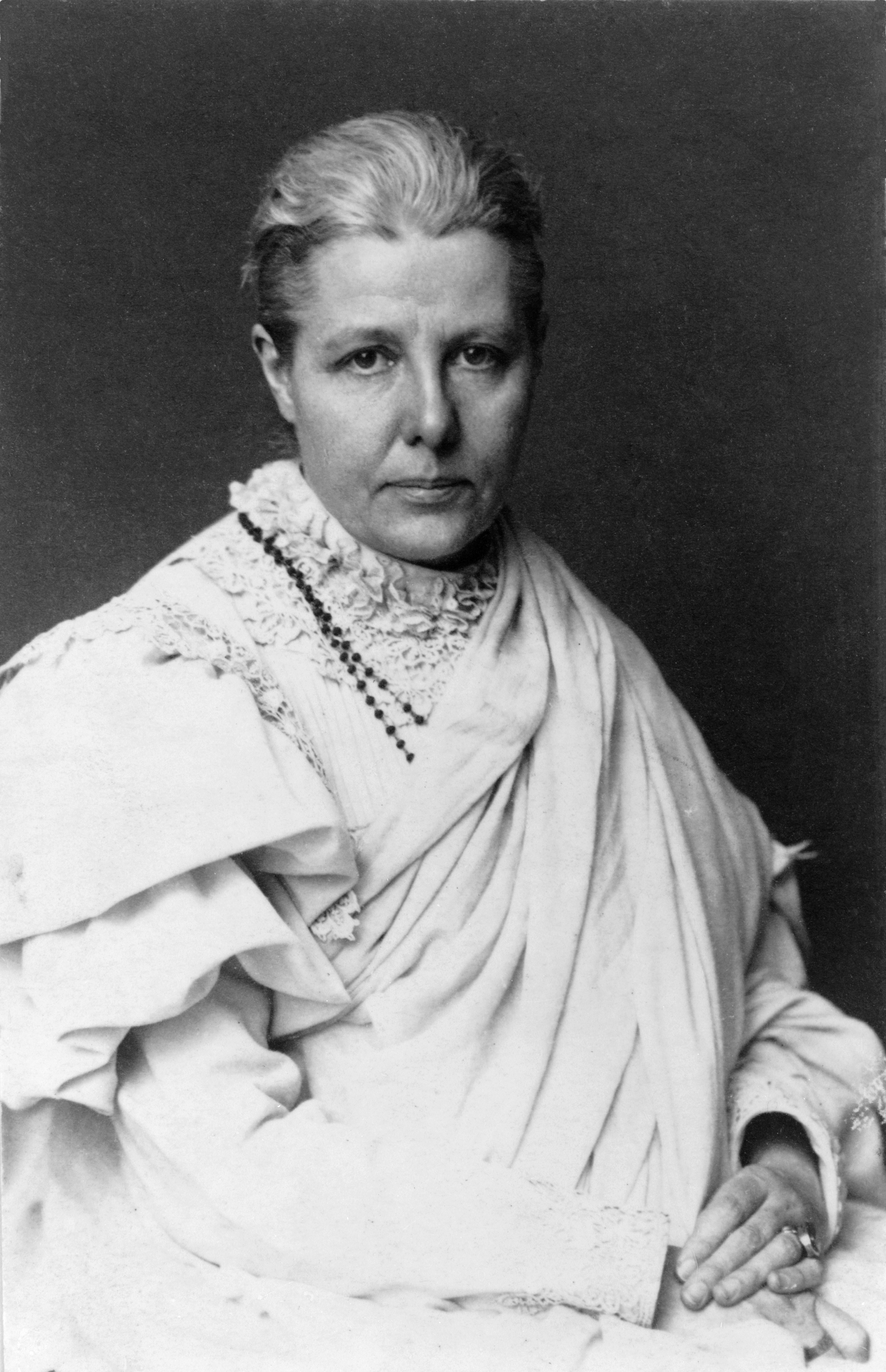
Annie Besant
1847-1933
Paul Henri Thiry, baron d' Holbach
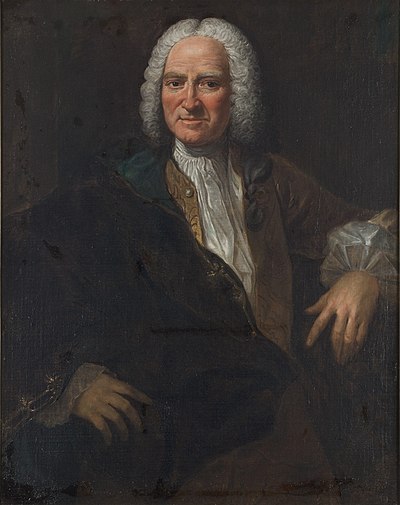
1723-1789

Link to this page

Add a free, dofollow link to Lex on your blog, forum, syllabus, or reading list.

Michael Wirth on Lex
HTML
<a href="https://lex-books.com/author/michael-wirth"><img src="https://lex-books.com/badges/read-on-lex.svg" alt="Michael Wirth on Lex" width="160" height="40"></a>
Markdown
[![Michael Wirth on Lex](https://lex-books.com/badges/read-on-lex.svg)](https://lex-books.com/author/michael-wirth)
BBCode
[url=https://lex-books.com/author/michael-wirth][img]https://lex-books.com/badges/read-on-lex.svg[/img][/url]
Plain link
Michael Wirth on Lex: https://lex-books.com/author/michael-wirth